

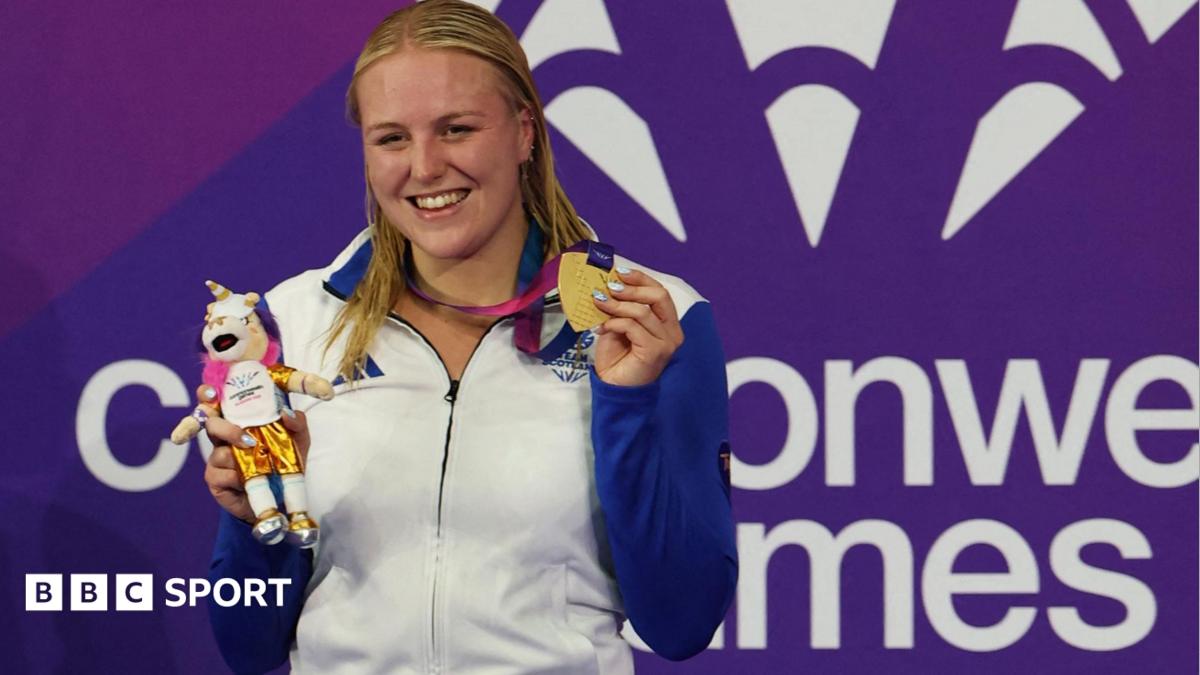
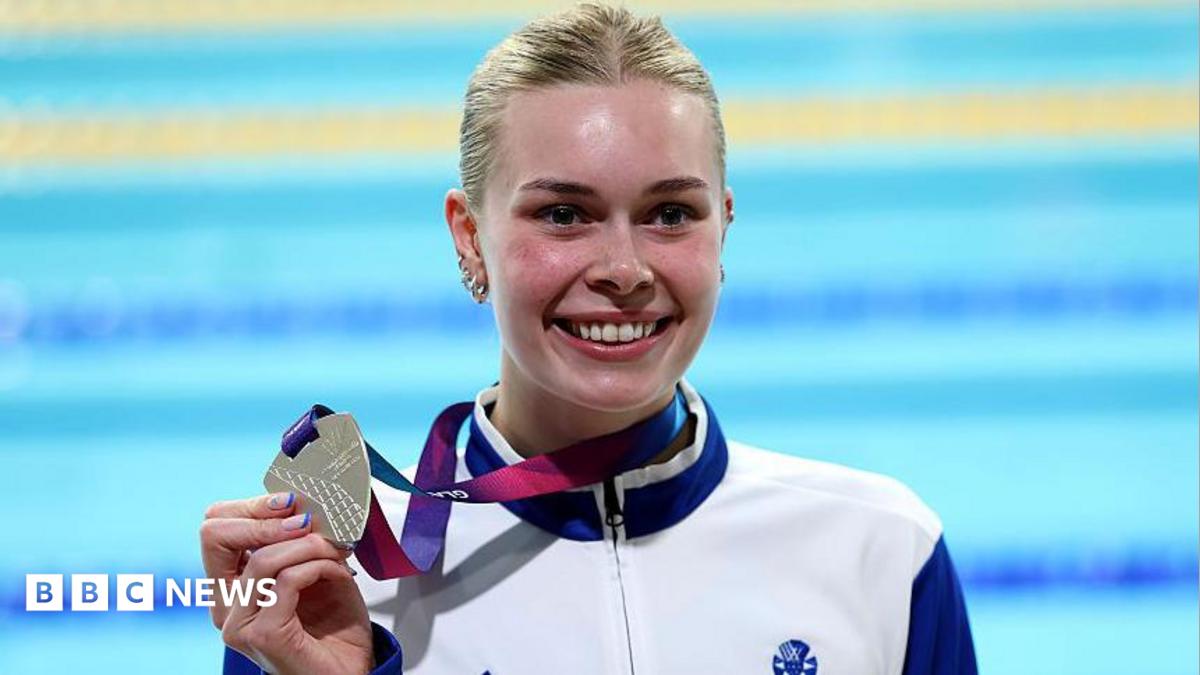
Yet 12 weeks later, Rogers was back in the pool doing rehab. And by summer 2024 she was in Paris winning Paralympic gold. But perhaps the most remarkable thing of all is that she is quicker now than she was pre-accident.
“I never in a million years thought that I could be faster,” Rogers, who is unable to straighten her right arm, tells BBC Sport. “Yes, it looks a bit different and there is definitely an impairment there. But I’ve worked harder, I’m fitter, I’m stronger.
“My message is just ‘don’t let anyone tell you what you can and can’t do’. We’re all different. We’ve all got our own stuff. But I think anything is totally doable if you put your mind to it.”
Not many Para-athletes have done what Rogers is about to do.
It was last year that she resolved to put her “big girl pants on” and act upon a notion she’d had for a while to test where she was in the 200m fly. And the first time she did swim it, she realised she was only just a fraction shy of her pre-accident best.
With that, her mind was made up. She spoke to the selectors and it was agreed that, as long as three other athletes did not post fastest times, she could compete at the Commonwealths. They didn’t, and Rogers was in.
“I found out a couple of weeks ago and I’ve been so, so excited ever since,” said the Edinburgh University student, for whom making the final would be a huge success.
“There’s no pressure. I think it’s such a privilege to have the opportunity to stand up there and and to show other people with impairments that, no matter what you are told, and no matter what gets thrown at you, like there’s a way through it.
“We quite often get told we can’t. And this is my way of proving that we can.”
Leave a Reply