

Welcome to From the Politics Desk, a daily newsletter that brings you the NBC News Politics team’s latest reporting and analysis from the White House, Capitol Hill and the campaign trail.
Subscribe to read this story ad-free
Get unlimited access to ad-free articles and exclusive content.

In today’s edition, Jonathan Allen explores the delicate balance Republicans are attempting to strike for the midterms. Plus, Sahil Kapur digs into how Democrats have adopted a more confrontational attitude toward the GOP over time.
Sign up to receive this newsletter in your inbox every weekday here.
— Adam Wollner
Trump presents a midterm dilemma for Republicans
Analysis by Jonathan Allen
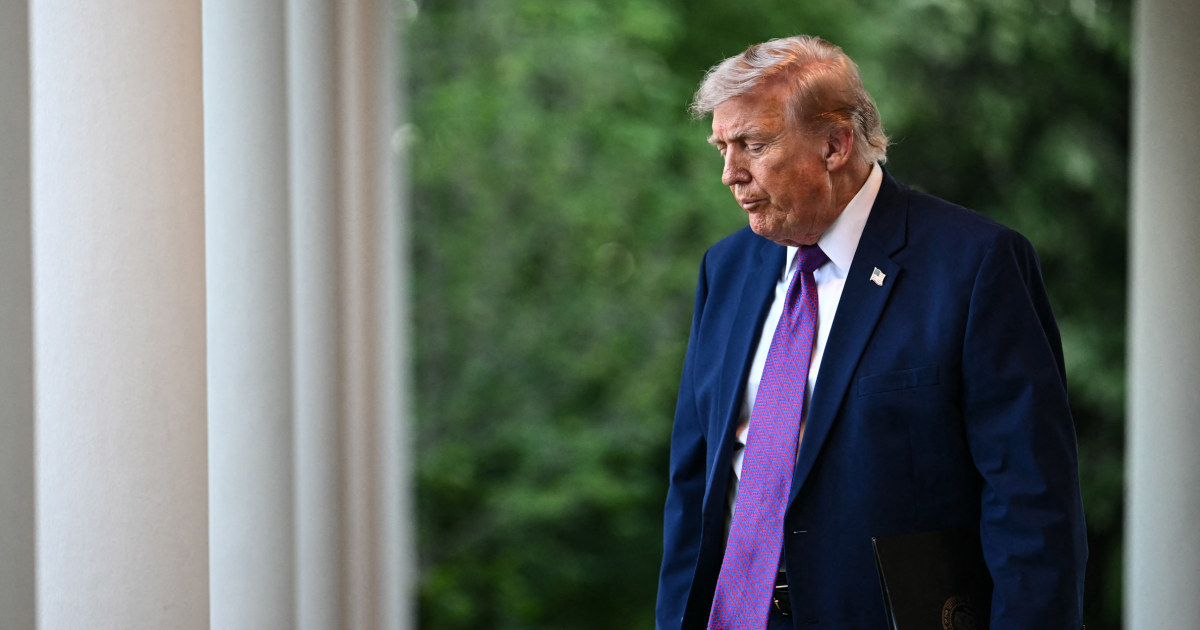
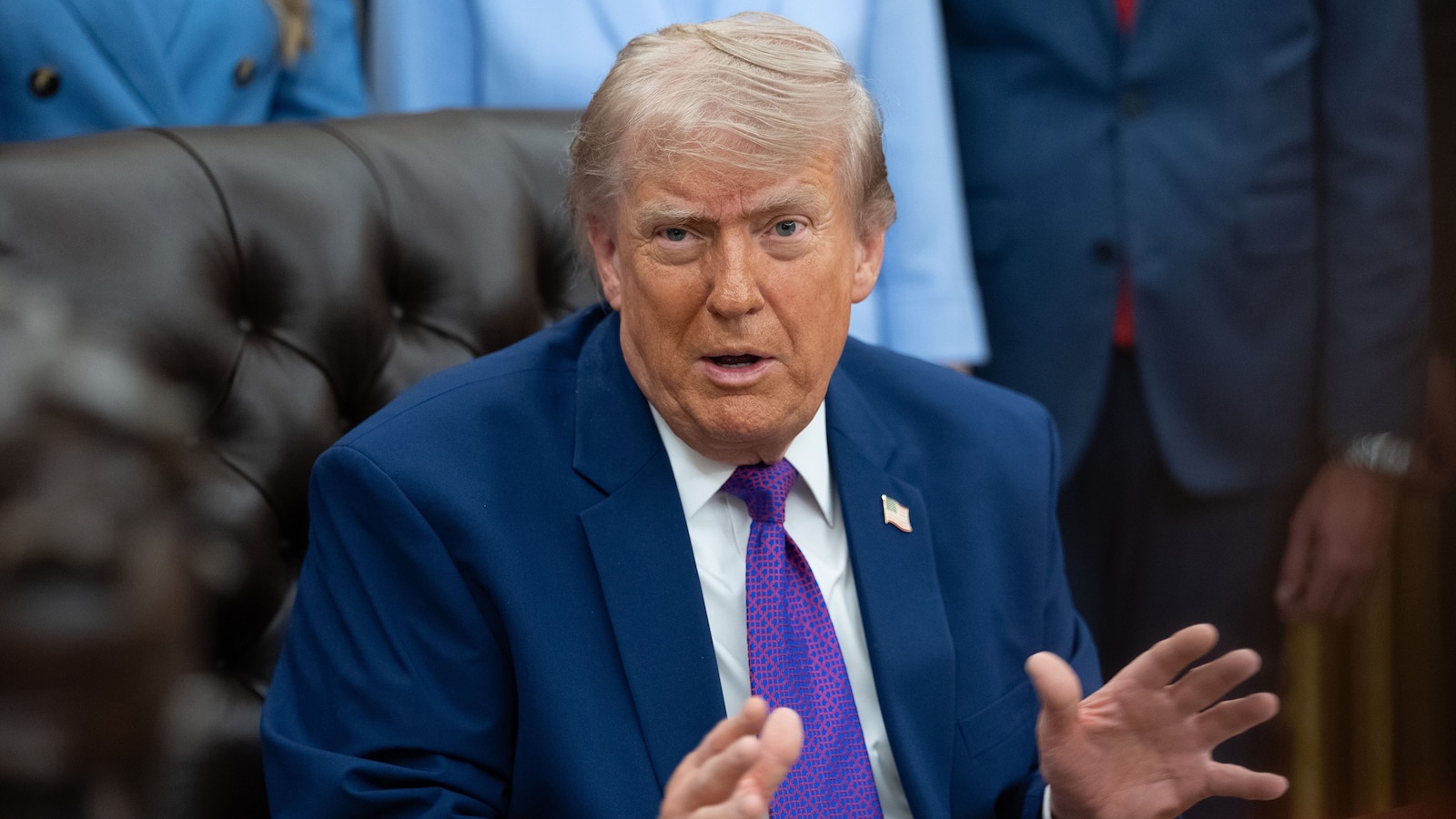
On this, President Donald Trump and Democratic leaders seem to agree: the midterm elections will be a referendum on his performance in office.
“I am on the ballot, and my voters love me,” Trump recently told NBC News, metaphorically referring to the shadow he promises to cast when voters go to the polls this fall.
That puts a squeeze on congressional Republicans, who are trying to hold their narrow House and Senate majorities. Trump’s approval ratings have dived like a Paul Skenes “splinker” because Americans are upset about the economy and the war with Iran.
The fear for Republican candidates in swing districts and states is that they can’t win with Trump and they can’t win without him. They want his endorsement, his money and, at least in some cases, his physical presence on the campaign trail. They need him to energize base GOP voters, but they know he’s turning off the crucial set of independent voters.
The dynamic isn’t a new one: popular presidents are traditionally in high demand on the campaign trail; unpopular presidents have to pick their spots. In 2006, President George W. Bush, like Trump, had approval ratings under the 40% mark and had deployed troops abroad for a war in the Middle East that many Americans came to view as counterproductive to U.S. interests.
Bush raised money for the GOP but was treated as a pariah in swing districts and states. Republicans lost both chambers of Congress. In 2014, President Barack Obama and Democrats followed a similar arc, getting clobbered in the midterms.
In part because of the lessons of those election cycles, in part because Republicans fear upsetting Trump and, in larger measure, because hiding him won’t limit the damage, the party’s candidates in close races this year may be more willing to call on the president to make campaign visits.
“The thinking has evolved over time,” explained one GOP consultant. “The calculus is he’s essential for base-motivation and you’re going to get tagged with being too close to him anyway.”
But the decisions are going to be “district dependent,” said a second Republican consultant who agreed with the first that political wisdom about the risks and benefits of presidential visits has changed. The second consultant said it makes sense for Trump to deploy to any district or state that leans Republicans or is a pure toss-up. On the other hand, this person said, it would be a mistake to send Trump to battlegrounds where Democrats hold an edge.
Republican officials say that Trump will be active on the campaign trail. If his approval ratings don’t improve, Democrats may be willing to pay for his travel.
Read more on Trump’s midterm role →
Seven years after Biden predicted a GOP ‘epiphany’ over Trump, Democrats are moving on
By Sahil Kapur
Seven years ago, on the campaign trail in New Hampshire, Joe Biden boldly proclaimed that Republicans would have an “epiphany” after they lost the 2020 election — they would move on from President Donald Trump and work cooperatively with Democrats.
Many Democrats bought into it then. But after Trump stormed back into the White House with a popular-vote win and an Electoral College thumping four years later, Democratic voters are abandoning that vision in favor of a more combative style of politics.
“Every elected official who believed that has either retired, lost or is about to lose,” said Democratic strategist Rebecca Katz, who named her firm “Fight Agency” after the GOP’s sweep in the 2024 election.Democratic voter attitudes have rapidly shifted to seeking a confrontational posture toward the GOP — similar to what Republican voters had demanded of their party after Barack Obama won the 2008 election.
In March 2025, NBC News polling found that 65% of self-identified Democrats wanted their representatives in Congress to “stick to their positions even if this means not getting things done,” while just 32% said they wanted to “make compromises with President Trump to gain consensus on legislation.”
That was a dramatic inversion from April 2017, around the same point in Trump’s first term, when NBC News polling showed 59% of Democrats wanted their leaders to compromise, while 33% wanted them to hold firm in their positions at risk of gridlock.
As far back as 2011, Democratic voters had preferred a posture of compromise over combat. Trump’s second-term victory triggered something new within the base that didn’t exist under Presidents Biden or Obama.
It’s a far cry from former first lady Michelle Obama’s famous quote, “When they go low, we go high.” In fact, House Minority Leader Hakeem Jeffries, D-N.Y., quotes himself on the front page of his website saying, “When they go low, we strike back.”
Read more →
🗞️ Today’s other top stories
- 🤝 U.S.-China summit: Chinese President Xi Jinping warned of “clashes and even conflicts” with the U.S. over Taiwan, cautioning Trump that tensions over the Beijing-claimed island could jeopardize ties between the world’s two biggest economies. In an interview with NBC News, Secretary of State Marco Rubio said the Iran war was also discussed, and that both parties agree the Strait of Hormuz should not be militarized.
- 💰 Pay day: Senators unanimously approved a measure to withhold their own pay during federal government shutdowns. Read more →
- 🕘 Final countdown: Members of the “Make America Healthy Again” movement are working to take down Sen. Bill Cassidy, R-La., ahead of Saturday’s primary. Read more →
- 🛣️ On the trail: Vice President JD Vance said that GOP Sen. Susan Collins is a “good fit” for Maine even though he sometimes gets “frustrated” with her for not being as partisan as he would like. Read more →
- 🗳️ Vote watch: The FBI tried to interview one of the top elections officials in Milwaukee County, Wisconsin, according to the county clerk’s office. Read more →
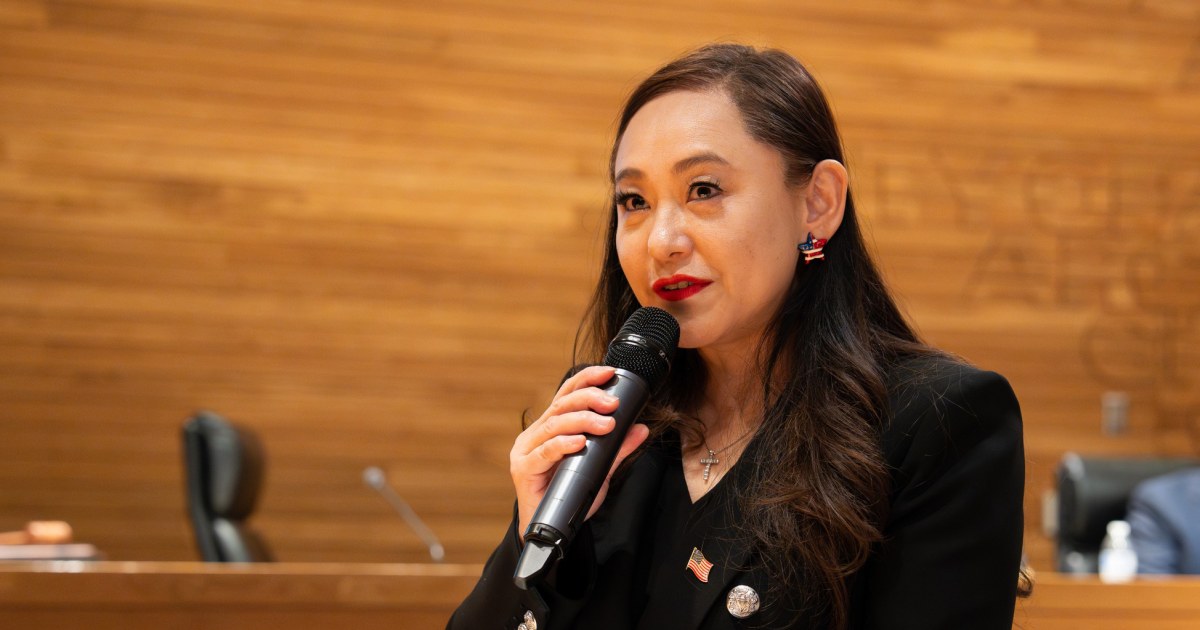
- ☑️ The call is in: Political organizer Denise Powell has won the Democratic nomination in Nebraska’s 2nd District, NBC News projects, emerging from a tough primary fight in one of her party’s top opportunities to flip a swing seat this year. Read more →
That’s all From the Politics Desk for now. Today’s newsletter was compiled by Adam Wollner.
If you have feedback — likes or dislikes — email us at politicsnewsletter@nbcuni.com
And if you’re a fan, please share with everyone and anyone. They can sign up here.





Leave a Reply