

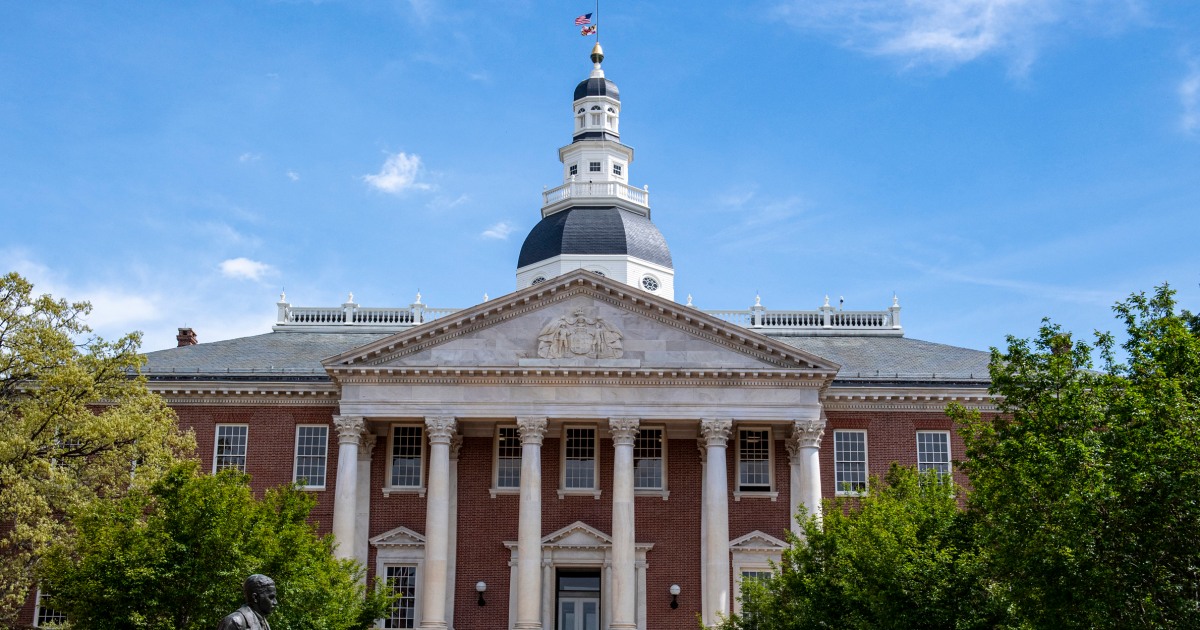
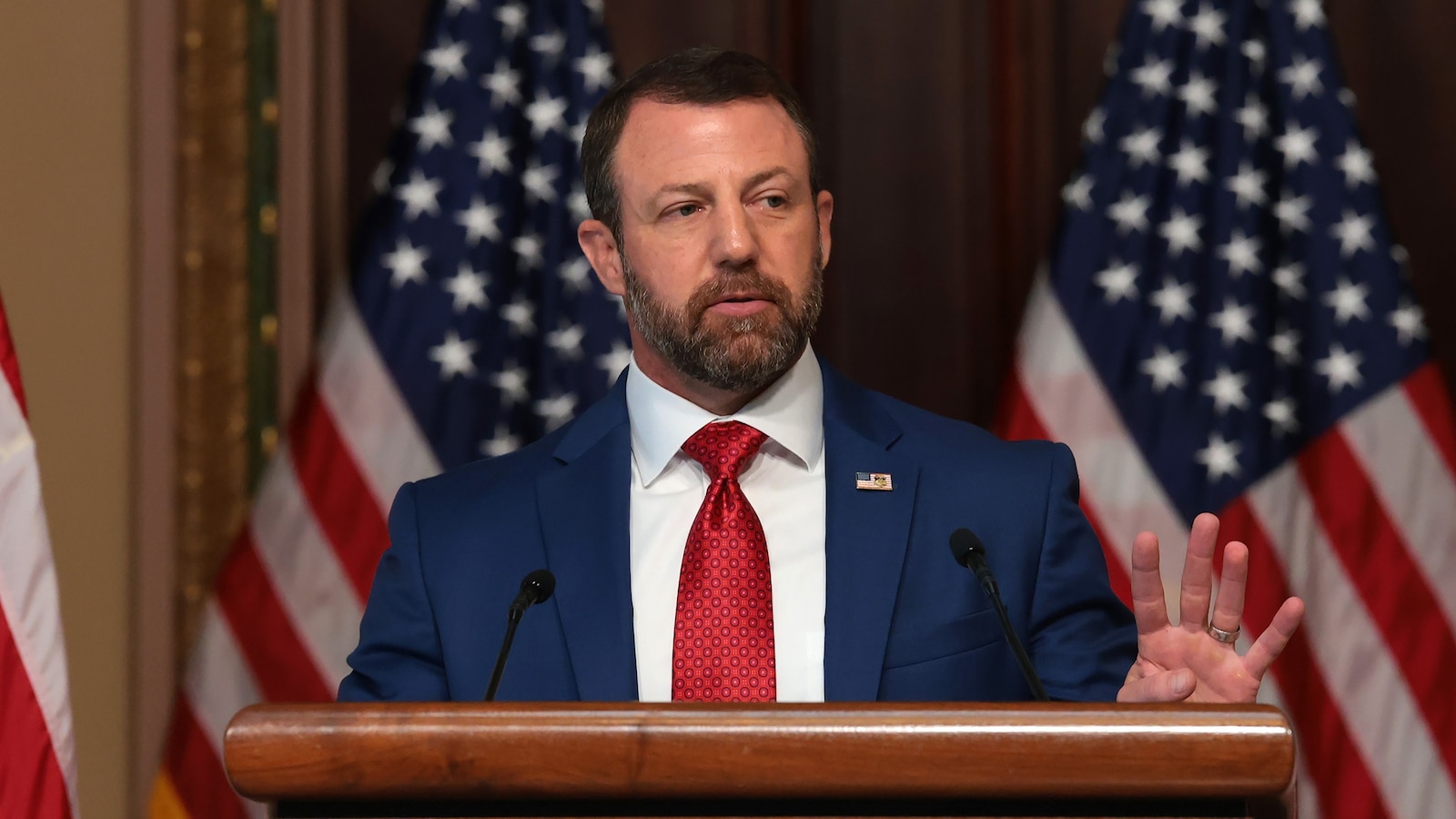
Missouri’s Republican Secretary of State Denny Hoskins said Tuesday that he wouldn’t certify a referendum seeking to undo the state’s new GOP-drawn congressional map, arguing that the effort was unconstitutional.
“After careful consideration, I have determined the challenge to the new ‘Missouri First’ congressional map to be insufficient based on its unconstitutionality,” he told NBC News in an interview ahead of his public announcement.
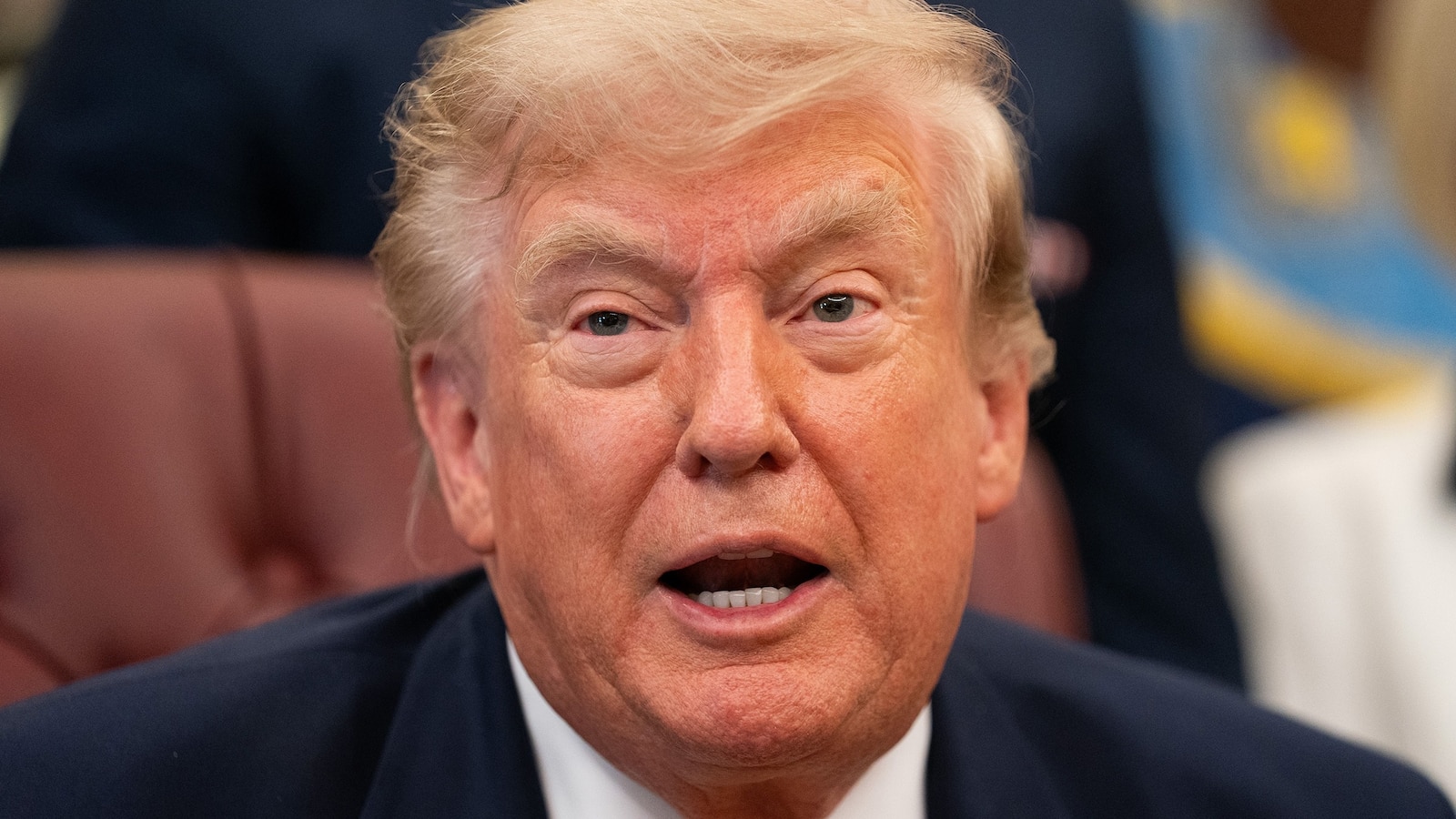
The announcement is set to further fuel the legal battle over the new map Missouri lawmakers approved 11 months ago that carved up one of the state’s two Democratic-held districts. It was part of a push led by President Donald Trump for GOP-led states to take up redistricting proposals to shore up the party’s narrow House majority ahead of this year’s midterm elections.
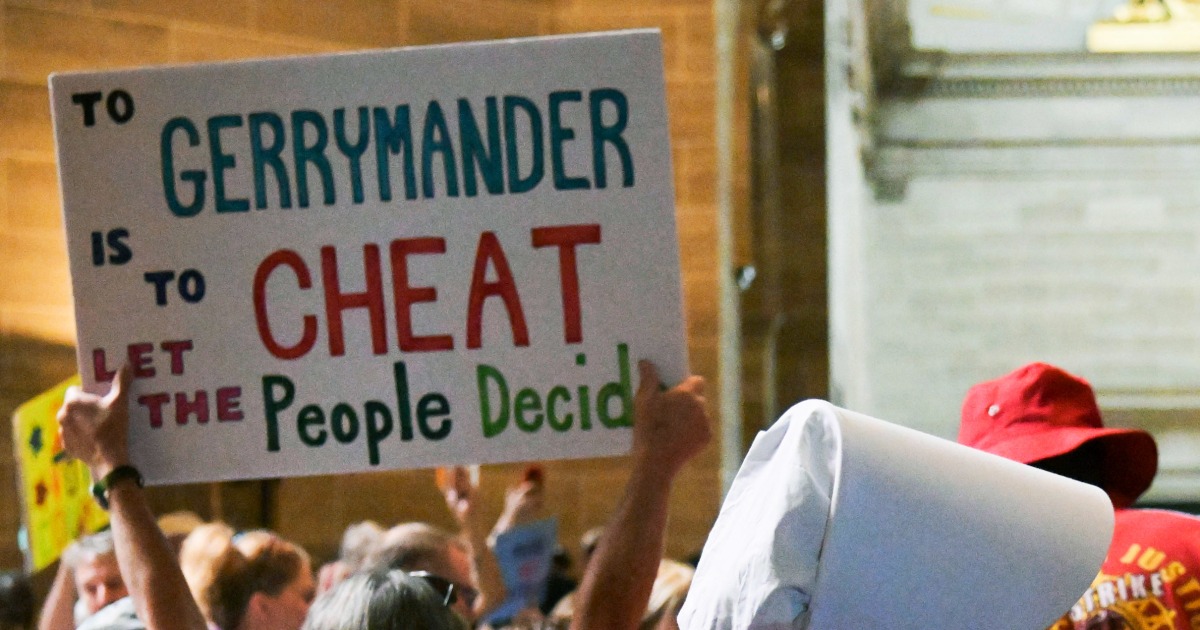
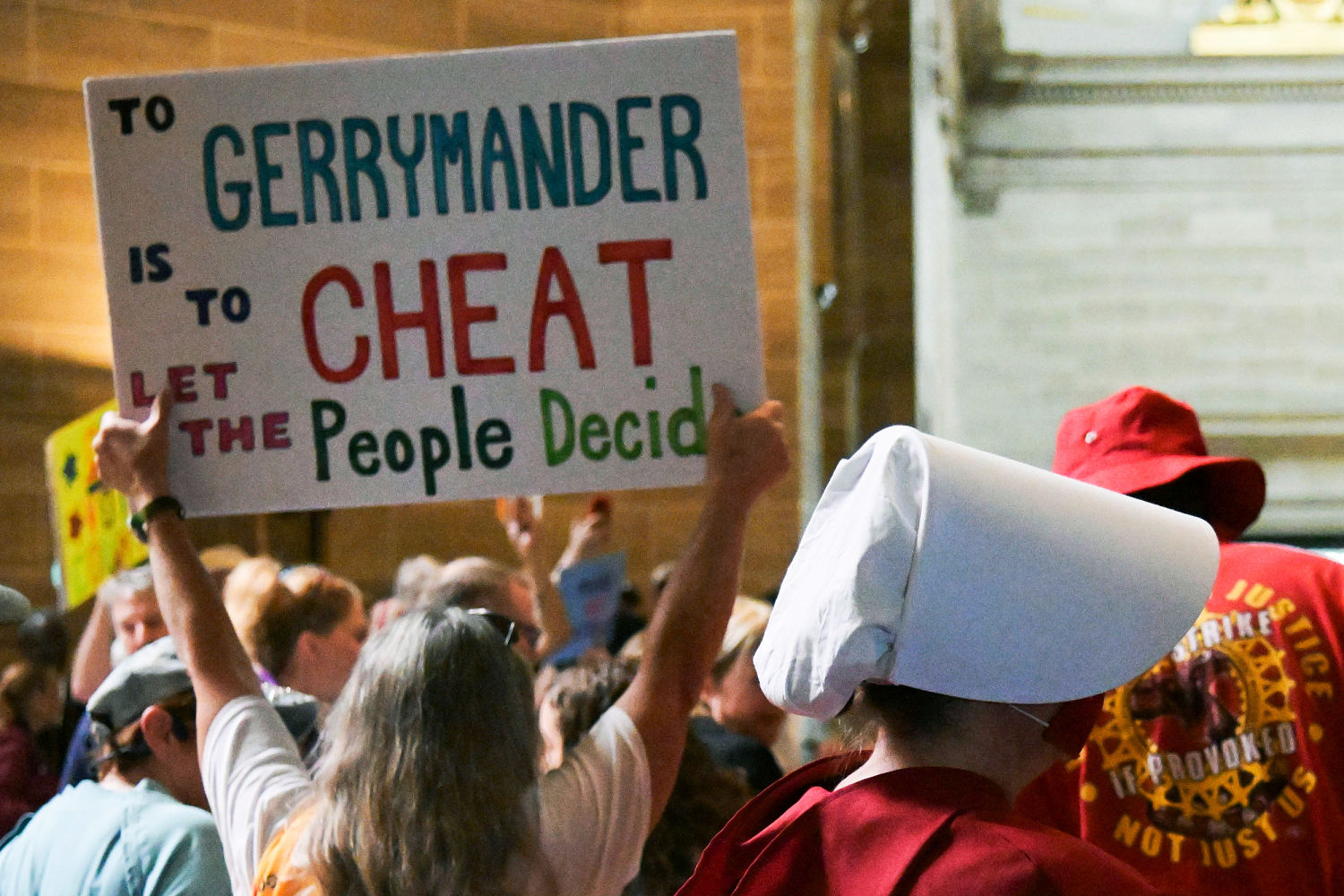
In response, a group called People Not Politicians Missouri said it gathered more than 300,000 signatures to force a veto referendum. Missouri law allows voters to block laws if they gather enough petition signatures — this year, that number is around 106,000 spread out around the state — and then win a majority of votes in a statewide election.
But Hoskins said he believes state and federal law prohibit such a repeal, adding that the state’s attorney general, Catherine Hanaway, and Gov. Mike Kehoe, both Republicans, agree with him.
“I think based on the Missouri Constitution, based on Missouri state law, and based on the U.S. Constitution, a referendum on a congressional redistricting map is not constitutional,” he said.
At a news conference on Tuesday, Hoskins declined to say if the ballot measure campaign had collected enough signatures. People Not Politicians Missouri Executive Director Richard von Glahn said the group had requested election official records and they indicated they had more than enough signatures.
Hoskins’ decision is likely to be challenged in court, but it’s unclear if the state would even have time to revert to the state’s previous congressional map if a judge decides the referendum should go forward. Tuesday, the statutory deadline for Hoskins to announce a decision on the referendum, is also primary day in Missouri, and those elections are taking place under the redrawn map.
If the referendum would have been certified for the ballot, the new map would have been put on pause until it was voted on.
“We could run the general election on a different map than the primary,” Hoskins said. “However, I’m hopeful that the courts will decide in my favor. I’m the chief election officer. I believe that it is too close to the November election.”
He also said state lawmakers could attempt to redraw the congressional map next year if a court were to rule against them.
“Even if the courts would say, “Hey, let’s go back to the 2024 maps, the original maps, I could also see our legislature in 2027 redoing the maps again,” he said, pointing to a recent U.S. Supreme Court ruling that has opened the door for dismantling majority minority districts.
Opponents of the GOP-drawn map have accused state officials of slow-walking the referendum process.
Last year, Hoskins said that signatures gathered before the initiative campaign was formally approved by his office weren’t valid and constituted “a misdemeanor election offense.” His office later acknowledged that such efforts were “not a crime.”
In the past, state officials have suspended a state law that was facing a veto referendum campaign once signatures were submitted. Hoskins chose not to do that, and the state Supreme Court backed him up. The court said that if the referendum is found to have a sufficient number of signatures, the new map will be suspended retroactively.
“I’m going to do everything I can to protect Gov. [Mike] Kehoe’s Missouri First Map — the map the General Assembly passed,” Hoskins told The Associated Press in December, when advocates submitted signatures to try and force the vote.
Hanaway, the state attorney general, also sued to try and prevent a veto measure, but the case was dismissed by a federal judge. She also announced in November she’d asked federal immigration authorities to investigate petition gatherers.
“Every step of the way, state officials have tried to throw up obstacles,” said Derek Clinger, senior counsel for the State Democracy Research Initiative at the University of Wisconsin Law School.
Hoskins, pressed by reporters in a news conference about his handling of the referendum, said he’d followed the law. The statutory deadline for reviewing the referendum’s signatures was 5 p.m. local time on Tuesday.
“I have met all my obligations,” he said.


Leave a Reply