

The weight of the crates had to be reduced “to make sure that the work would transport safely,” she said in a telephone interview last month. “The more weight you have, the more vibrations you have,” she added.
After two dummy runs in February and April through the Channel Tunnel — a rail service that runs underneath the English Channel — it was established that the crates were able to absorb shocks to a measurement of 96%, enough to make the journey safely.
On July 10, it made an 11-hour journey to London, arriving at around 3 a.m. the following morning. “It was one of the most special experiences of my life and of this project so far. Certainly, you could have heard a pin drop as they were taking the crate off,” Horton-Insch said .
“The condition report is now finished, and no damage has been reported,” said Delhomme. “We are very pleased.”

Getting it back to France might be more complicated because the same methodology can’t be applied, Cécilia Gauvin, CEO of SMACH, said.
“We need to make a lot of tests before the end of the loan to be able to remove the tapestry safely,” she added.
The British government has insured the return process for 800 million pounds, or just over $1 billion.
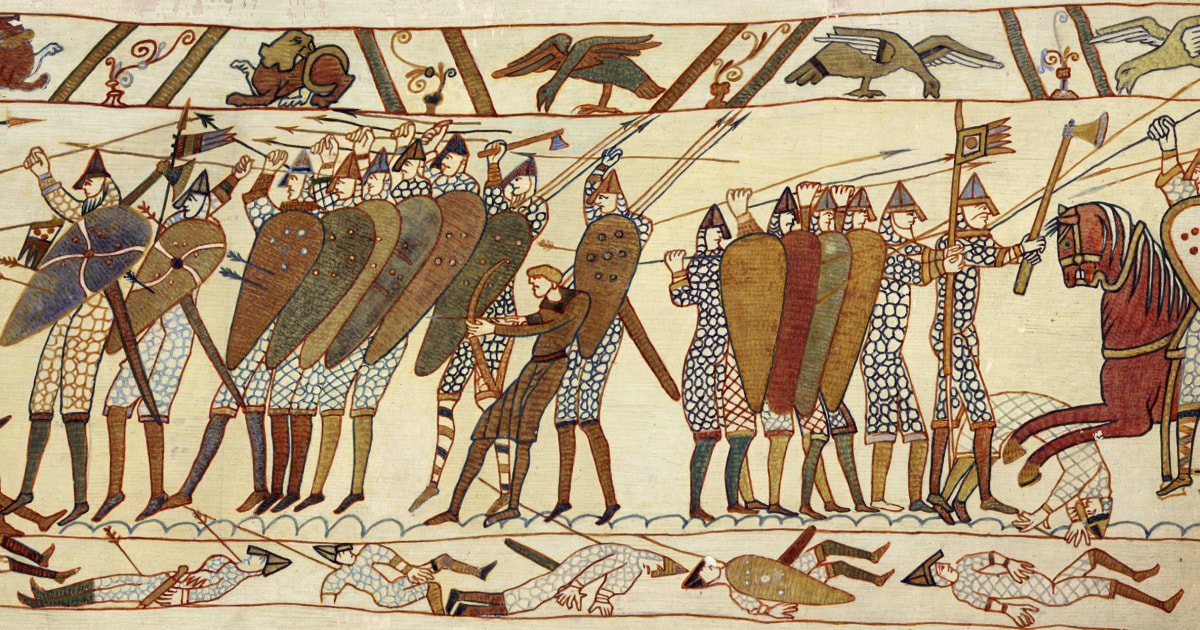
Tickets to see for the tapestry, which will be displayed at the British Museum until July, have sold out. Unlike in Bayeux, it will be displayed flat, rather than hung under dimmed lighting, Horton-Insch said.
“It’s a once-in-a-millennium moment,” she added. “It’s the first time that it’s been back since it was made in the 11th century. We don’t know if it will ever come back again.”













Leave a Reply