

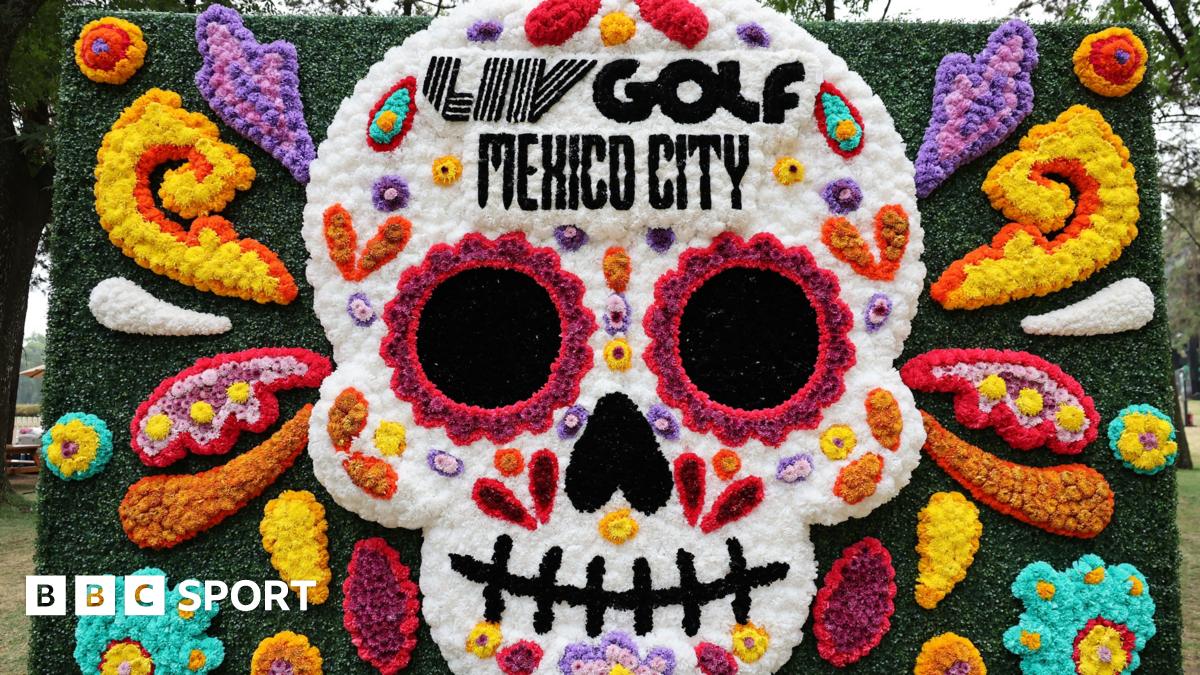
When viewed in this context, it is little surprise that LIV – which had racked up billions of pounds of losses since its launch in 2022 – was no longer compatible with PIF’s new investment strategy, especially with the vast sums needing to be spent on preparing for the World Cup in just eight years.
“With the 2034 World Cup approaching, Saudi Arabia faces enormous infrastructure and delivery costs,” says Dr John Rewilak, an expert in sport management at Loughborough University.
“It is plausible that the government is reallocating capital and reassessing its wider sports portfolio. Geopolitical tensions and rising construction costs may also be accelerating these decisions, shifting spending priorities toward security and essential infrastructure rather than prestige sports assets.”
Some sports appear to be in a better position than others, especially those which have mass appeal among Saudi Arabia’s youthful population.
In July, Riyadh will host both the Esports World Cup and Anthony Joshua’s heavyweight fight against Kristian Prenga.
Next year Saudi Arabia is due to host the AFC Asian Cup for the first time, while in cricket, it is due to host the Women’s World T20 Challenge this year, and is reportedly exploring plans for a global T20 cricket competition.
A new, state of the art Formula 1 circuit is being built near Riyadh.
The BBC has also been told that PIF’s long-term commitment towards Newcastle United remains unchanged, with a major capital investment set to be confirmed in the coming days.
That will no doubt come as a relief to many fans now increasingly concerned about the future backing of their owners.
But the fate of LIV Golf also serves as a warning to all those in sport that had become reliant on Saudi’s sporting spending spree.
They all now know that nothing is guaranteed.

Leave a Reply