

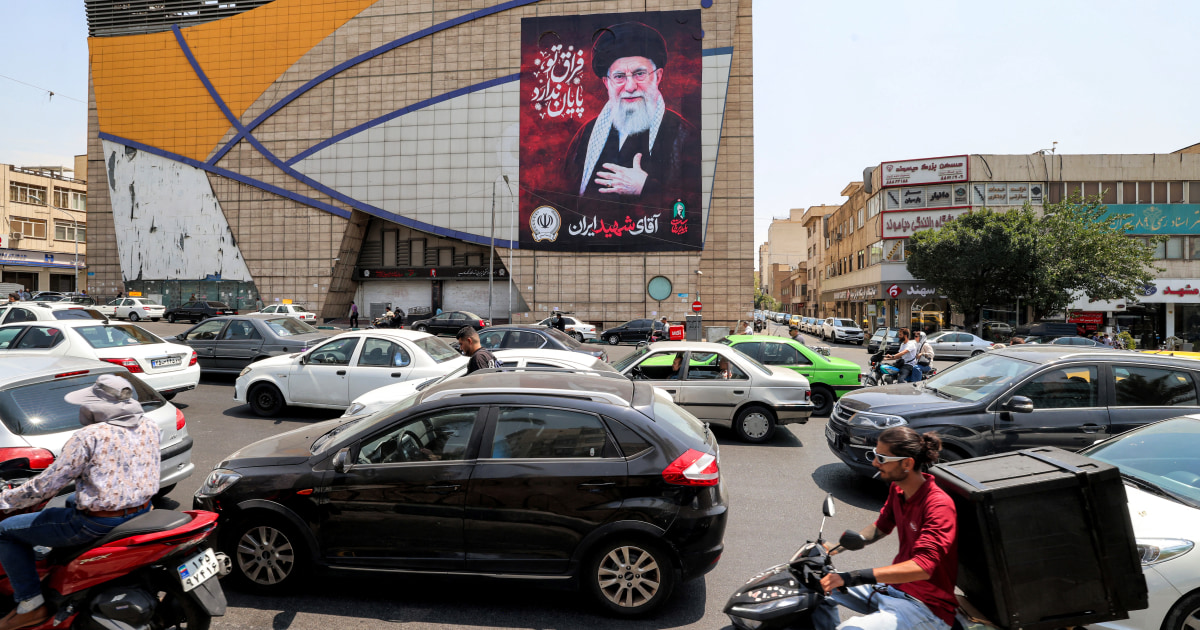
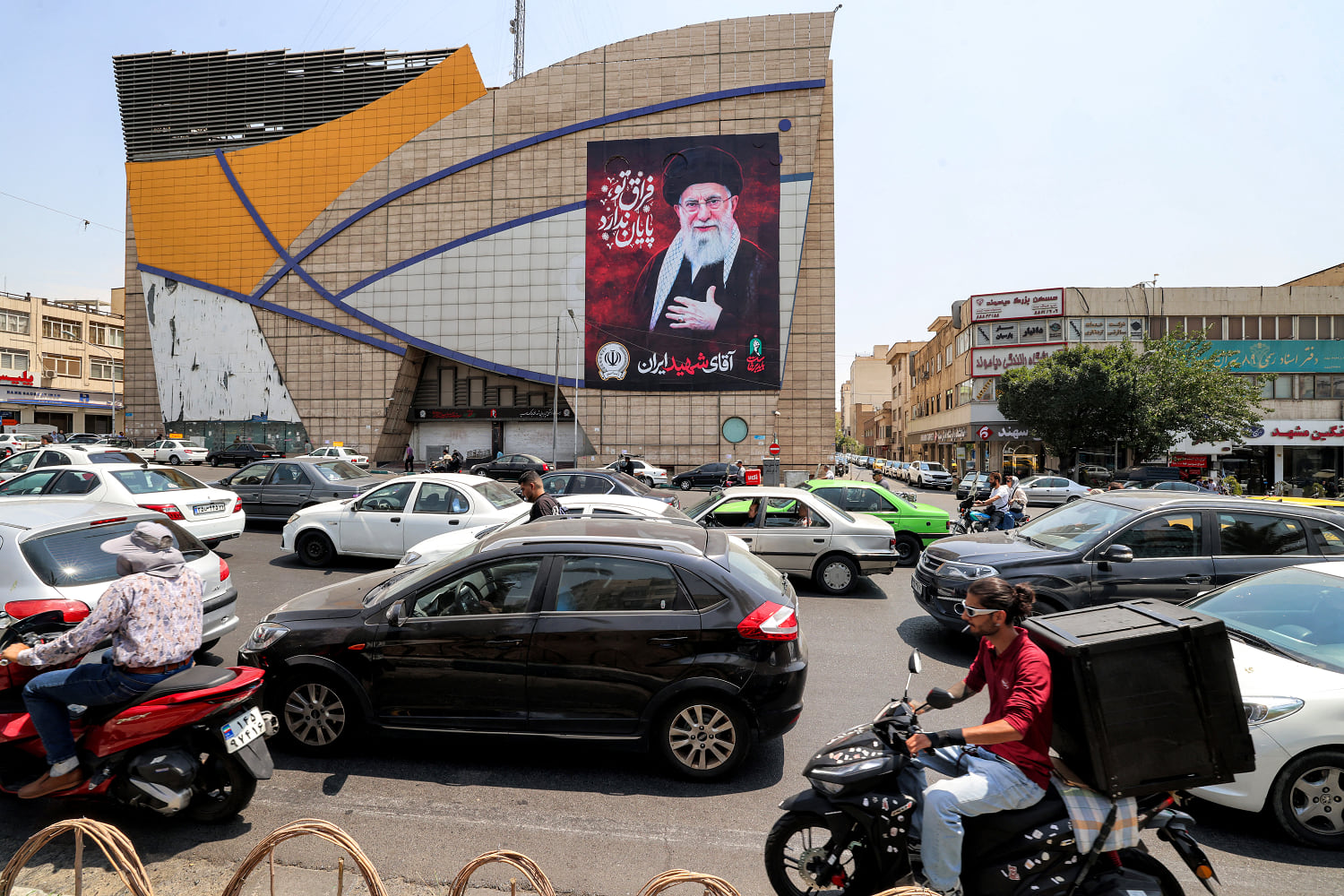
There are no ongoing negotiations between Tehran and Washington, Iranian Foreign Minister Abbas Araghchi said Sunday, after Tehran set out a steep series of demands for the reopening of the Strait of Hormuz.
“The intermediaries are still making efforts to find ways to resume negotiations,” Araghchi said.
He tempered optimism stirred by Iran’s separate discussions with Oman over the future management of the waterway, saying that “changes to maritime routes in the Strait of Hormuz are a technical and legal matter and do not mean that the Strait of Hormuz has been reopened.”
Araghchi’s statement came a day after top Iranian security official Mohammad Bagher Zolghadr laid out the country’s conditions for reopening the Strait of Hormuz, saying it would not do so “until America corrects its behavior.”
The Iranian Supreme National Security Council Secretary’s statement, as carried out by Iranian state media, stated that the U.S. must withdraw its naval blockade, pay Iran damages for the war, unfreeze Iranian assets, lift sanctions on Tehran and permanently end the conflict against Iran and its regional allies.
The U.S. is yet to respond publicly to the list of conditions. Top officials have previously ruled out making any immediate payments to Iran during past efforts to seal a deal to end the war.
The country’s enriched uranium stockpile has also been a sticking thorn for Washington, which insists Iran must abandon its nuclear ambitions. The stalled negotiations have left the Strait of Hormuz largely inoperational for months, save for brief periods of operation. Thousands of sailors remain stranded in the region, unable to return home or keep the world’s supply of oil flowing.
“What we’re really working through now is how you can actually set up a traffic scheme so that the ships that pass can pass through safely,” Vice President JD Vance told Fox News on Saturday. That scheme, Vance said, would include demining efforts and also assurances from Tehran that it would not fire on transiting vessels.
On Saturday, Oman condemned attacks on the vessels that were attempting to pass through the Strait of Hormuz, saying in a statement that such attacks could affect its negotiations with Iran over the waterway’s management. The UAE and Kuwait on Saturday also condemned an Iranian missile attack on a Abu Dhabi National Oil Company tanker.
Oman nonetheless said its discussions with Iran were “proceeding in a positive and constructive atmosphere.”
Iran and Oman, neighbors across the Strait of Hormuz, have been negotiating an agreement on how to manage traffic through the waterway, including considerations of a toll fee. The discussions have also been viewed optimistically, raising hopes that it could finally led to the waterway being open.
But Iranian officials have dismissed any link between the talks and the waterway’s opening. Iran’s discussions with Oman “does not mean the reopening of the Strait of Hormuz,” Araghchi said Saturday.
Iranian state media on Sunday reported that President Masoud Pezeshkian had met with the country’s absent Supreme Leader Mojtaba Khamenei, discussing “the war and the future ahead.” No evidence was provided that the meeting took place.
Pezeshkian earlier this week said that it had been “very difficult” to contact the 56-year-old leader, who has not been seen publicly since he was badly injured in the U.S. strikes that killed his father.
Meanwhile, the Iran-allied Houthi rebels in Yemen again attacked Saudi Arabia on Sunday, with its news agency saying the forces targeted the Mocha port along the Red Sea.
The Houthis have launched several attacks on Saudi Arabia in recent days, also hitting a Saudi Aramco oil refinery in the port city of Jizan with a drone. It said Sunday that the attack on the refinery was in response to Saudi drones’ incursions into Saada and Hajjah airspaces of Yemen.
The Saudi energy ministry said on X Sunday that the fire that broke out at the refinery had been extinguished and nobody was injured.
The world’s top oil exporter, Aramco, is seeking to reroute some of the oil exports to the Red Sea instead of the Persian Gulf in an effort to circumvent the shuttered Strait of Hormuz. Riyadh on Saturday condemned the attacks by the Houthis, which it said had attacked the kingdom since July 13 and shipping vessels since July 22.











Leave a Reply