

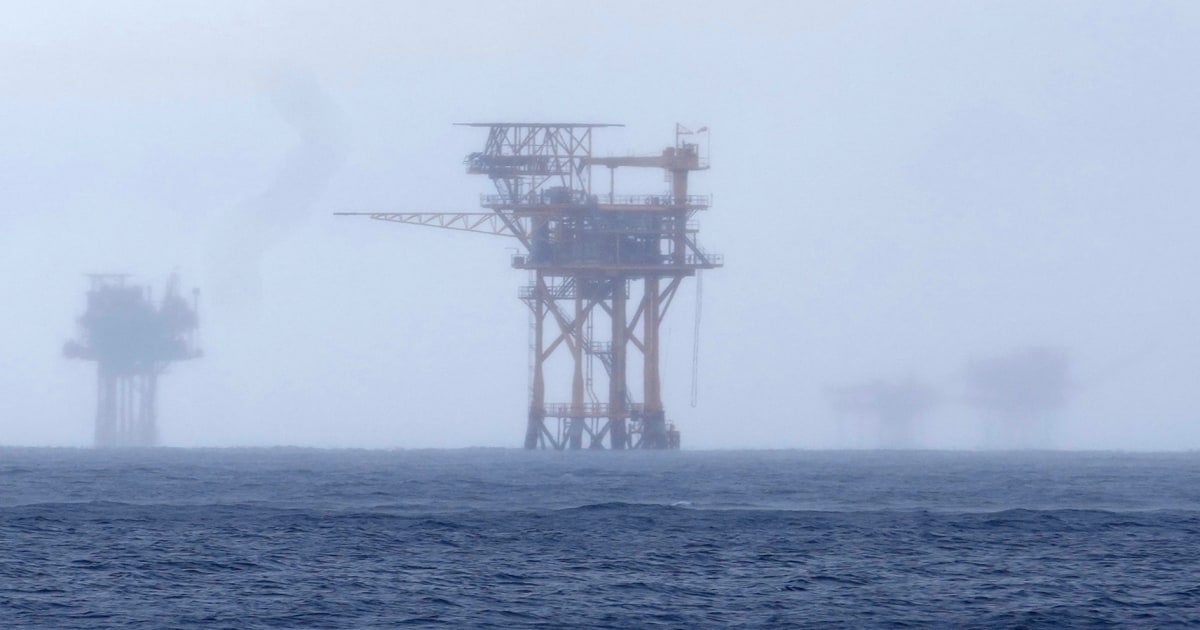
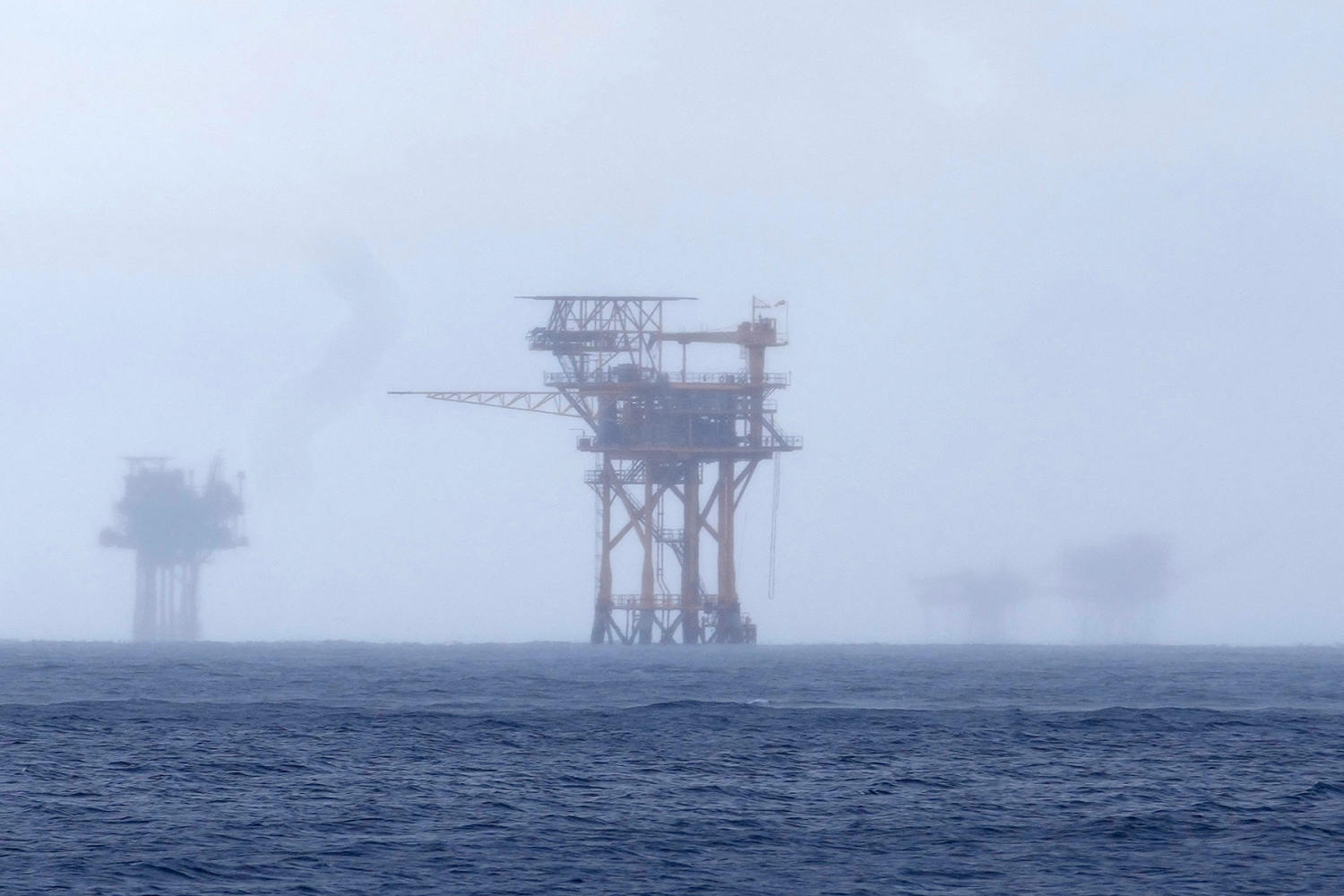
A powerful storm snaking its way through the Gulf of Mexico threatens to disrupt U.S. oil and gasoline production at a moment when retail gas and diesel prices are squeezing American consumers and companies.
Hurricane Isaias is rapidly intensifying and expected to make landfall along the northeastern Gulf shore late Friday or early Saturday.
Already, major oil companies including Chevron and Shell have begun shutting down some oil production sites. Chevron said it was shutting down four of its assets in the Gulf, although production at its five other facilities in the region remained at normal levels, it said. Shell said it was halting production at five sites.
All told, approximately 25% of Gulf oil production had been suspended as of Thursday morning, according to the U.S. Marine Minerals Administration.
Hurricanes and major storms are common in the region, so oil companies have well established evacuation and shut-down protocols.
Still, the timing could hardly be worse for U.S. consumers.
The U.S.-Israeli war against Iran has spawned broader regional conflict, which continues to disrupt energy supplies and drive oil and gasoline prices higher.
Global benchmark Brent crude oil prices surged nearly 5% in early Thursday trading amid reports that President Donald Trump was considering renewed attacks against Iran. U.S. gasoline prices averaged $4.36, down slightly from a week ago but still up $0.21 over the past month.
“This could not have come at a worse time as gasoline and diesel inventories are quite low,” wrote Andy Lipow, president of Lipow Oil Associates LLC consultancy, in a note Wednesday.
Nearly all U.S. offshore production is in Isaias’ path, he wrote, “So the impact, even short-lived, can be significant.”
Lipow estimated that 14% of the nation’s refining capacity is in the path of the storm. Given that most U.S. refineries are now running at maximum levels in response to the global squeeze on capacity, “There is no slack in the system,” he wrote.
As a globally traded commodity, any reduction in supplies of refined petroleum products like gasoline will send prices higher around the world.
Refineries in the path of Isaias are likely to see flooding that could take them offline for up to 10 days, said Patrick De Haan, head of petroleum analysis at GasBuddy.com. That is expected to produce a short-term squeeze for U.S. gasoline prices.
But for U.S. motorists, the bigger concerns remain overseas — especially in Russia, where Ukraine continues to target refineries.
“The refining problem is looking like, short-to-medium term, at least three to six months,” said De Haan. “And it sounds like it’s going to be continuing, especially with Ukraine promising to target more Russian refineries. So there needs to be some deescalation there for there to be any relief, but it doesn’t look like we’re seeing it.”










Leave a Reply