

In the late 1970s, football clubs were actively searching for new revenue streams, but there had been resistance to front-of-shirt sponsorship – especially from TV companies who argued that it amounted to free advertising.
The Football Association and the Football League relented before the start of the 1979-80 season, but sponsors’ logos still had to be removed for televised games and all cup ties.
Everton made history when Hafnia, a Danish tinned meat company, was the first sponsor to appear on a shirt, followed days later by Liverpool, who had signed up with Japanese electronics firm Hitachi.
By 1983-84 the TV ban was scrapped, and all 22 top-flight clubs had deals.
The early years were dominated by emerging electronics companies such as JVC, Panasonic, Pioneer and Sharp.
In the first Premier League season in 1992-93, nine of the 22 clubs had technology sponsors, with Japanese companies accounting for five of them.
Ten sponsors were based in the UK, with seven within 100 miles of their club and four inside 10 miles. One club, Wimbledon, went through the full season without a shirt sponsor.
Today, only four teams have a UK sponsor. Three of those have their headquarters in London, more than 100 miles away from the relevant club.
Now only Ipswich have a local company, with Halo located 12 miles away in Stowmarket.
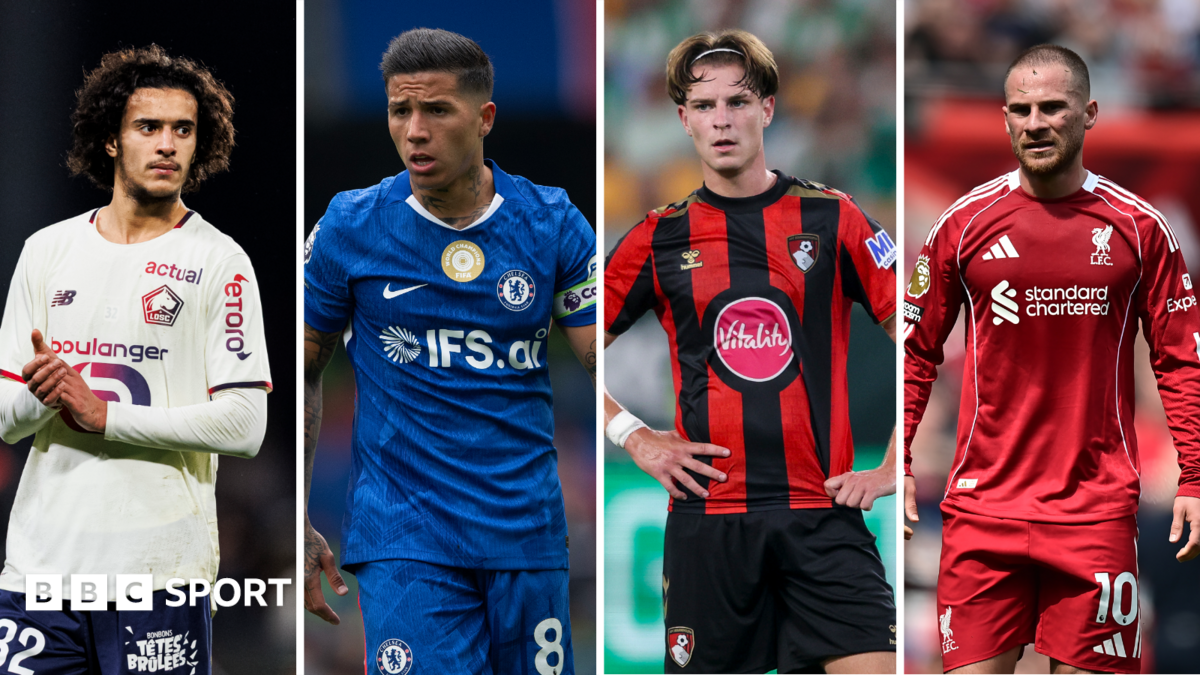
These days supporters may have to put company names into a search engine to discover what they do, and where they are from – whether that be American tech firm Snapdragon, South African energy drink KNOX Hydration or US artificial intelligence firms ClickHouse and Temporal.
Maguire explained how the value of these deals had soared, with commercial revenue having gone up “by nearly 4,000% from £58m to £2.4bn in 2024-25”.
“As the Premier League’s broadcasting footprint has increased so has the value of these deals,” Maguire said.
“And one of the biggest elements of commercial revenues is front-of-shirt sponsorship deals.”
By the mid-1990s, around a third of clubs were sponsored by alcohol brands.
This gradually phased out over time, with Everton’s association with Thai brand Chang the last beer sponsor in 2016-17.
The real change came with the 2005 Gambling Act, which gave greater freedom for betting companies to put their names on the front of football shirts.
Leave a Reply