


Tristan H. Cockcroft

Multiple Authors
Gear up for some bargain shopping!
We’re now deep enough into the season where 2026 stat lines are increasingly perceived as full-year trends by some, and panic amongst fantasy baseball managers whose teams have started off slowly is only rising. Nevertheless, the season-long sample size remains small and the trade market is rife with opportunity.
Whether it’s past history, a tough schedule or merely awful luck, certain slow-starting players have reason to formulate strong cases for a turnaround. These early mirages should rank atop your trade target list.
Granted, not every sluggish superstar is bound to improve in the coming weeks. Alek Manoah (2023), Randy Arozarena (2024) and Anthony Santander (2025) are just a few examples from the past three seasons of players who couldn’t shake their opening-month slumps. Always closely examine the reasons for a player’s early slump, his underlying metrics and his team’s rest-of-year outlook, and make a definitive call on each before pursuing any trade.
That said, I’m not even remotely worried about any of the following four players. In fact, it’s prime time to go “all in” on a trade for any of them.
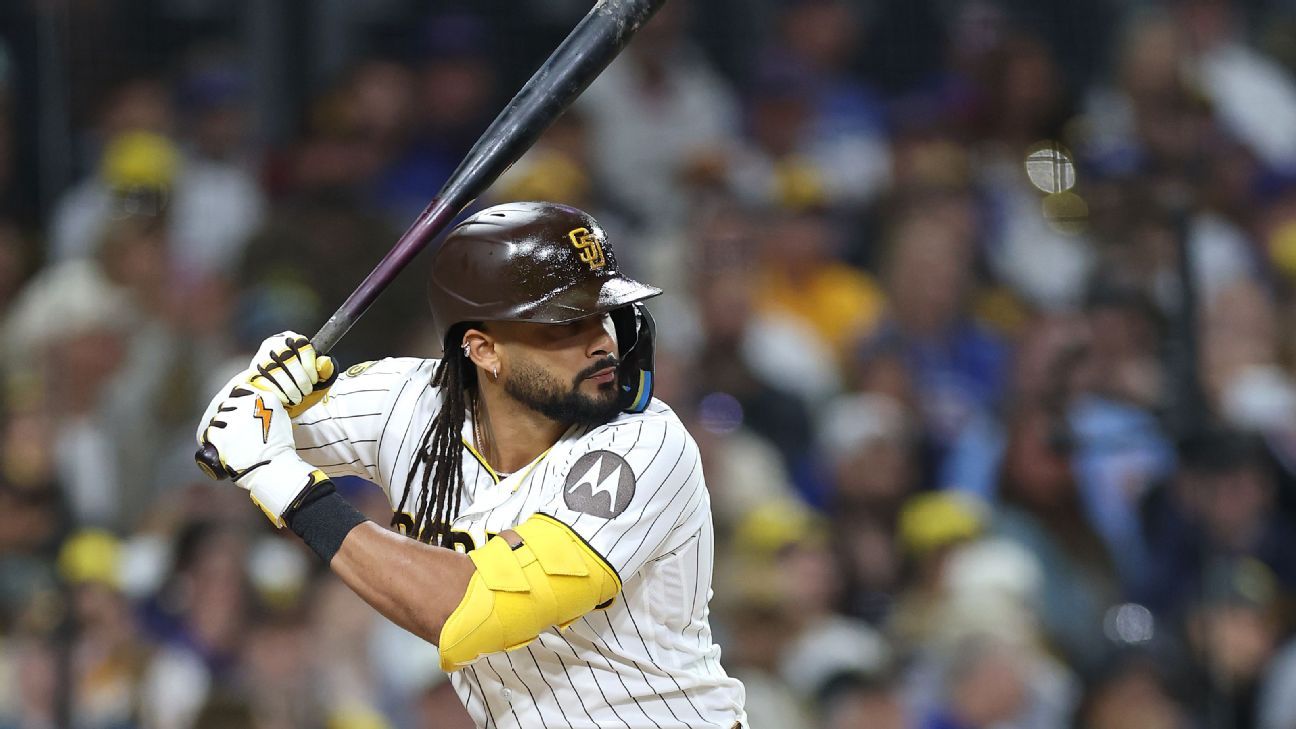
 Fernando Tatis Jr., OF, San Diego Padres
 Fernando Tatis Jr., OF, San Diego Padres
Two Tatis stats pop off the page — and, as you know, I’m all about stats.
He ranks third in the majors in hard-hit rate (60.4%).
Yet, after hitting 25 home runs last year, through 35 Padres games and 148 trips to the plate this season, he has zero homers.
Tatis’ power futility seems inconceivable, until you consider how much hard luck he has fallen into on batted balls. He has struck the baseball at an exit velocity of at least 100 mph a whopping 44 times — only four hitters have done so more often — yet he has a mere .416 wOBA when he has.
Tatis has also averaged 0.86 fantasy points on those batted balls. To put that into perspective, from 2023-25, he averaged 1.79 points. Heck, the league as a whole is averaging 1.93 points on those this year.
One more thing about Tatis’ home run drought: It’s not the first time in his career that he has gone more than 100 plate appearances between homers. He had two such streaks last season alone, lasting 132 and 101 straight plate appearances, yet he still finished top-30 overall both in fantasy points and on the Player Rater.
Perhaps Tatis is simply a streaky player? Two monthly and three weekly awards strengthen that argument. You want to be ahead of the curve on a prospective hot spell, and if you can get Tatis for even one cent beneath where I’ve valued him currently — again a top-30 overall player — dealing for him is a must.
Outfielder I prefer him to: James Wood.
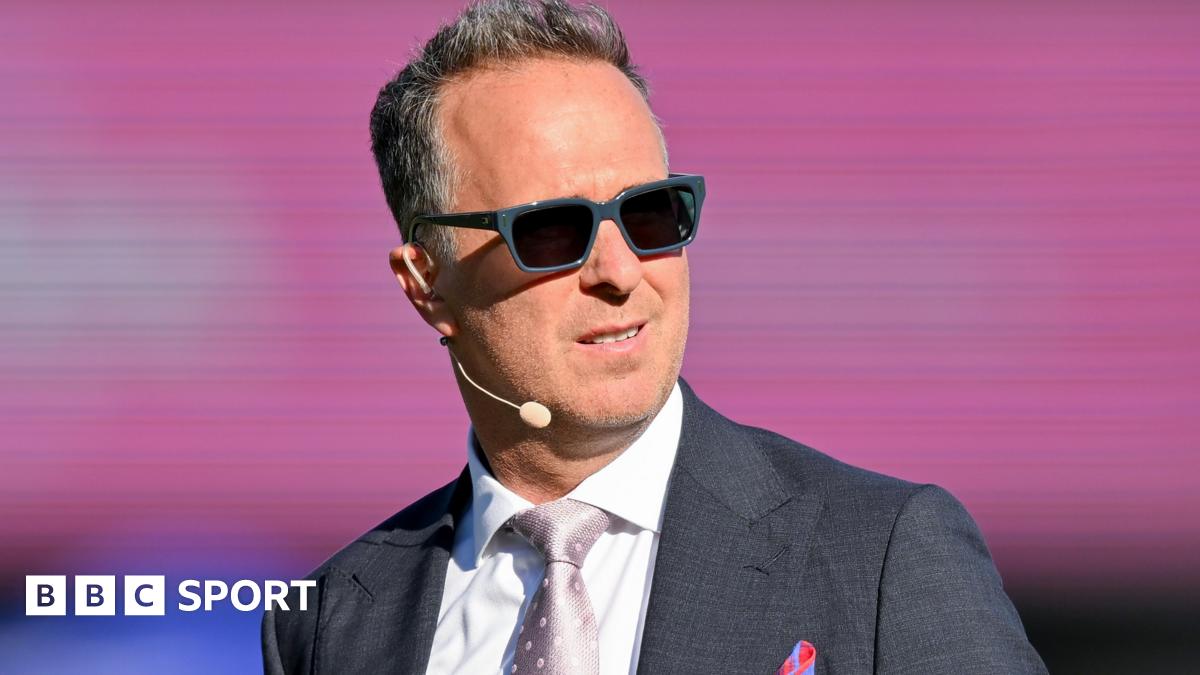
Jesus Luzardo, SP, Philadelphia Phillies
 Jesus Luzardo, SP, Philadelphia Phillies
He’ll be a tougher pitcher to pry away after he totaled 48 fantasy points in what were back-to-back quality starts over the past week-plus, but the fact remains that Luzardo’s 5.09 seasonal ERA might cause agita amongst his managers, while his 75 fantasy points for the season still place outside the top 50 starting pitchers.
Ignore the folly of trusting his seasonal numbers, and pay the premium price — yes, that of a top-10 capable fantasy starting pitcher despite his early returns — if you have a chance to. I look at Luzardo and see two issues:
Three of his starts so far (among seven total) came at Colorado’s Coors Field (one) and against the Chicago Cubs (two), the majors’ No. 3 offense in terms of runs per game.
He has allowed a .368 batting average on balls in play (fourth worst among ERA qualifiers) and he has stranded only 62.0% of runners he has allowed to reach base (third worst).
Neither of these things are entirely within Luzardo’s control and, while he’s going to face other elite offenses, when things break well for him in the batted-ball department, he’s plenty capable of rising to the occasion. He has scored 23-plus fantasy points in both of his last two Coors assignments, for example, and he totaled 37 points in his two starts against the loaded 2025 Los Angeles Dodgers.
Starting pitcher I prefer him to: Logan Webb.
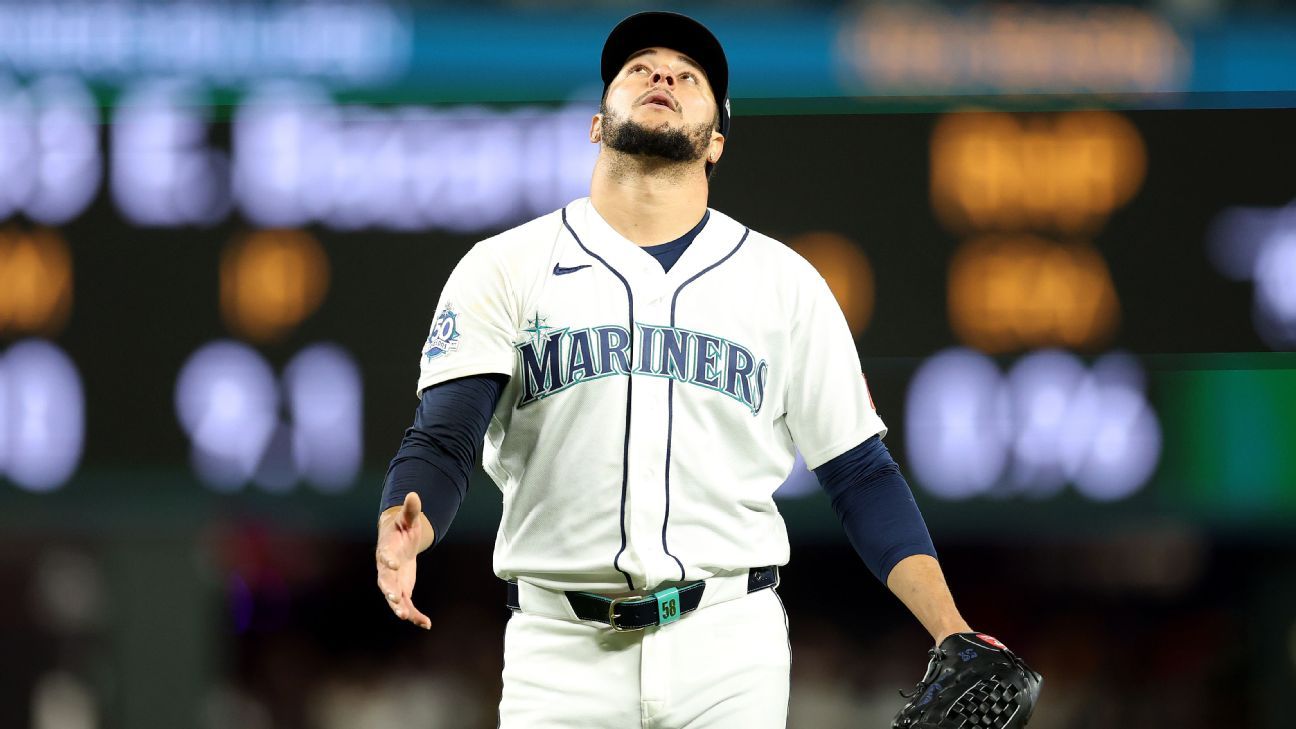
Ketel Marte, 2B, Arizona Diamondbacks
 Ketel Marte, 2B, Arizona Diamondbacks
The full-year worry with Marte is that he has a bit of an injury history, having made five trips to the IL totaling 124 days of absence over the last five seasons (2021-25). If that slight risk scares you, I’d understand your hesitance to trade for him.
Putting that aside, Marte has been an excellent — and underrated — fantasy hitter between his bumps and bruises. That he plays the tough-to-fill 2B position certainly helps boost his value.
Marte’s 1,313 fantasy points since the beginning of 2023 are more than any other primary second baseman, and he’s the only 2B-eligible hitter to have hit at least 25 home runs in each of the last three seasons. That’s a big deal if you consider that, league-wide, second basemen have accounted for by far the worst home run rate (2.1%) and isolated power (.127) of any individual defensive position.
Yes, second basemen also have the highest batting average of any position, at .255, and they’ve got the third-best stolen base/game rate. But if the puzzle piece that fits your roster is a run-producer, Marte is your man.
We haven’t seen Marte’s best yet, but even as an underperformer, he has been massively unlucky on batted balls. His .290 wOBA is a whopping 73 points below expected, the widest such differential among batting title-eligibles.
He’s a player I had within my top-15 overall players entering the year, and I don’t think much has changed to pull him substantially down that ranking list.
Second baseman I prefer him to: Nico Hoerner.
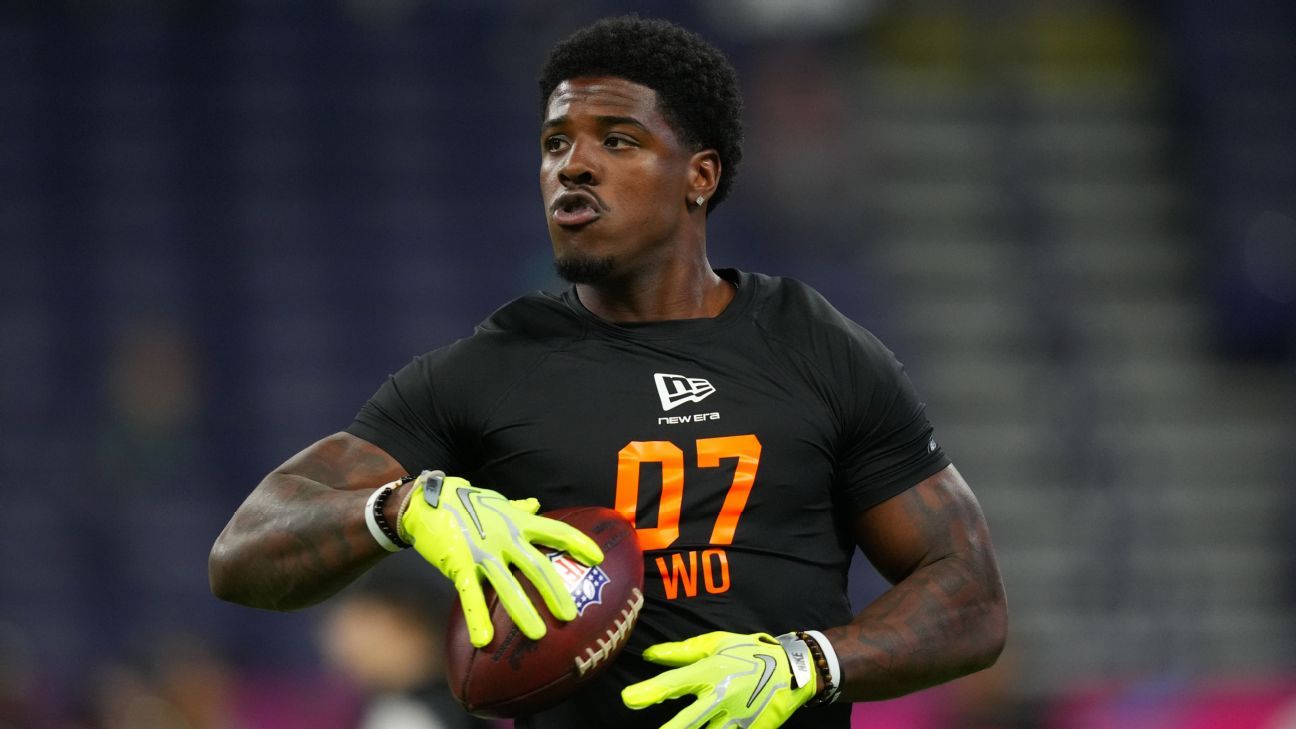
Devin Williams, RP, New York Mets
 Devin Williams, RP, New York Mets
Things have not gone well in Mets-ville thus far and Williams, who contributed three disastrous outings during the team’s 12-game losing streak a few weeks back, might seem like an easy scapegoat. After all, he similarly struggled at this stage of the season across town one year ago, an all-too-nearby memory.
Digging deeper, Williams has historically struggled to kick off seasons on a positive note. His 5.24 career ERA in April is easily his highest in any of the season’s traditional six months, more than 2.25 runs higher than his next-highest. Even if we leave out both this and last season, then his worst ERA by month is April’s 2.96, his second-worst is May’s 2.51, and he doesn’t have an ERA higher than 1.65 in any of the four months that follow.
Williams’ .519 BABIP is also outrageously high, his most representative metric of the bad-luck factors that also plagued him through this stage of last year. To put it into perspective, Statcast estimates that the right-hander’s batting average allowed should be 106 points lower than it currently is — the fourth-largest differential in that direction among all relievers.
The Mets don’t exactly have a bevy of alternatives to Williams in the ninth, and they have 14 million reasons to be patient with him through his typical early struggles. The team also isn’t this bad, and correction to the results from a team-wide perspective should result in more leads to protect for the closer.
Considering all the turnover at the position thus far, we’re still looking at an easy top-five relief pitcher here. Trade accordingly.
Player I prefer him to: Aroldis Chapman.









Leave a Reply