

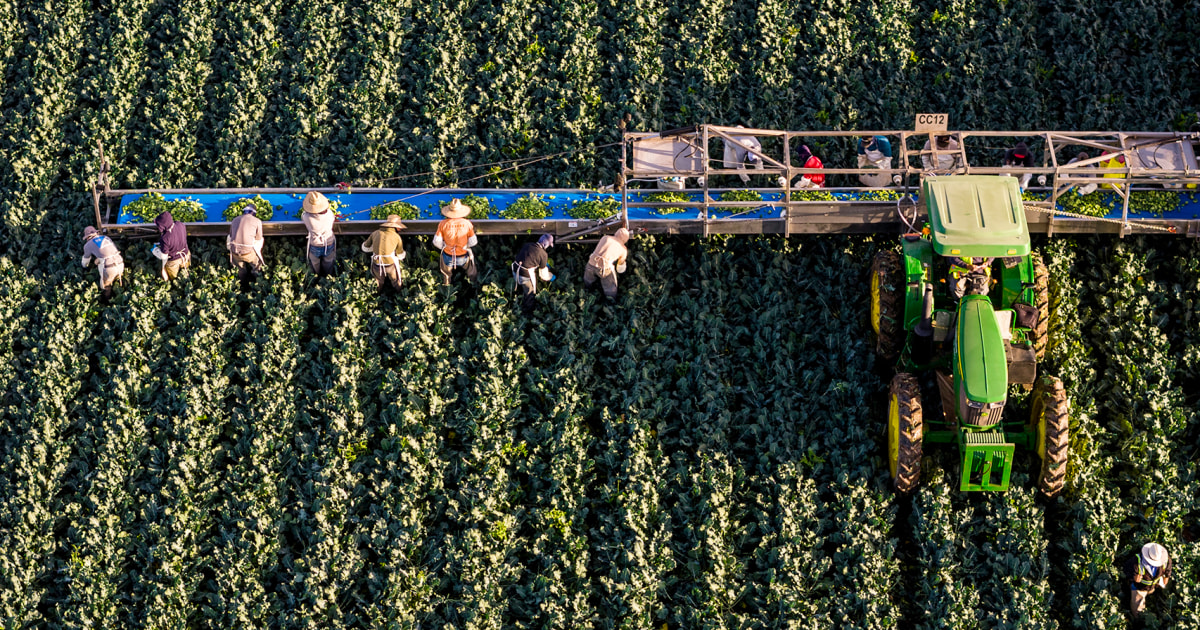
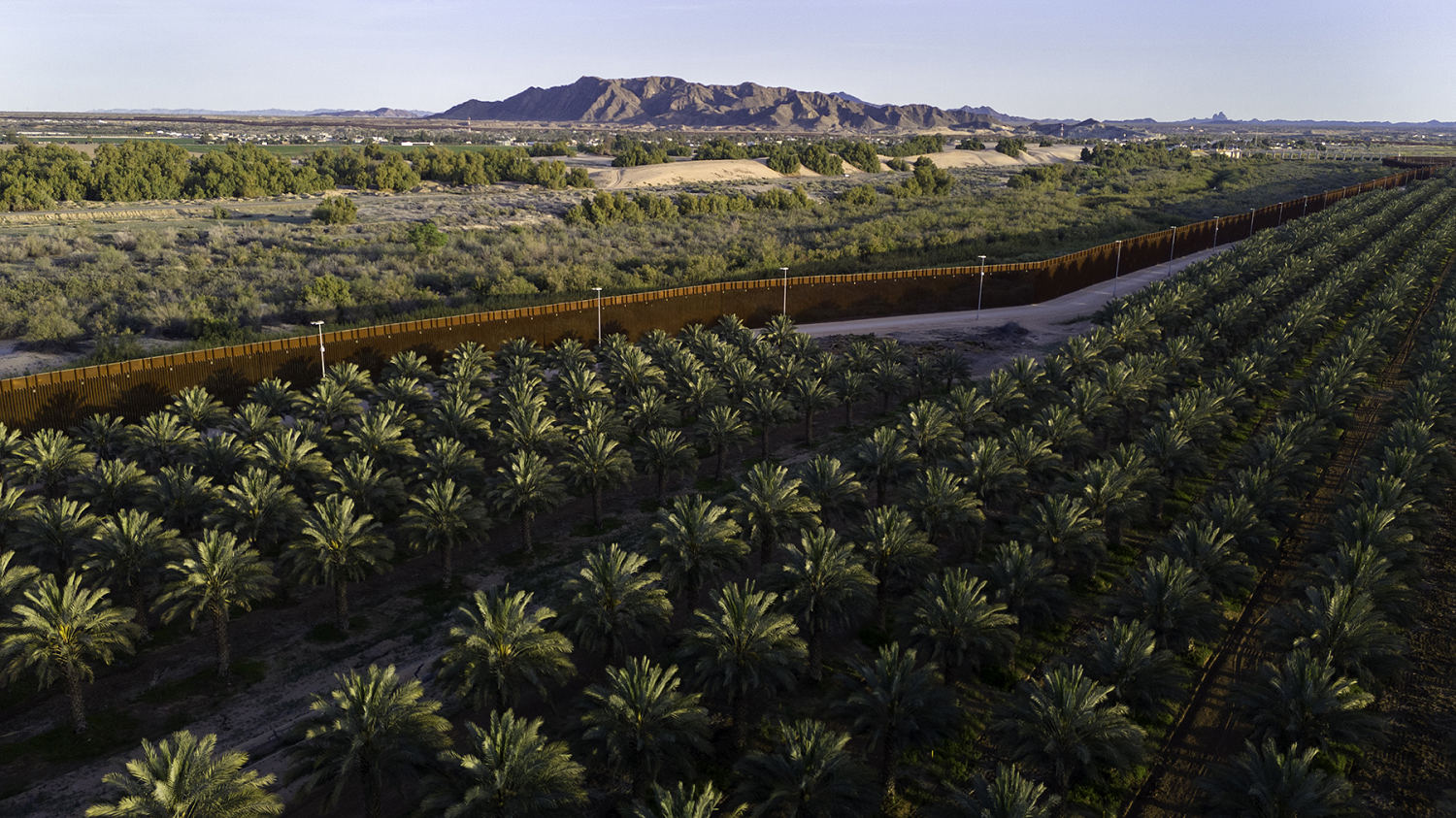
Dan Thelander, another farmer in the area, said that since CAP imposed water restrictions in 2022, he has only been able to use about half of the 6,000 acres his company farms to grow cotton, alfalfa and durum wheat.
The cuts have pushed him to try alternative crops. As an experiment for Bridgestone Tire, his company started growing guayule, a woody desert shrub that produces a natural latex.
“We have hopes that it will turn into a commercial crop,” Thelander said. “If you don’t irrigate it, it just kind of sits there and survives like a cactus would.”
Federal crop insurance is the reason he’s still in business at all, he said. With little hope of water returning, he’s ready to sell some of his property.
“Some land that we own is under option to be purchased by a solar company, and we’re definitely hoping that they exercise their option,” Thelander said.
The fight continues
Recipients of Colorado River water are divided into two categories: upper basin and lower basin. The former, the states above Lake Powell, do not face mandatory restrictions. But California and Nevada, Arizona’s lower-basin partners, do.
Nevada filed a lawsuit last week challenging the federal plans and asking a court to block their implementation.
“Southern Nevada could lose more than 70 percent of its already meager Colorado River allocation while the Upper Basin states of Colorado, Utah, New Mexico, and Wyoming are not required to contribute a drop,” Nevada Gov. Joe Lombardo said in a news release.
Arizona Gov. Katie Hobbs similarly said the bureau’s 10-year management plan leaves “unacceptable options” for her state, though she said the shorter-term, two-year plan would provide stability.
However, “Arizona has the same issues” as Nevada, Porter said. “That’s made me wonder if Arizona will also bring a lawsuit. I wouldn’t be surprised.”










Leave a Reply