

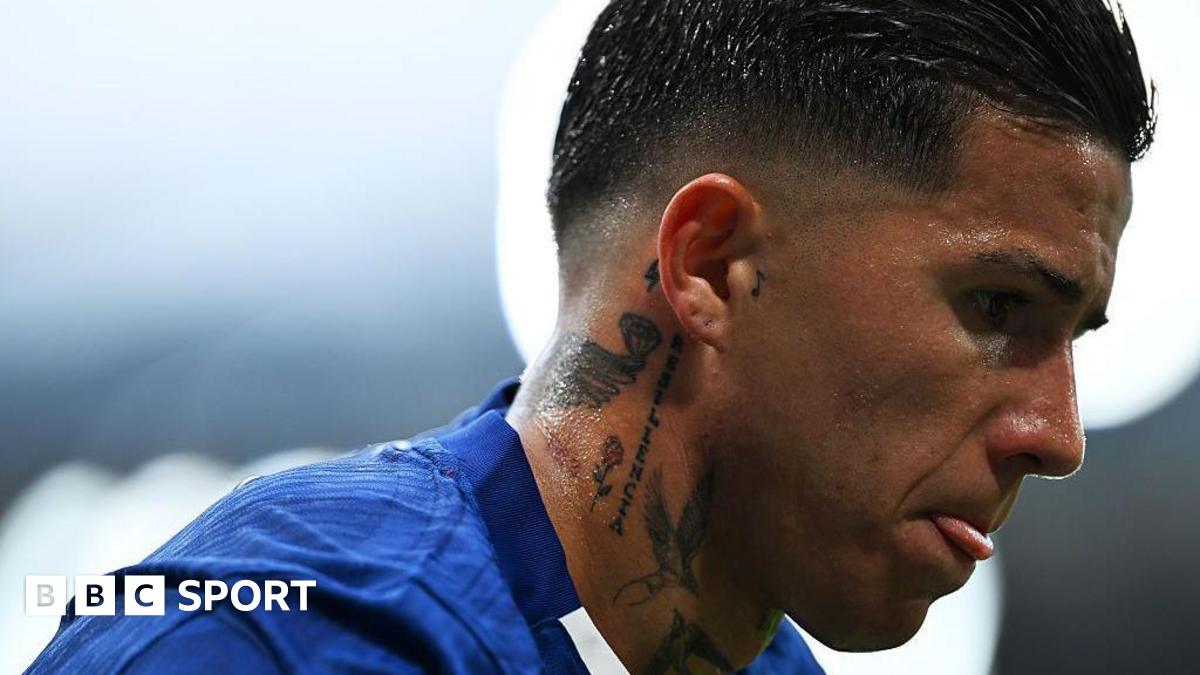
Chelsea may have won the football lottery twice but, this time, the return on investment under owners Todd Boehly and Clearlake Capital is being questioned.
Chants of “we don’t care about Clearlake, they don’t care about us, all we care about is Chelsea FC” are increasingly becoming the anthem of a turbulent season.
There have also been previous chants of “Roman Abramovich” but those recollections are rose-tinted, particularly towards the end of the Russian oligarch’s reign, where Chelsea were widely regarded as a cup team and had lagged behind their rivals in terms of revenues.
The £490.9m turnover last season was Chelsea’s second highest on record but still lagged well behind their rivals in the so-called ‘big six’. That gap needs to be bridged as debt grows within the parent company.
Inside Chelsea they say debt is part of a highly-structured investment approach, common in elite sport, and there is a long-term plan for sustainability.
Still, Chelsea spent the most on agents’ fees and the third most on both transfers and wages last season, despite a reduction in overall spending following the unprecedented outlay in the early BlueCo years.
The cost remains evident through a league-high ‘amortisation’ bill – where they have spread transfer fees across the length of a contract up to five years – of more than £200m.
What has been squandered by this ownership is the strong Profit and Sustainability Rules (PSR) position they inherited. More than £1.5bn has been spent on talent, but the return in terms of consistent success in the Premier League has yet to materialise.
Chelsea are looking to add some experience to their squad at the end of the season, but more drastic decisions are not being discussed openly, with mid-campaign decisions to be avoided, especially with an FA Cup final still to come.
Yet, club sources have also stressed that accountability across the organisation is embedded through annual reviews and could draw in anyone at any level should poor performance be identified.
The possibility of star players such as Palmer, Moises Caicedo and Levi Colwill being sold is constantly denied by the club, but some player sales have always been necessary, since Abramovich and into the BlueCo era, to balance the books.
“Chelsea have always been very successful in terms of player sales, which have generated substantially more money for the club than ticket sales over the last decade,” Maguire said.
“The 22 Holdco business model is similar to that of a hedge fund in that signing young players on long-term contracts can be profitable and reduces the chances of players leaving on a Bosman deal for no fee.”
However, everything is threatened, even attracting a new high-profile manager, without Champions League football.








Leave a Reply