

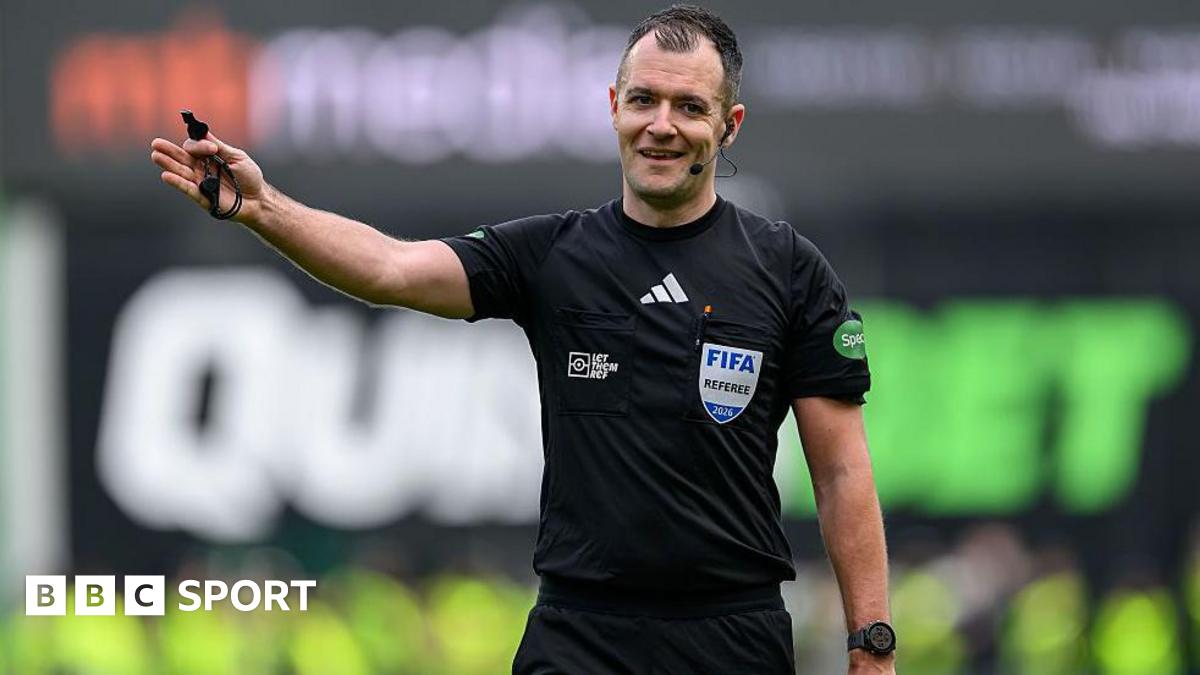
The rumour and speculation of supporters was tested to its limits on Wednesday when Celtic were given a hugely controversial and crucial stoppage-time penalty at Motherwell, given after a video assistant referee (VAR) review.
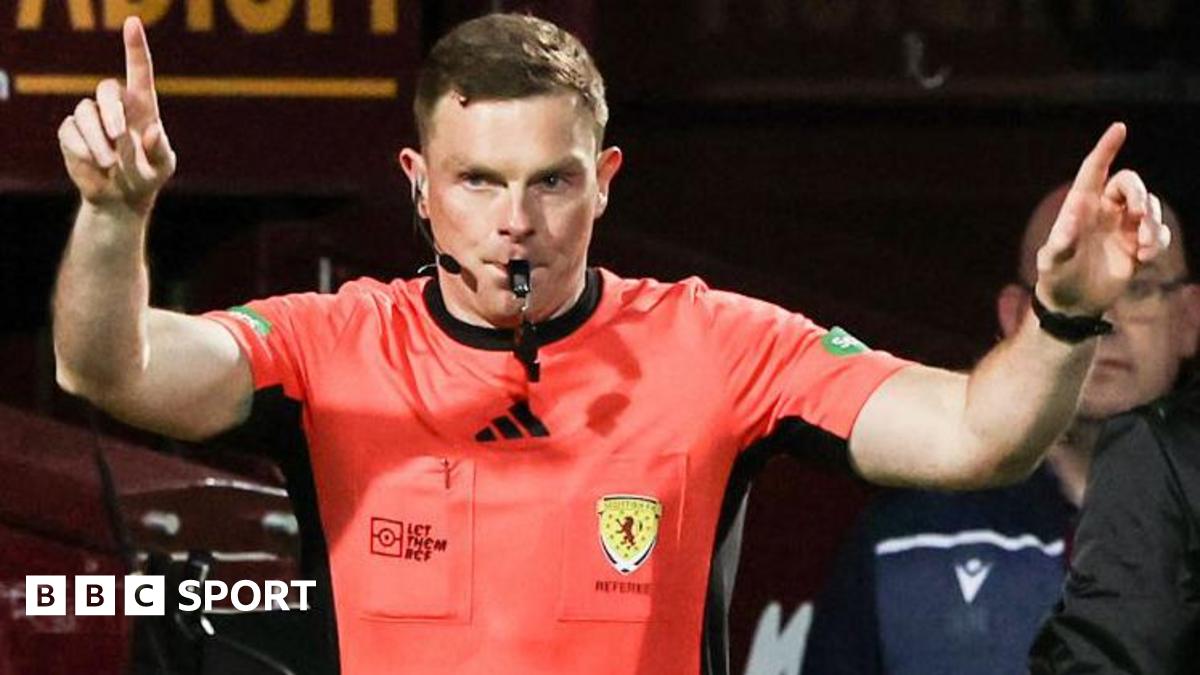
The VAR, Andrew Dallas, had sent referee Beaton to the pitchside monitor for handball against Sam Nicholson.
Kelechi Iheanacho despatched the spot-kick, giving Celtic a 3-2 win and changing the complexion of the final day of the season.
Any victory would now give Celtic the title. Without the VAR penalty at Fir Park, Martin O’Neill’s men would have needed to win by at least three goals.
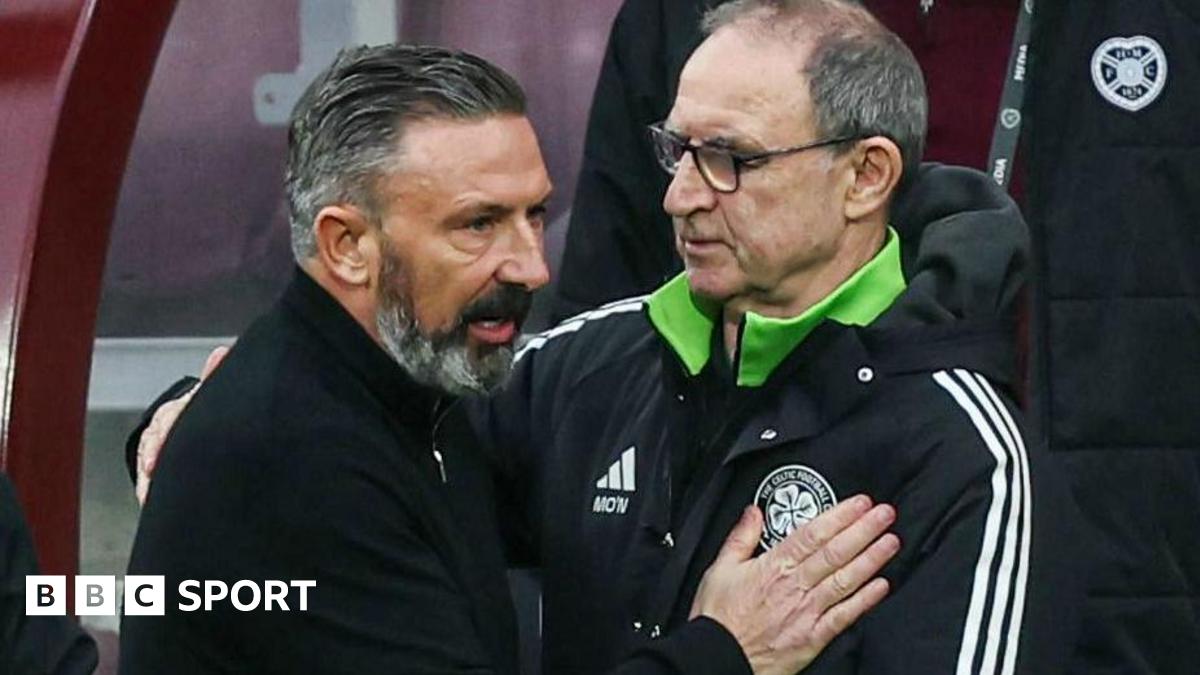
Hearts boss Derek McInnes called the penalty given to Celtic “disgusting”, and has suggested they are not getting their fair share of decisions.
“We’re up against it, we’re up against everybody,” McInnes said.
In the aftermath, social media was full of doctored images trying to prove either that the referee had got the decision wrong or made a mistake.
Later, Hearts’ owner The Foundation of Hearts issued a statement, external saying that it was “extremely concerned by a number of refereeing and VAR decisions” in recent weeks.
It added that it was calling on “those responsible for the officiating of Saturday’s match to ensure that the highest standards of decision-making are applied”.
Then, on Friday afternoon, the Scottish FA’s revealed Beaton and his family had needed police protection.
“This is the consequence of a hysterical media narrative, fuelled by irresponsible knee-jerk post-match media interviews, commentary and official social media posts,” the SFA said.
“Referees are not infallible. Mistakes will be made on the field, and subjective calls made in front of the VAR monitor, just as managers will pick the wrong team, goalkeepers concede soft goals and strikers miss from five yards out. Yet the reaction to these inevitabilities could not be more contrasting.
“What happened yesterday is not an isolated incident. There are many examples of match officials being placed in harmful situations but with individuals fearful of speaking out lest it exacerbates the situation or causes further alarm to friends, family and colleagues.
“We will not allow this to become the norm. We will not allow a situation where match officials require special provision to protect their children at school to be considered an occupational hazard. We will not allow a situation where staying at home with the front door locked and avoiding the hazards of public interaction becomes a coping strategy.”

Leave a Reply