

The years that directly succeeded the COVID pandemic were marked by a dire, almost apocalyptic view on the future of cinemagoing. Audiences who were already thinning out before global lockdowns became even scarcer, with streamers growing their market share and smaller arthouse cinemas closing down as audiences failed to return through their doors once they reopened.
Yet, in the last two years, this sentiment of sheer doom has slowly and steadily begun to give way to a tentative yet very much present hope. The same pandemic years that decimated older arthouse audiences have brewed a new generation driven by a cinephilia built upon internet archives, social media and platforms like Letterboxd, with young film fans queuing up for repertory screenings and special events in major U.S. capitals and other cities around the world.
Speaking at the Costa Rica Media Market, Senior Vice President of Acquisitions and Business Development at Utopia Distribution, Charlie Sextro, explained how this phenomenon helped reshape Utopia’s release strategy in the last year.
Sextro, who served as Sundance Film Festival’s senior film programmer and curator for 13 years before joining Utopia in March of 2025, said it is a “very difficult time right now” for releasing films. “In the United States, it is maybe as tough as it’s ever been to really connect and get traction, but I feel like everything is being destroyed right now to be rebuilt into something new.”
“What I love is that it really feels like it’s based on young audiences falling in love with arthouse movies and going to independent films,” he added. “The independent film world has always been driven by older audiences — that was the cornerstone of releasing a foreign language or arthouse film. But that went away with COVID, and we now have this young generation that is driving arthouse, which, to me, is the dream. It’s what I’ve always wanted in my life. Young cinephiles are the greatest thing in the world, so I am incredibly hopeful about what’s coming.”
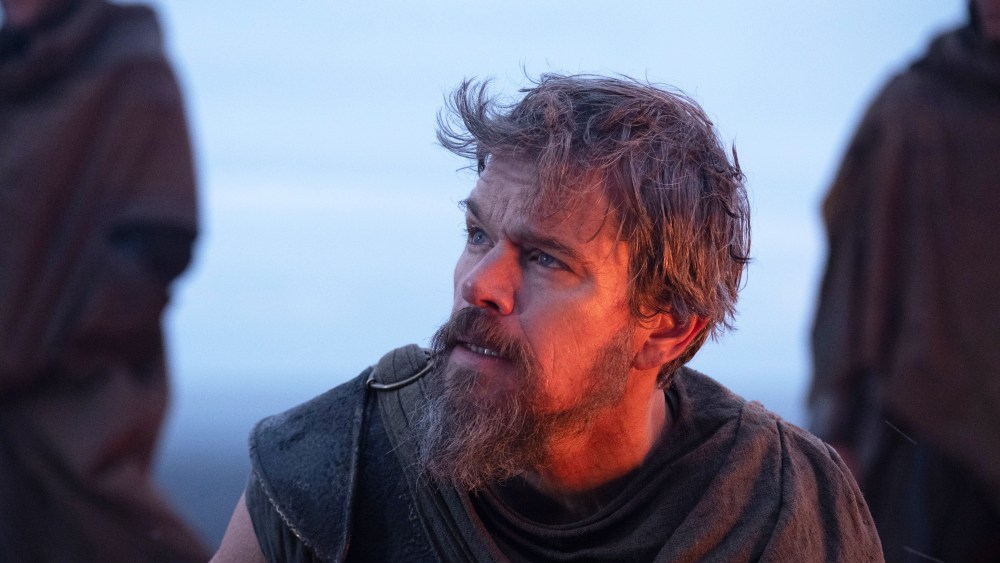
The exec brought up the success of films like Curry Barker’s “Obsession” and Kane Parsons’ “Backrooms” to exemplify how everyone these days is looking for “fandom that can help drive excitement.” This notion has helped shape a recent pivot for Utopia Distribution, which will shrink its number of yearly releases in favor of dedicating more time to each film with heavily curated, event-driven strategies.

“Backrooms,” courtesy of Neon
“We’re a small company,” Sextro pointed out. “We’ve been around for about seven years, which is really long for an indie distributor. We used to release nine to ten movies a year, it was pretty regular, one campaign after another in that old school way of just putting a really well-reviewed film in theaters. That doesn’t happen anymore. So our pivot is that we’re pulling back on numbers because it’s not sustainable. We want to be transparent, and we need to change the way we release.”
Sextro said that, although it remains incredibly hard to “stick in movie theaters” with a small indie run, they can have success in “creating really cool events and eventivizing releases.” “What we’re doing now as a company is that we are going to release about four to five movies a year, where we are releasing only one movie at a time, and we’re willing to do a complicated roadshow style of release that most companies similar to us won’t do because it takes a lot of work. But we know that if you build something pure for an audience and don’t just fall into traditional ways, people show up and they love it. They love having something created especially for them.”
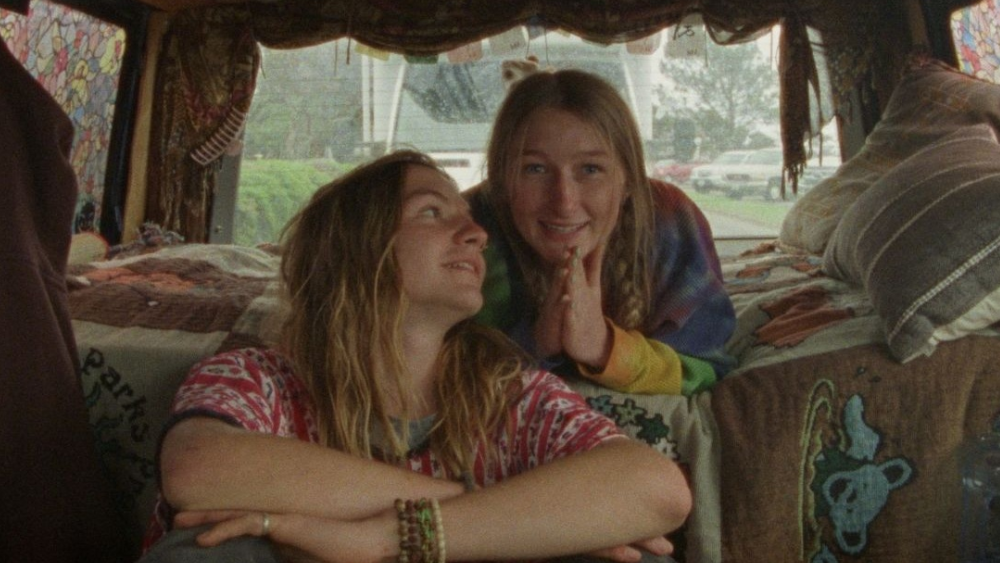
The veteran exemplified the strategy by bringing up their recent release of the Chloe Sevigny-produced doc “Summer Tour,” directed by Mischa Richter. Utopia decided to tour the documentary about The Grateful Dead fans for six weeks ahead of general release, playing solely in music venues and followed by a 90-minute live concert by the Grateful Dead cover band featured in the film.
“We’re creating material for six weeks before we go into art houses,” he said. “We use the first six weeks to promote the art house instead of just spending money. We’re creating revenue by generating events that [sell.] I always believe the movies are great, and there are audiences. The thing that needs fixing right now is how [films] are being connected to audiences.” How audiences are being engaged with movies is what needs to change from the old-school, traditional ways.”
Courtesy of Rafa Sales Ross
This shift is also a direct response to another industry-changing phenomenon: a dramatic decrease in VOD licensing. “In the past year alone, we’ve gotten no major streaming licensing deals from any of the streamers,” he said. “Every time they see our movies, they say [they] are too small. They’ve kind of given up on independent film, on arthouse film, and that has taken away a major point of money that was going to come into the release.”
“VOD and streaming like rentals, Amazon, Apple get smaller and smaller every year,” he went on. “There is no discovery of arthouse movies on Apple and Amazon.”
Asked by Variety about the reason for his visit to Costa Rica, particularly given Utopia has a varied catalogue but still almost no Latin American titles, Sextro emphasized the company is “agnostic.” “We release documentaries; we release foreign language films; we do release a lot of American indies.”
“In the United States, there is a massive Spanish-language-driven audience,” he added. “There are a lot of films where that is the highest percentage of ticket buyers, so there’s a massive space for it. We are open to the movies that we love, that we believe in, and that we see a potential audience for. That is the thing we are looking for in a movie, something where there is going to be passion within the release.”
The exec noted Utopia is looking for films led by filmmakers with a wealth of ideas. “We rely heavily on filmmakers to be partners in the release, generating ideas, helping us with the creative. The filmmakers are the ones with the best ideas because they’ve been living with these movies for years and years and years. Yes, I think there’s incredible potential in releasing Latin American films, even Spanish-language films in general, in the United States. It’s such a strong cause.”




Leave a Reply