

Welcome to From the Politics Desk, a daily newsletter that brings you the NBC News Politics team’s latest reporting and analysis from the White House, Capitol Hill and the campaign trail.
In today’s edition, we break down the key lessons from last night’s Wisconsin primary upset. Plus, Andrea Mitchell digs into the fraying relationship between President Donald Trump and Israeli Prime Minister Benjamin Netanyahu.
Sign up to receive this newsletter in your inbox every weekday here.
— Adam Wollner
3 takeaways from David Crowley’s comeback
Analysis by Adam Wollner
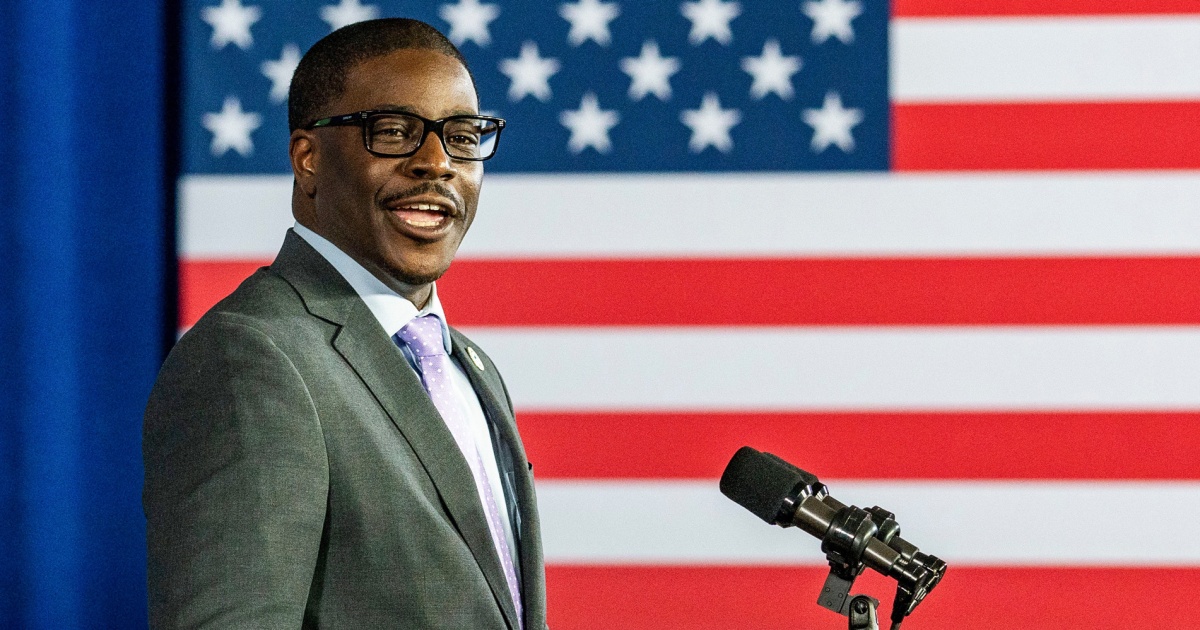
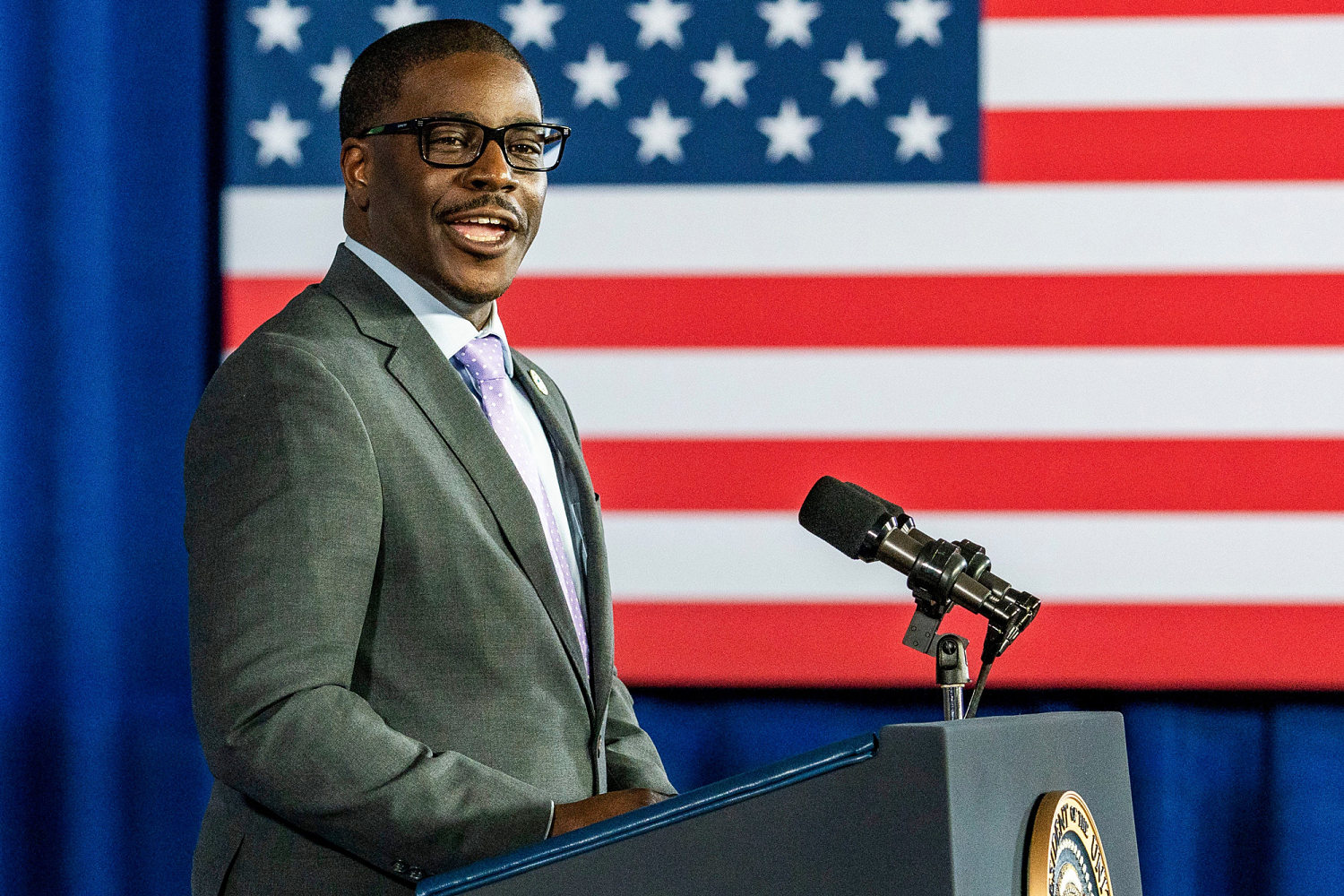
Five weeks ago, Milwaukee County Executive David Crowley dropped out of the Wisconsin governor’s race, saying “it has become clear that I will not be the Democratic nominee.”
Today, that’s exactly what he is. Crowley’s primary victory is one of the more astonishing political comebacks in recent memory. He relaunched his campaign 10 days after he ended it, as establishment Democrats embarked on a last-minute mission to stop the rise of state Rep. Francesca Hong, a democratic socialist.
Here are three reasons that help explain how he pulled it off.
1. An unusually volatile race. There were several twists and turns that shook up the final stretch of the primary. In addition to Crowley’s re-emergence, two other prominent contenders — Lt. Gov. Sara Rodriguez and former Lt. Gov. Mandela Barnes — also abruptly dropped out last month.
Left with two leading candidates in Hong and Crowley, neither of whom had ever run statewide, a large chunk of the electorate didn’t decide who they were backing until late. A Marquette University Law School poll conducted July 22-27 showed that a third of primary voters were undecided and 16% backed Barnes, who would end his campaign days later. The survey showed Hong at 38% — close to her final vote share, as Bridget Bowman points out — and Crowley at 7%.
That suggests undecided voters who weren’t previously tuned into the mid-summer contest swung sharply to Crowley in the closing days.
2. Democratic voters still prize electability. Another important development that happened after the well-regarded Marquette poll was in the field: Hong underwent more intense scrutiny. During a series of national interviews, Hong was pressed on — and walked back — some of her past controversial positions, fueling concerns she was too far outside the mainstream to win a general election in the swing state.
That argument was furthered by Tony Evers, the popular outgoing two-term governor, as he barnstormed the state with Crowley.
Madison voter Ali Plummer told Shaquille Brewster that she backed a lot of Hong’s policies, but ultimately cast her ballot for Crowley because she’s a “risk-averse person.”
“In the primary, you want to vote for your conscience, but I really was like, we’d have to beat Tom Tiffany, so I voted for David Crowley,” Plummer said.
3. The importance of TV ads. As far as competitive statewide contests go, Wisconsin didn’t see much in the way of ad spending. But the ads that did air were largely pro-Crowley leading up to primary day.
Crowley’s campaign and allied outside groups spent $4 million on ads after he got back into the race. By comparison, Hong’s campaign and groups supporting her spent less than a half-million dollars on ads throughout the primary — none of which ran on broadcast or cable TV.
Even though campaigns have been forced to adapt to an increasingly fractured media environment, old-fashioned TV ads have not outlived their usefulness.
🗳️ More from last night’s primaries:
- Minnesota Senate: Progressive Lt. Gov. Peggy Flanagan defeated moderate Rep. Angie Craig in the Democratic primary. She will face former NFL sideline reporter Michele Tafoya in November.
- Minnesota governor: State House Speaker Lisa Demuth won the Republican nomination, defeating Mike Lindell and setting up a general election matchup against Democratic Sen. Amy Klobuchar.
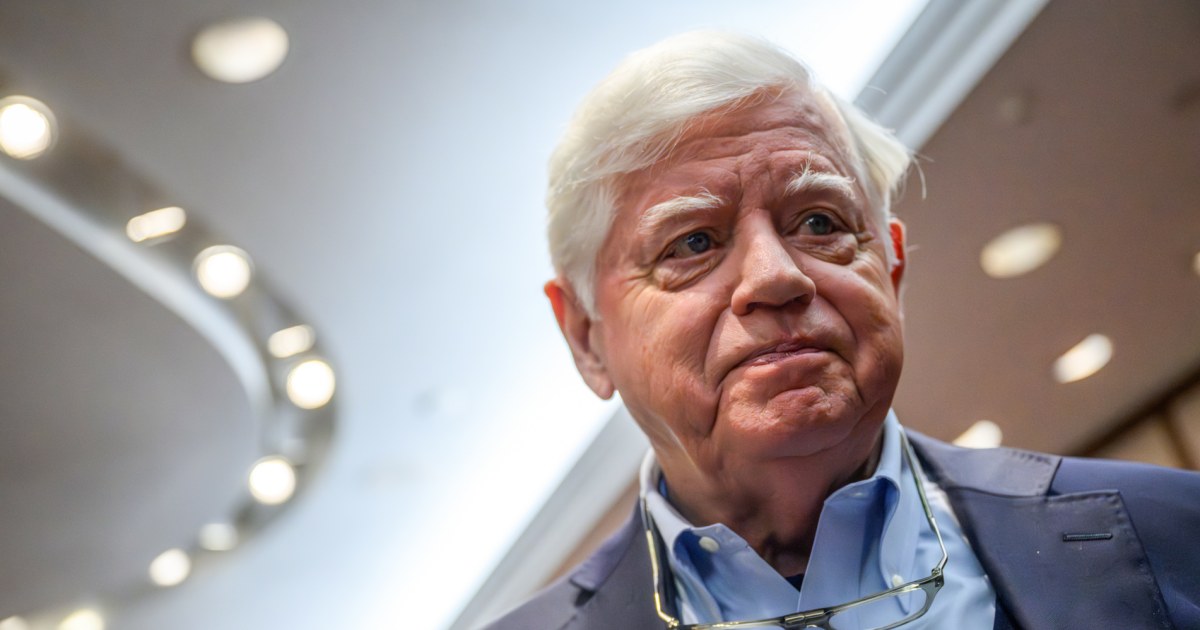
- Connecticut’s 1st District: Rep. John Larson became the 10th House incumbent to lose a primary this year, falling to former Hartford Mayor Luke Bronin, who had called for generational change.
- Wisconsin’s 3rd District: Rebecca Cooke won the Democratic nomination, setting up a rematch against GOP Rep. Derrick Van Orden this fall.
- South Carolina Senate: Sen. Darline Graham and Rep. Ralph Norman advanced to a runoff in the special Republican primary.
The troubled Trump-Netanyahu alliance
Analysis by Andrea Mitchell
What had once been a close alliance, if not a friendship, between President Donald Trump and Israeli Prime Minister Benjamin Netanyahu seems to have gone off course.
As Netanyahu faces what could be an existential election showdown at the end of October, and Trump is mired in a military stalemate with Iran that could jeopardize Republican hopes in the midterms a week later, their political goals are diverging.
That was apparent during the prime minister’s trip to Washington last week to attend the funeral of the late Sen. Lindsey Graham. Extending his visit for two more days, Netanyahu and Trump exchanged the requisite public expressions of solidarity during an Oval Office meeting. And, perhaps for security reasons, Trump extended Netanyahu the privilege of staying literally across the street in Blair House, the official guest house, enabling easy access for top White House and Cabinet officials to come over for meetings.
Still, fractures became apparent in their once rock-solid relationship. With questions swirling about a profanity-laced phone call Trump had in June with Netanyahu about Israel’s continued strikes in Lebanon, their military strategies in the region are no longer aligned. Netanyahu was cut out of the June memorandum of understanding that U.S. negotiators and their Arab intermediaries reached with Iran for what was to be a six-week ceasefire while the adversaries pursued a longer-term nuclear agreement. The ceasefire did not hold.
More recently, it is not clear that Trump ever mentioned during last week’s Oval Office meeting that the White House would be announcing a purported disarmament agreement for Gaza two days later.
It was billed as a breakthrough — the second phase of last fall’s Gaza agreement, which paved the way for the exchange of Palestinian prisoners of war for the remaining Israeli hostages. Now, according to senior administration officials, Hamas would disarm and relinquish power in Gaza as Israel gradually withdrew from the strip. An international stabilization force —still unspecified — would monitor the ceasefire, while an unnamed verification committee would oversee Hamas’ disarmament. The White House also proclaimed a major achievement for its much-heralded Board of Peace.
The announcement was so lacking in specifics that analysts speculated it was timed to distract from the failure to reopen the Strait of Hormuz and obtain a ceasefire with Iran. On a promising note, Hamas seemed to offer its provisional agreement. But for several days, there was official silence from Israel.
Then, after it was denounced by Netanyahu’s two right-wing national security ministers, key members of his coalition government, the prime minister flatly rejected the 15-point plan as a nonstarter. He made it clear that Israel will not withdraw from Gaza before Hamas disarms. And while the original deal had called for Israel to occupy only 53% of Gaza, it has taken back more than 70% of the territory. Israel also won’t agree to Hamas turning its weapons over to a Palestinian police force, as the plan envisions.
Since Netanyahu’s verbal blast, Trump has commented on the Lincoln Memorial Reflecting Pool controversy, the successful confirmation of Attorney General Todd Blanche and his covert departure from last month’s NATO meeting in Ankara. As of now, he has said nothing about his erstwhile partner in the war against Iran.
🗞️ Today’s other top stories
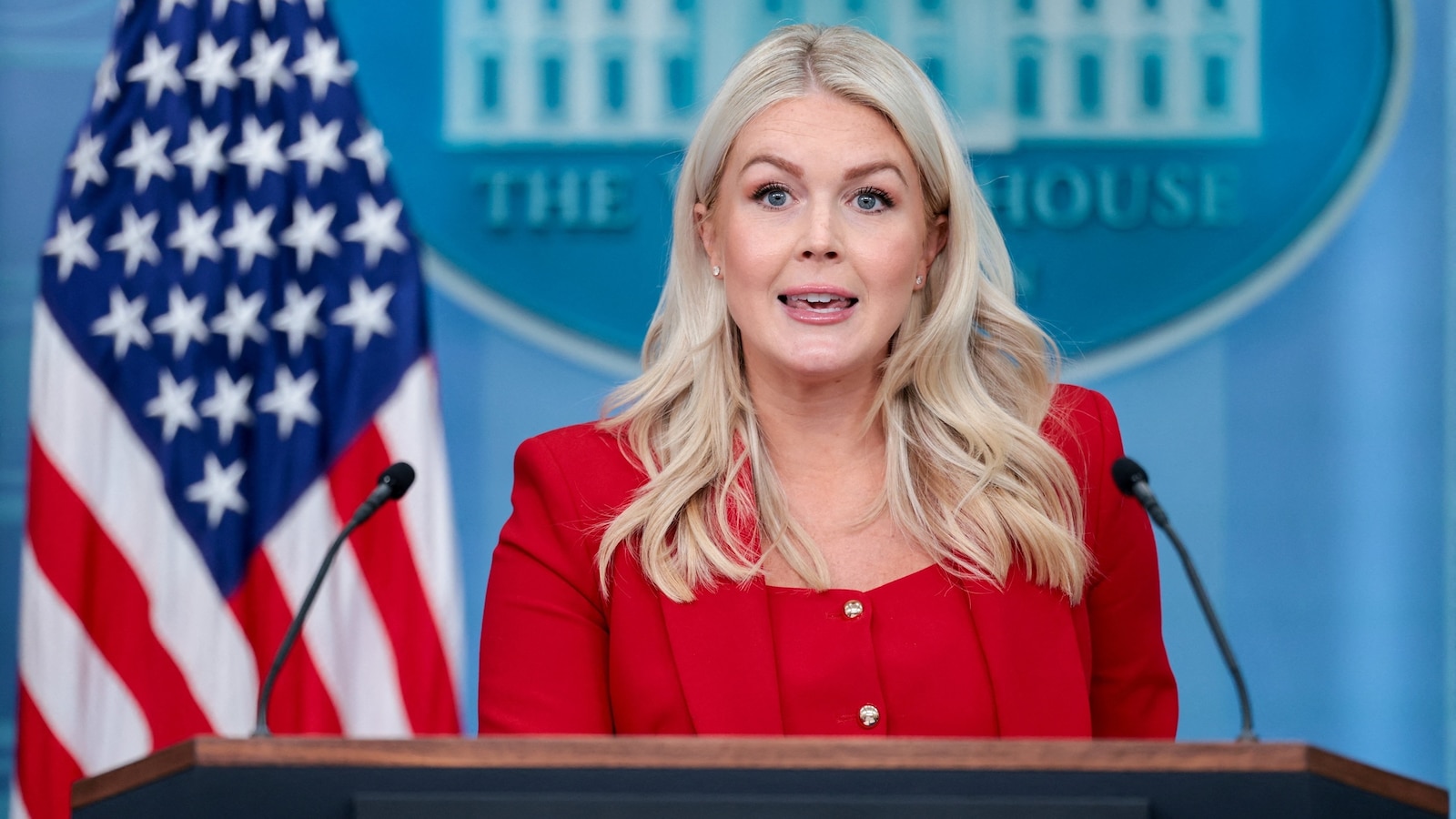
- 🎤 Stepping aside: White House press secretary Karoline Leavitt will depart her role at the end of the month. Read more →
- 💲 Inflation watch: Inflation remains above the rate of wage growth amid volatile energy prices, with one economist warning of “some belt-tightening ahead” for lower- and middle-income Americans. Read more →
- ✈️ Escape plan: After being warned of an Iranian assassination plot potentially involving a shoulder-fired missile aimed at Air Force One, Trump huddled with senior advisers in Turkey in the final hours of the NATO summit last month to determine how he would make it home safely. Read more →
- 🗳️ Vote watch: The Trump administration told state officials it will offer some of the election security aid it has slashed over the last year and a half. Some Democrats say it’s “too little, too late.” Read more →
That’s all From the Politics Desk for now. Today’s newsletter was compiled by Adam Wollner and Lauren Zola.
If you have feedback — likes or dislikes — email us at politicsnewsletter@nbcuni.com
And if you’re a fan, please share with everyone and anyone. They can sign up here.





Leave a Reply