

As his self-imposed Tuesday night deadline for Iran to make a deal or face massive U.S. attacks draws closer, President Donald Trump’s threatening rhetoric is becoming increasingly ominous, with a seemingly apocalyptic warning that a “whole civilization will die tonight” if Tehran doesn’t agree to his demands.
“A whole civilization will die tonight, never to be brought back again. I don’t want that to happen, but it probably will,” Trump wrote on his social media platform.
At the same time, continuing a series of mixed messages, Trump said “maybe something revolutionarily wonderful can happen” now that the U.S. is dealing with “different, smarter, and less radicalized” leaders in Iran.
“We will find out tonight, one of the most important moments in the long and complex history of the World,” the president wrote.
Trump’s issued an ultimatum to Iran to make a peace deal that includes reopening the critical Strait of Hormuz by 8 p.m. ET, or face bombardment of its critical infrastructure — including all its bridges, power plants and desalination facilities.

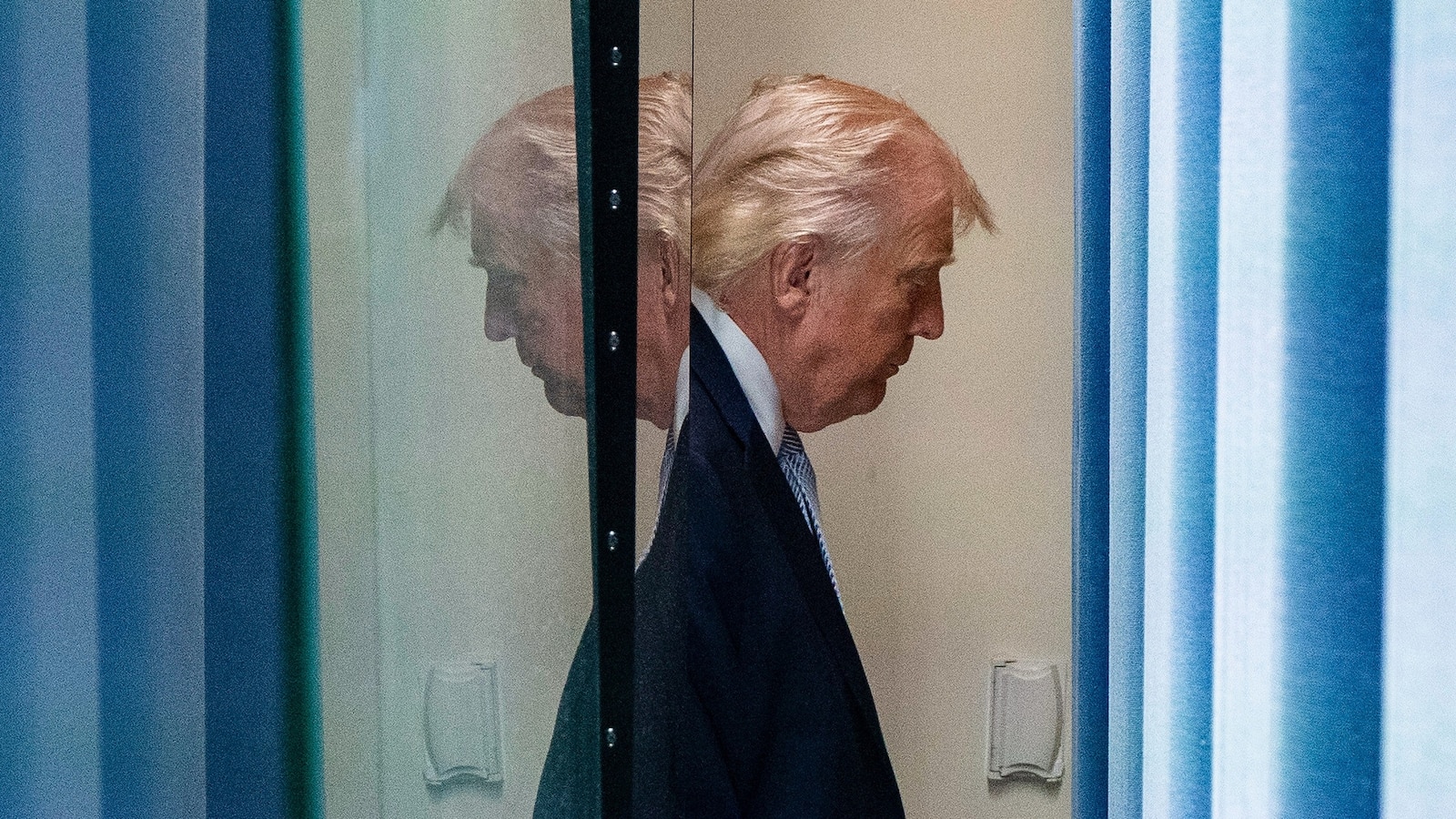
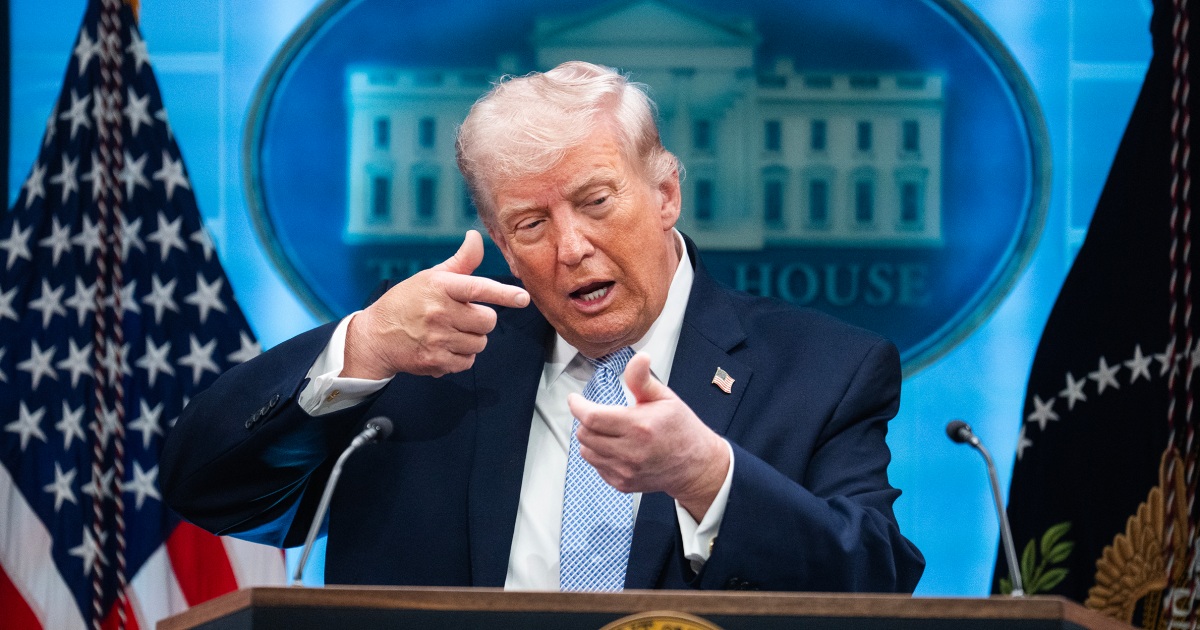
President Donald Trump departs after speaking with reporters in the James Brady Press Briefing Room at the White House, April 6, 2026, in Washington.
Alex Brandon/AP
Trump first threatened to target Iran’s civilian infrastructure on March 21, saying the sites would be hit in 48 hours if no deal was made. He’s backed away and extended the deadline several times, citing what he described as successful talks.
But the past few days, he’s ratcheted up his threats. On Sunday, he told ABC News Senior Political Correspondent Rachel Scott that “we’re blowing up the entire country” if no agreement was reached.
On Monday, he told reporters in the White House briefing room that “the entire country could be taken out in one night” and the U.S. had plans that could wipe out Iran’s power plants and bridges, sending it back to the “stone ages,” within four hours.
In the background, negotiations were taking place between the U.S. and Iran via mediators like Pakistan.
According to a U.S. official and another person close to the ongoing talks, mediators are attempting broker a 45-day ceasefire between the U.S. and Iran ahead of Trump’s Tuesday deadline. Iran signaled it would not accept the mediators’ proposal on Monday, responding instead with its own 10-point plan, which a U.S. official described as maximalist.
“We are dealing with them. I think it’s going well,” Trump said on Monday, adding that Vice President JD Vance and White House special envoy Steve Witkoff was involved in the negotiations.
“I think it’s going fine but we’ll have to see,” the president said.
Oscillating between threats of major attacks and talks of diplomacy, Trump was asked on Monday if the war was winding down or escalating.
“I don’t know. I can’t tell you,” he told reporters. “It depends what they do. This is a critical period.”
The New York Times and others reported on Tuesday that Iran told Pakistan it was no longer engaging in ceasefire talks. ABC News has not confirmed the report.
The White House, responding to the reports, told ABC News that the “only the president knows where things stand.”
“The Iranian regime has until 8 p.m. Eastern Time to meet the moment and make a deal with the United States. Only the President knows where things stand and what he will do,” White House press secretary Karoline Leavitt said in a statement.

A man stands with an Iranian national flag along an intersection at Valiasr Square in Tehran, April 6, 2026.
Atta Kenare/AFP via Getty Images
Tehran has vowed a “regret-inducing” response should the U.S. wipe out its energy infrastructure. The Islamic Revolutionary Guard Corps on Tuesday told neighboring Gulf countries it will no longer show “restraint” in selecting regional targets for retaliation.
Iran’s deputy minister of sports and youth, Alireza Rahimi, invited people to form human chains around the country’s electricity power plants in a video message published on Monday, according to the government’s Telegram channel.
In the U.S., Trump’s increasingly grave threats have prompted some rare Republican pushback.
Sen. Ron Johnson, a Republican from Wisconsin, said he hopes Trump’s latest comments are “bluster.”
“I do not want to see us start blowing up civilian infrastructure … We are not at war with the Iranian people. We are trying to liberate them,” Johnson said on the “John Solomon Reports” podcast.
Some experts have warned that possible attacks on civilian infrastructure could constitute a war crime and violate international law.
“I’m not worried about it,” Trump said on Monday. “You know what’s a war crime? Having a nuclear weapon. Allowing a sick country with demented leadership have a nuclear weapon, that’s a war crime.”
ABC News’ Somayeh Malekian, Shannon Kingston and Justin Gomez contributed to this report.









Leave a Reply