

As President Donald Trump’s 8 p.m. ET Tuesday deadline for Iran to strike a ceasefire deal with the U.S. approaches or face a massive attack, mediators are urgently trying to move both sides closer to a deal as major gaps remain, according to multiple sources familiar with the state of negotiations.
With just hours to go until the deadline, the prime minister of Pakistan — one of the key mediators attempting to the end the conflict — issued a public call to Trump, urging him to allow more time for negotiations.
“Diplomatic efforts for peaceful settlement of the ongoing war in the Middle East are progressing steadily, strongly and powerfully with the potential to lead to substantive results in near future,” Prime Minister Shehbaz Sharif said. “To allow diplomacy to run its course, I earnestly request President Trump to extend the deadline for two weeks.”

FILE – President Donald Trump, left, listens as Pakistan’s Prime Minister Shehbaz Sharif speaks during a summit to support ending the more than two-year Israel-Hamas war in Gaza after a breakthrough ceasefire deal, on Oct. 13, 2025, in Sharm El Sheikh, Egypt. (AP Photo/Evan Vucci, File)
The Associated Press
Sharif also implored Iran to open the Strait of Hormuz as a “goodwill gesture.”
A U.S. official says the dynamic proposed by Sharif mirrors confidence-building measures under discussion behind closed doors, but that it remains unclear whether either side would accept such terms.
White House press secretary Karoline Leavitt said in a statement that Trump has “been made aware of the proposal, and a response will come.”
Trump also told Fox News, in a phone interview, said he would be fully briefed on the proposal and called Sharif a “highly respected man.”
“I can’t tell you, because right now. We’re in heated negotiations,” Trump said when asked how he felt about the talks.
The Iranian regime’s reaction to Pakistan’s request was not immediately clear.

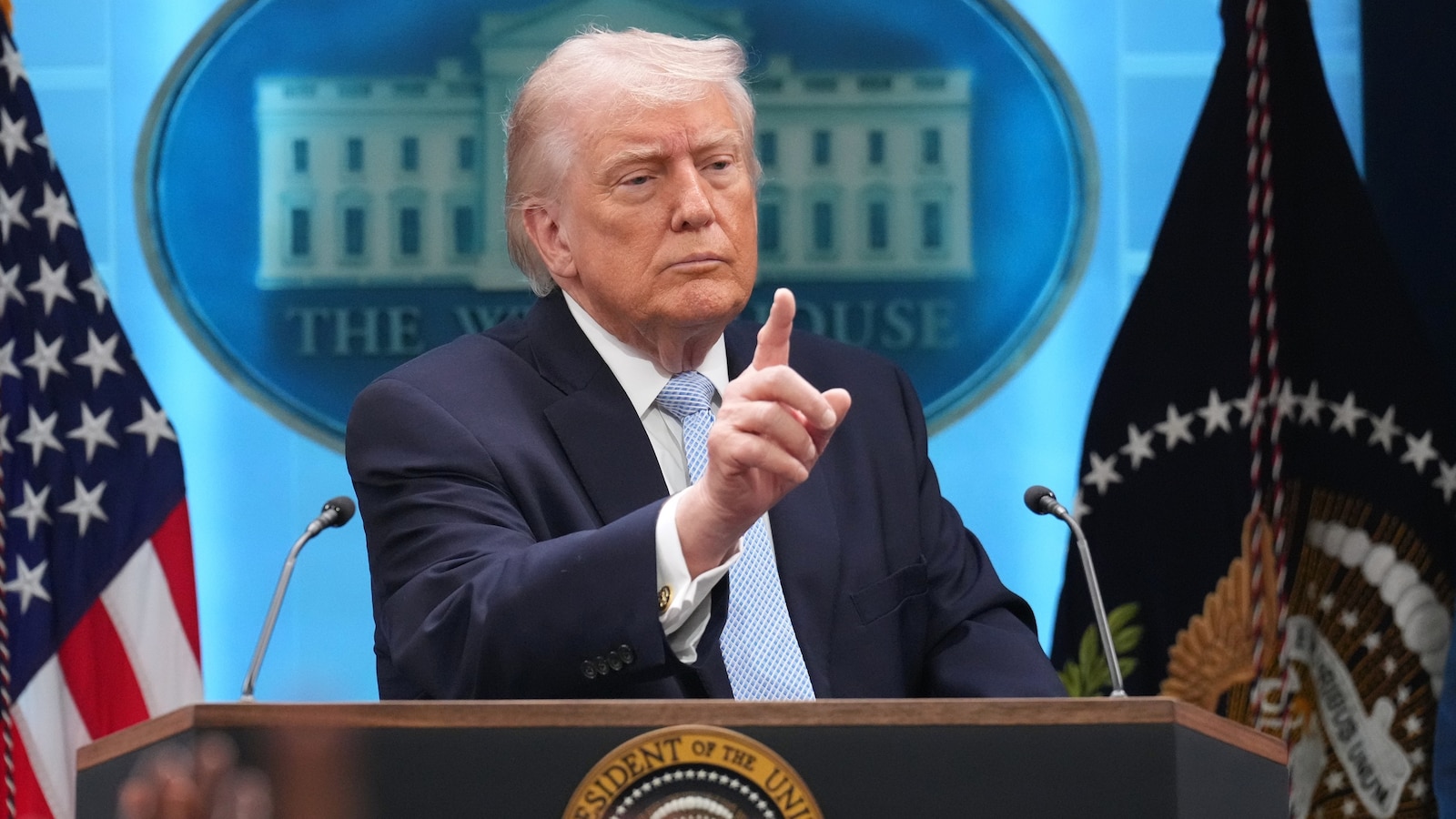
President Donald Trump speaks with reporters during a news conference in the James Brady Press Briefing Room at the White House, Monday, April 6, 2026, in Washington. (AP Photo/Mark Schiefelbein)
The Associated Press
Before Sharif’s proposal was made public, two U.S. officials cautioned that although talks showed signs of progress, the Trump administration and Iranian regime still appeared to be far apart on core issues, expressing doubt that a deal could be reached on such a tight timeline.
The officials said it was possible that indications of progress could persuade Trump to delay his deadline again, or potentially scale back his threat posted earlier Tuesday that Iran’s “whole civilization will die tonight,” but that ultimately the president would make that decision.
Earlier on Tuesday, the White House indicated the deadline was firm.
“The Iranian regime has until 8PM Eastern Time to meet the moment and make a deal with the United States. Only the President knows where things stand and what he will do,” Leavitt said in a statement.

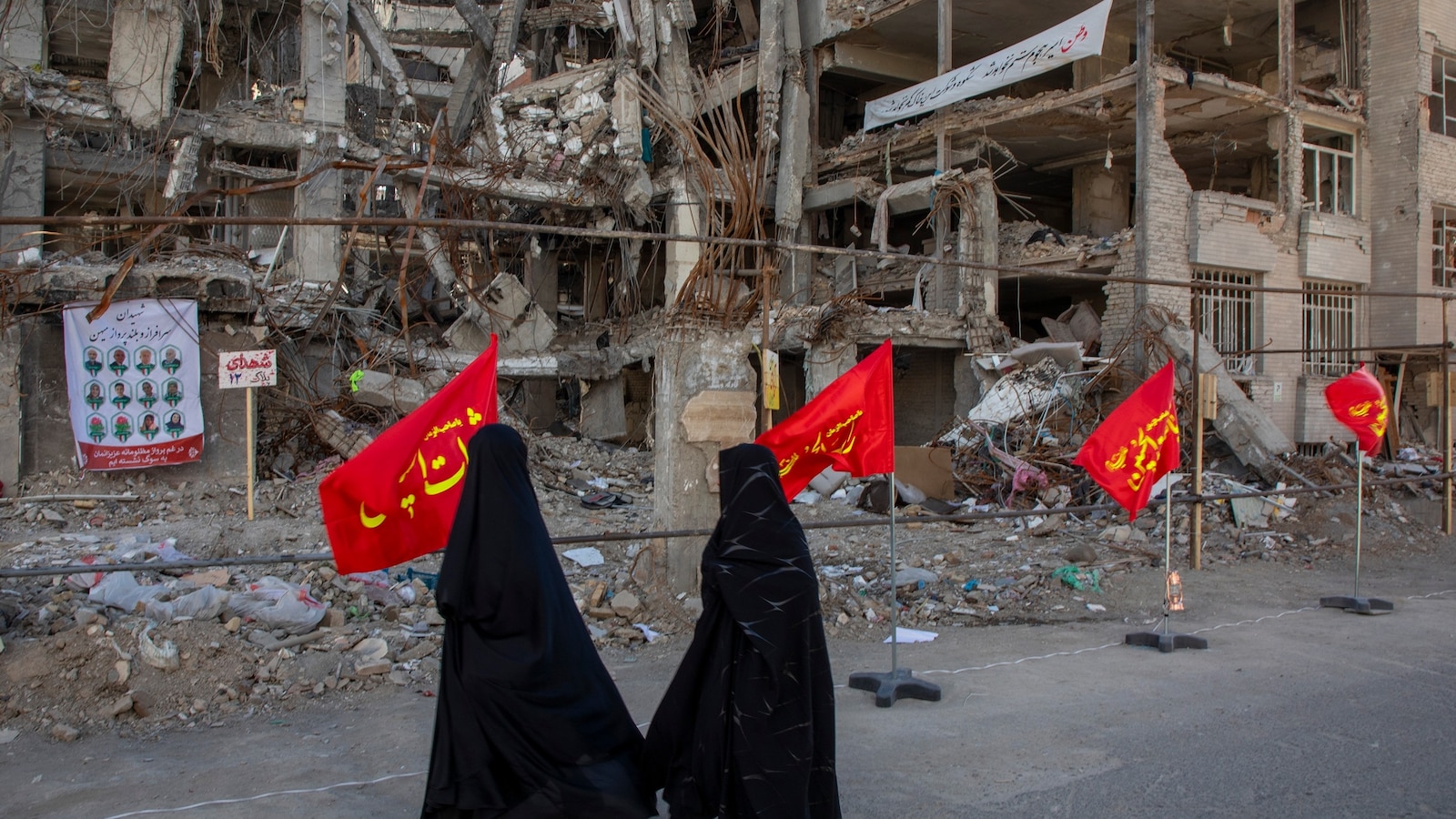
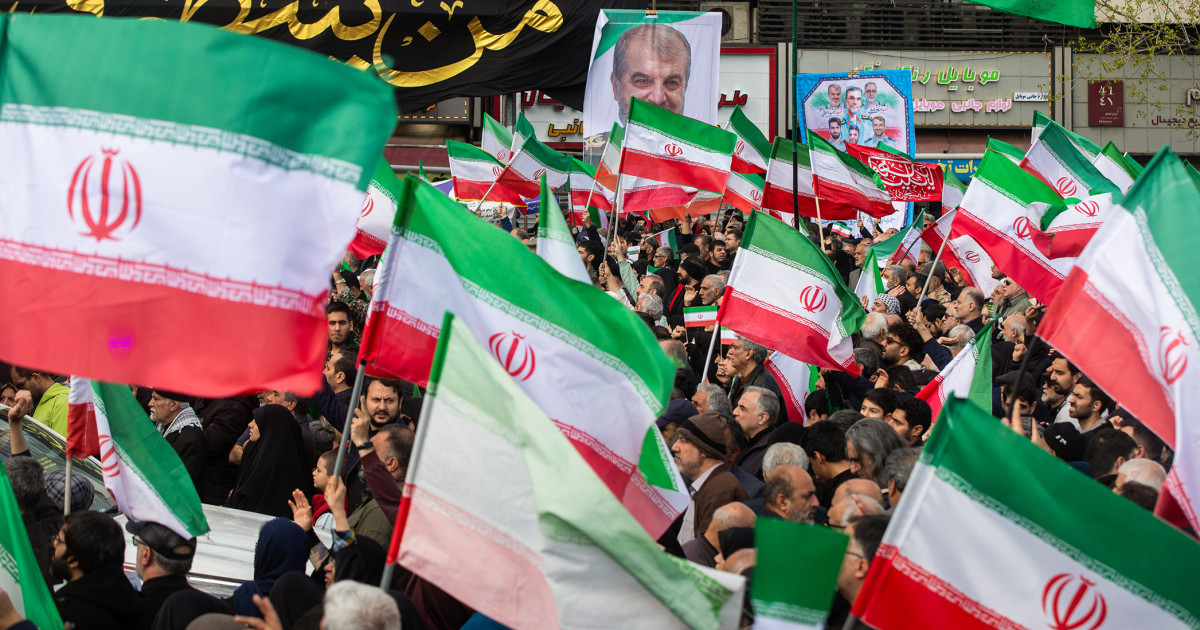
Iranian people attend a ceremony marking 40 days since schoolchildren were killed in a strike on a girls’ primary school in Minab, amid the U.S.-Israeli conflict with Iran, in Tehran, Iran, April 7, 2026.
Abedin Taherkenareh/EPA/Shutterstock
Fully reopening the Strait of Hormuz is a top priority for U.S. officials, who say any deal would have to lead to near-immediate progress on the front and that Iran cannot toll vessels transiting the vital shipping lane.
Mediators are trying to determine whether confidence-building measures similarly related to the waterway may be acceptable to both sides, but as of early Tuesday afternoon, they had yet to broker a compromise, according to two sources.
They said that such a measure could mirror the dynamic proposed by the prime minister of Pakistan, were a narrowly focused agreement sees the Strait of Hormuz fully opened for a set time in exchange for a ceasefire, but that it was unclear if either side would accept the terms.
Asked about the state of negotiations with Iran on Tuesday morning, Secretary of State Marco Rubio said he hoped “to have more news” on that front later in the day and called Iran’s control over the Strait of Hormuz “a big problem for the world.”
“The whole world’s been impacted unfortunately because Iran is violating every law known by striking commercial vessels in the Straits of Hormuz,” he said. “I mean this is a regime that doesn’t believe in laws, rules or anything like that — it’s a State Sponsor of Terrorism, so it’s not surprising that they’re now conducting terrorist activity against commercial vessels.”
Iran sees the Strait of Hormuz as equally important and has signaled publicly and in private negotiations that it is highly reluctant to agree to any terms that would see it losing leverage over the waterway.
After mediators issued a proposal for a ceasefire to both the U.S. and Iran early Monday, Tehran rejected the plan and responded with its own counterproposal –which stipulated that Iran would fully open the Strait of Hormuz but set the rules for passage through the waterway and extract a toll of $2 million per vessel, a situation the Trump administration has repeatedly said would be untenable.
ABC News’ Fritz Farrow contributed to this report.







Leave a Reply