

:max_bytes(150000):strip_icc():format(jpeg)/GettyImages-1310633738-a44676ff2b44490e9db8936c188ebcd8.jpg)
Wall anchors are essential tools for safely securing heavy wall-mounted items around your home. Not only that, but they also protect the surrounding drywall, give you flexibility of placement, and evenly distribute the weight of whatever you’re hanging, from floating shelves to flat-screen TVs.
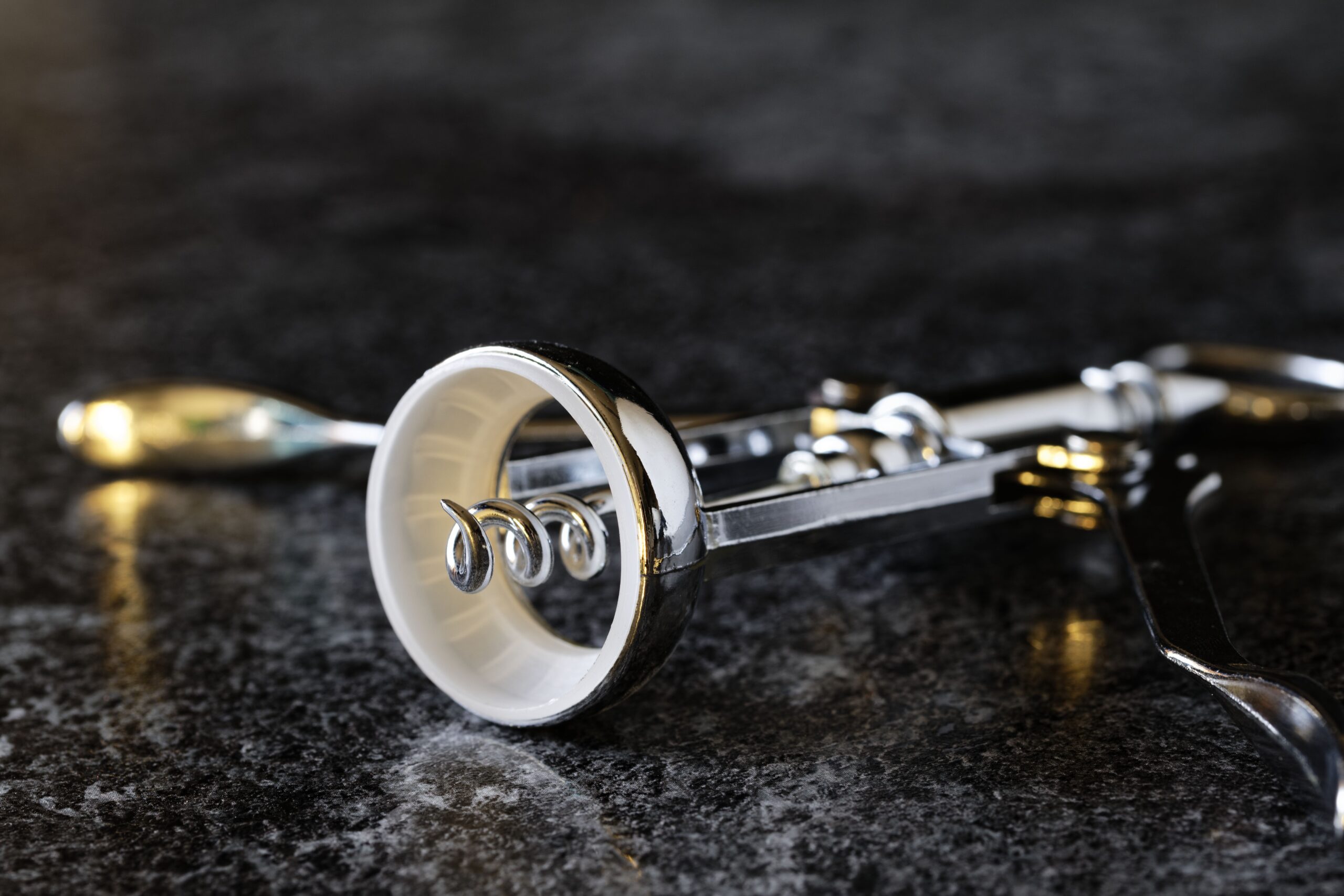
The process for removing these little gadgets involves removing anchors from the wall so you can patch and paint the holes. If you’ve ever wrestled with one, you know they’re much harder to remove than they are to install. The latest viral home improvement video shows an easy (and entirely unexpected) tool for removing pesky drywall anchors: a wine corkscrew.
Learn how to try the trend and which anchor types the bar tool supports. We’ve also included alternative anchor removal methods for those that can’t be pulled out with a corkscrew, so you’ll never have to battle with one again.
What Is the Wine Opener Hack, and Does It Actually Work?
DIY content creator @megank_home posted a viral TikTok video showing how she used a wine bottle opener to easily remove a drywall anchor from the wall. In under eight seconds, she shows off a typical corkscrew-style wine opener, inserts the end into the middle of the wall anchor, gives it a few twists, and slides the plastic piece right out of the wall.
On Instagram, content creator Orima Kamalu posted a reel showcasing the hack, which garnered an astounding 15.9 million views. Comments on both videos range from commending this brilliant idea to admitting to leaving the anchor in and patching over it. Depending on your specific situation, the latter may not be possible, especially if you’re a renter. So, if you have a corkscrew wine opener and a drywall anchor to remove, why not try it?
Before getting started, note that this trick won’t work for every type of wall anchor. Don’t attempt to remove metal anchors, like toggle bolts, or threaded plastic anchors with a wine opener. Instead, only use it on non-threaded plastic wall anchors, which are, fortunately, relatively common and more difficult to remove than threaded versions. One caveat to remember is that if the anchor you’re pulling out is very narrow, the corkscrew won’t fit.
How to Use a Wine Opener to Remove Drywall Anchors
Once you’ve determined that you’ve got the correct type of anchor for the job, follow these three easy steps to remove it.
- Insert the wine opener: Line the corkscrew tip up with the center of the anchor’s hole and carefully press the end in about an inch.
- Start twisting: Use the wine opener’s handle to turn the corkscrew clockwise, just like you would to open a bottle. Once it reaches the middle, you should feel it grab the anchor, indicating it’s time to move on to the final step.
- Remove the anchor: When you feel resistance, slowly begin pulling straight back. You may need to wiggle it gently, but the anchor should easily slide out from the wall with little assistance.
Other Ways to Remove Drywall Anchors
If you’re facing a threaded, metal, or too-small drywall anchor, try one of these techniques for effortless removal—no drill required.
- Pliers: Use needlenose pliers to remove small plastic anchors or molly bolts. Clasp the tips around the edge, wiggle the anchor from side to side, and simultaneously pull it toward you until it’s free.
- A screw: If you’re working with a toggle bolt or other type of metal anchor, press an appropriately sized screw roughly halfway inside. With either your fingers or a pair of pliers, grab the screw head and pull it (along with the anchor) straight out.
- A screwdriver or drill: If neither of those methods works, you can get more aggressive by carefully utilizing a screwdriver or drill to back the anchor out of the wall.
Finally, as a last resort, really stubborn anchors can be pushed further into or flush with the wall with a hammer, so you can at least patch the area to make it look as good as new.










Leave a Reply