

:max_bytes(150000):strip_icc():format(jpeg)/bhg-zillow-20-years-da6600e06a424393bd05d6e32cf97e1e.jpg)
Key Points
- Zillow data shows a shift from McMansions to smaller, flexible homes that prioritize function, privacy, and everyday livability.
- Beige, Tuscan interiors, and granite kitchens have given way to bold, personalized colors.
- Wellness, sustainability, and resilience now outrank media rooms.
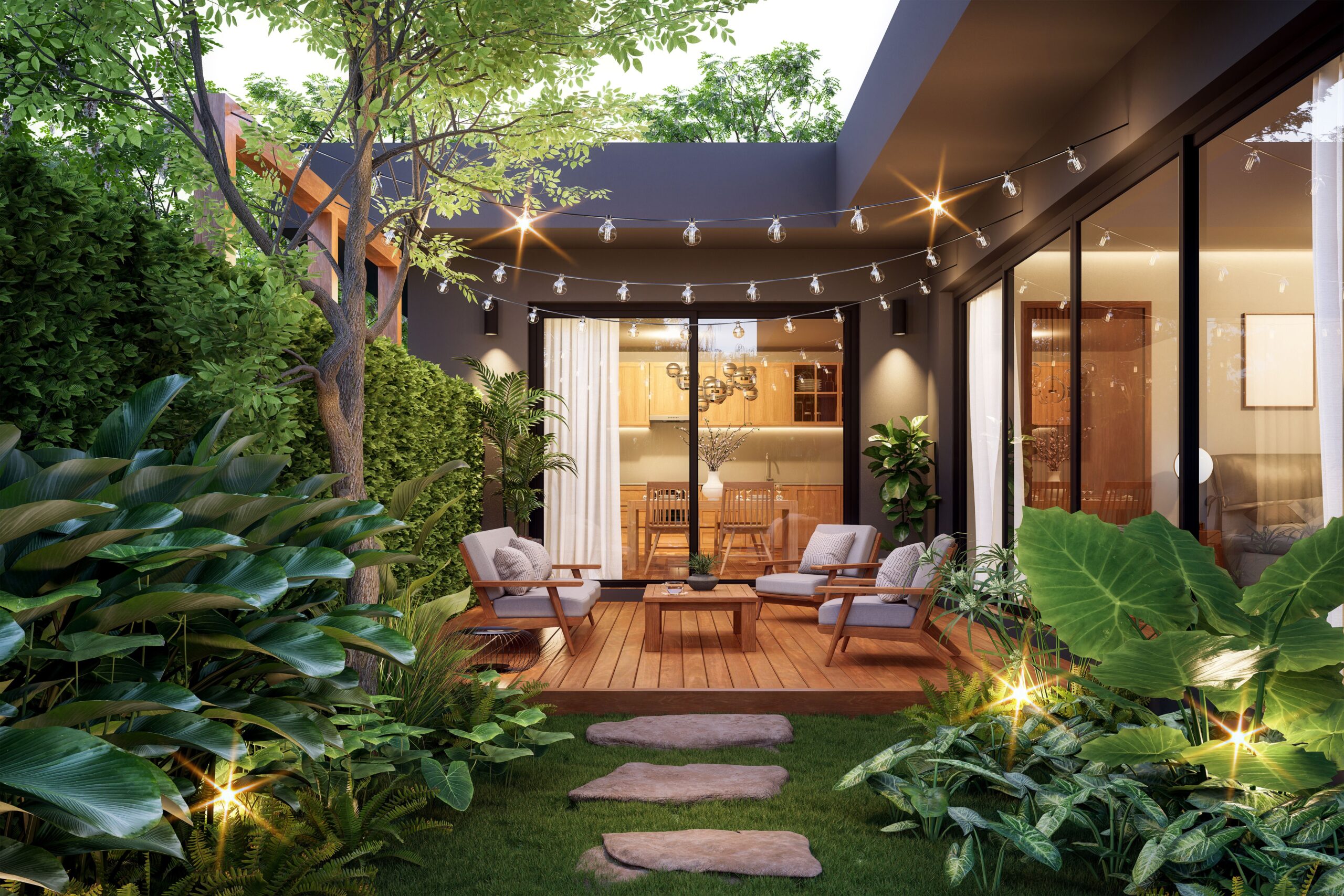
The ideal American home has undergone significant changes over the past two decades. In 2006, grandiose Tuscan mansions were the pinnacle of luxury and style. Now, that style has long since faded in favor of versatile, personalized homes that flex to fit buyers’ everyday needs.
“Two decades of Zillow data reveal a clear cultural shift,” said Zillow home trends expert Amanda Pendleton in the official press release. “American homes have shifted from status symbols to sanctuaries. Buyers are no longer chasing the biggest footprint or the glossiest finishes. Instead, they’re seeking homes that reflect who they are, how they live, and what they value.”
To celebrate its 20th anniversary, Zillow dug deep into its archives of the housing market from 2006 to 2026. The brand identified three main categories that have ultimately shifted—read below to discover what has changed.
1. No More McMansions
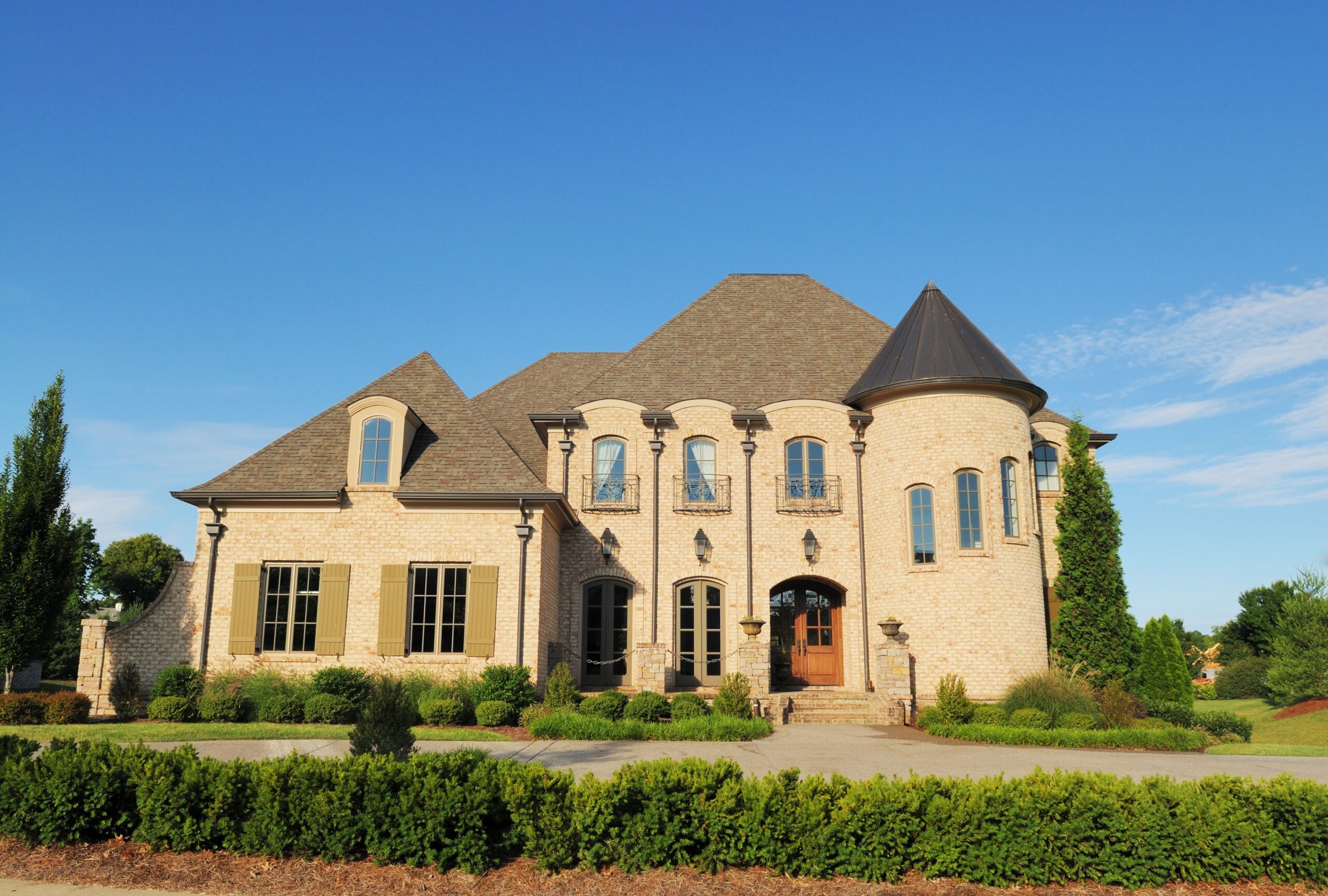
The “McMansion” dominated the architectural trends of 2006. These homes were all about being grand, impressive, and enormous, from the curb to the interior. McMansions looked to Tuscan, Mediterranean, and Colonial Revival details; arched entryways, towering columns, and colonial balconies stood proudly at the front of most of these homes.
Inside, luxury-inspired rooms made these homes feel even more indulgent. In-home theaters, jacuzzi-style tubs, and two-story formal foyers were the ingredients for a successful McMansion. Formal rooms and foyers served more as decoration than for everyday use; features like walk-in closets and bedroom suites would have appealed to buyers who wanted extra space and elegance.
In Favor of Smaller Homes
In 2026, these priorities have done a 180. Buyers are no longer interested in homes that are large just for the sake of it—they’d rather choose a smaller house that costs less to heat, insulate, and care for, Zillow said in the press release.
Open floor plans are losing favor; homeowners want intentional, private spaces they can make full use of every day. 20 years after the reign of the McMansion, it’s all about making your home work for your life, not the other way around.
2. Out with the Old, in with the Bold
In 2006, Pantone’s Color of the Year was Sand Dollar. Zillow’s report brought back memories of the beige-forward Tuscan trends of decades past: stucco exteriors, beige interior walls, and warm sandy tones.
20 years ago, granite countertops were all the rage. The press release said mahogany and dark cherry cabinetry were especially popular in the luxurious kitchens of 2006—and yes, they probably all had raised paneling.
Personalized Palettes
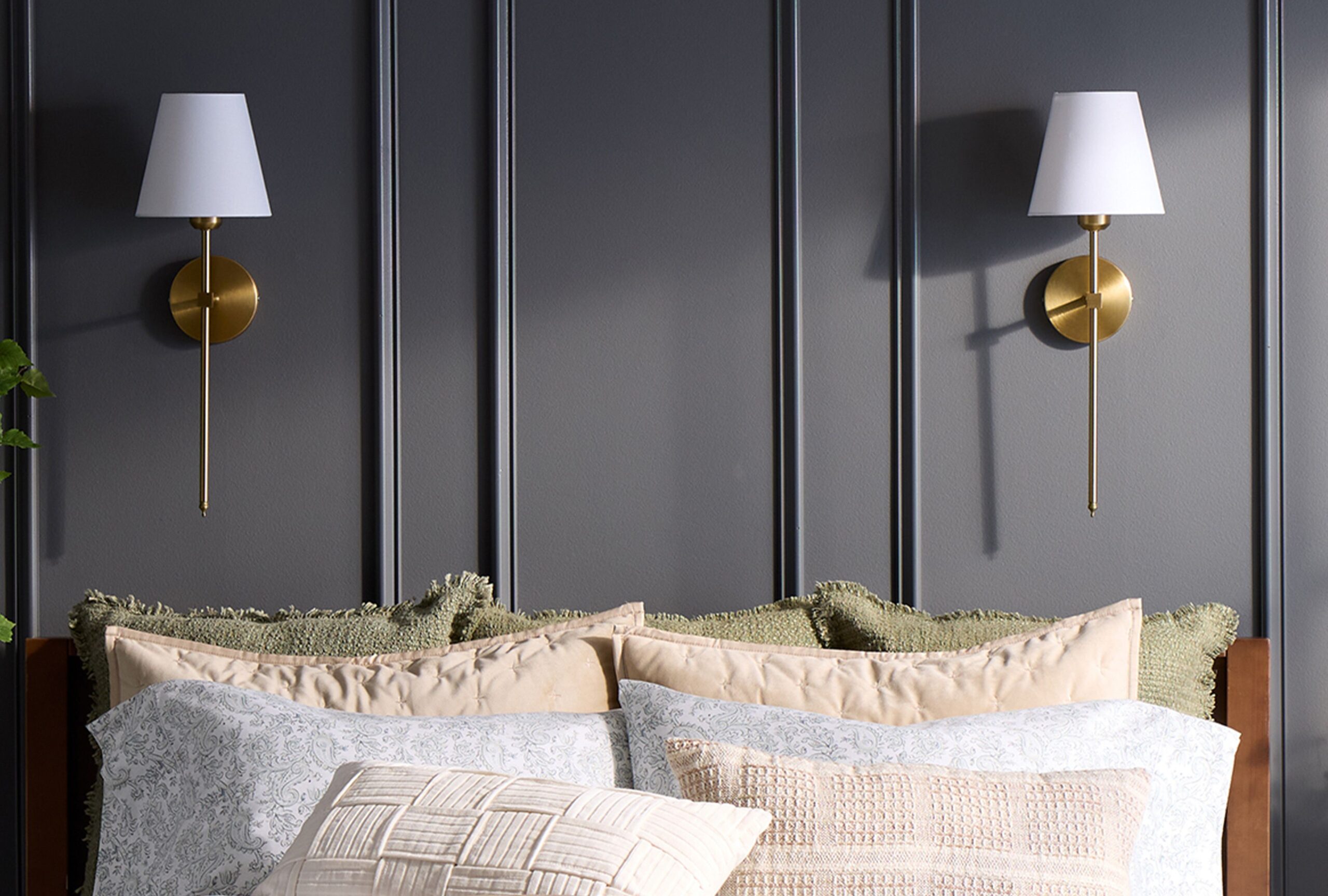
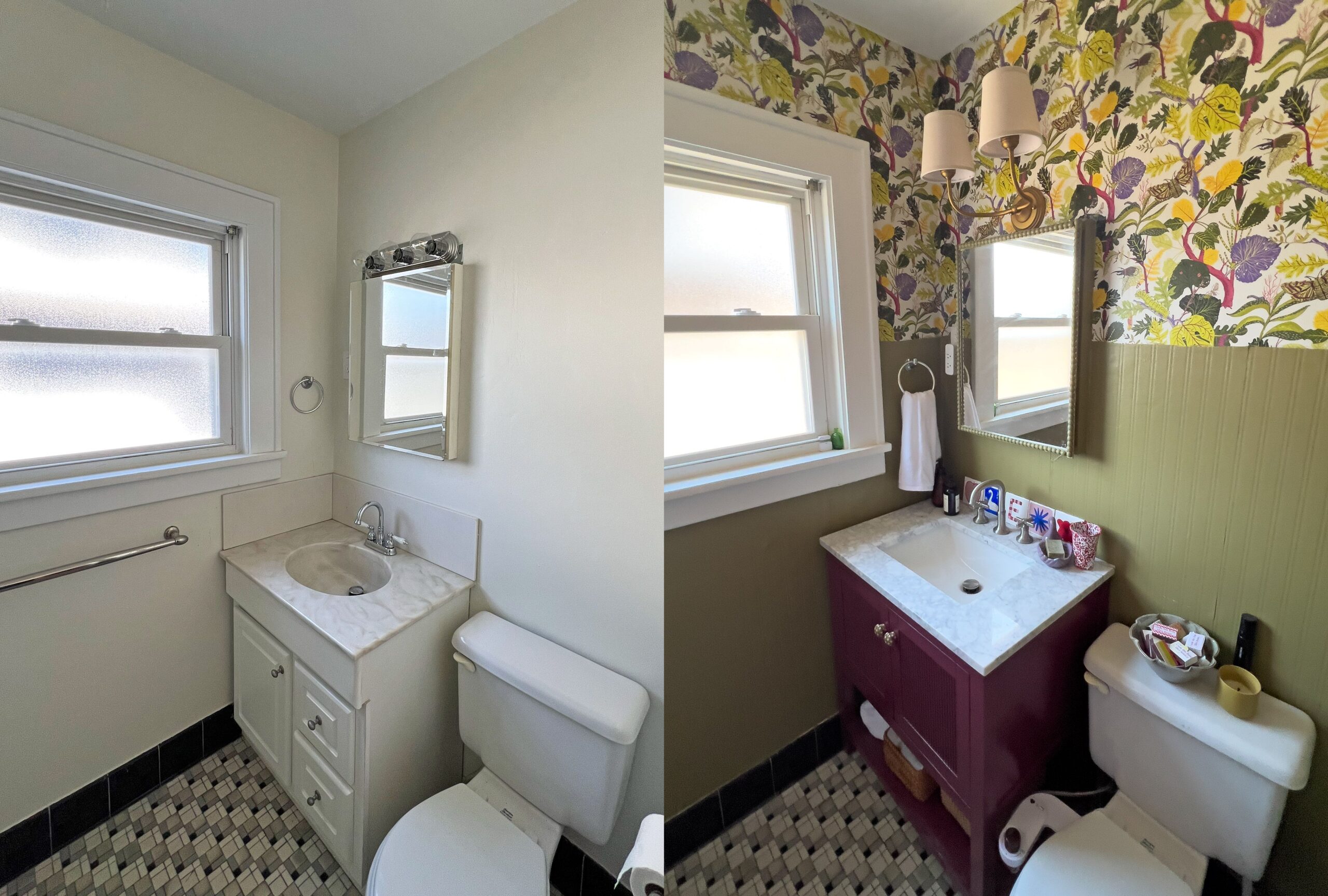
In recent years, color palettes have become bolder and more personal. Color drenching still remains popular, especially for those who want to create an eye-catching, custom look within their home. For buyers, the age of beige has long passed; the press release stated that buyers would pay top dollar for homes painted in navy blue, charcoal gray, or dark olive green, compared to those with plain white walls.
3. Wellness Spaces Outrank Media Rooms
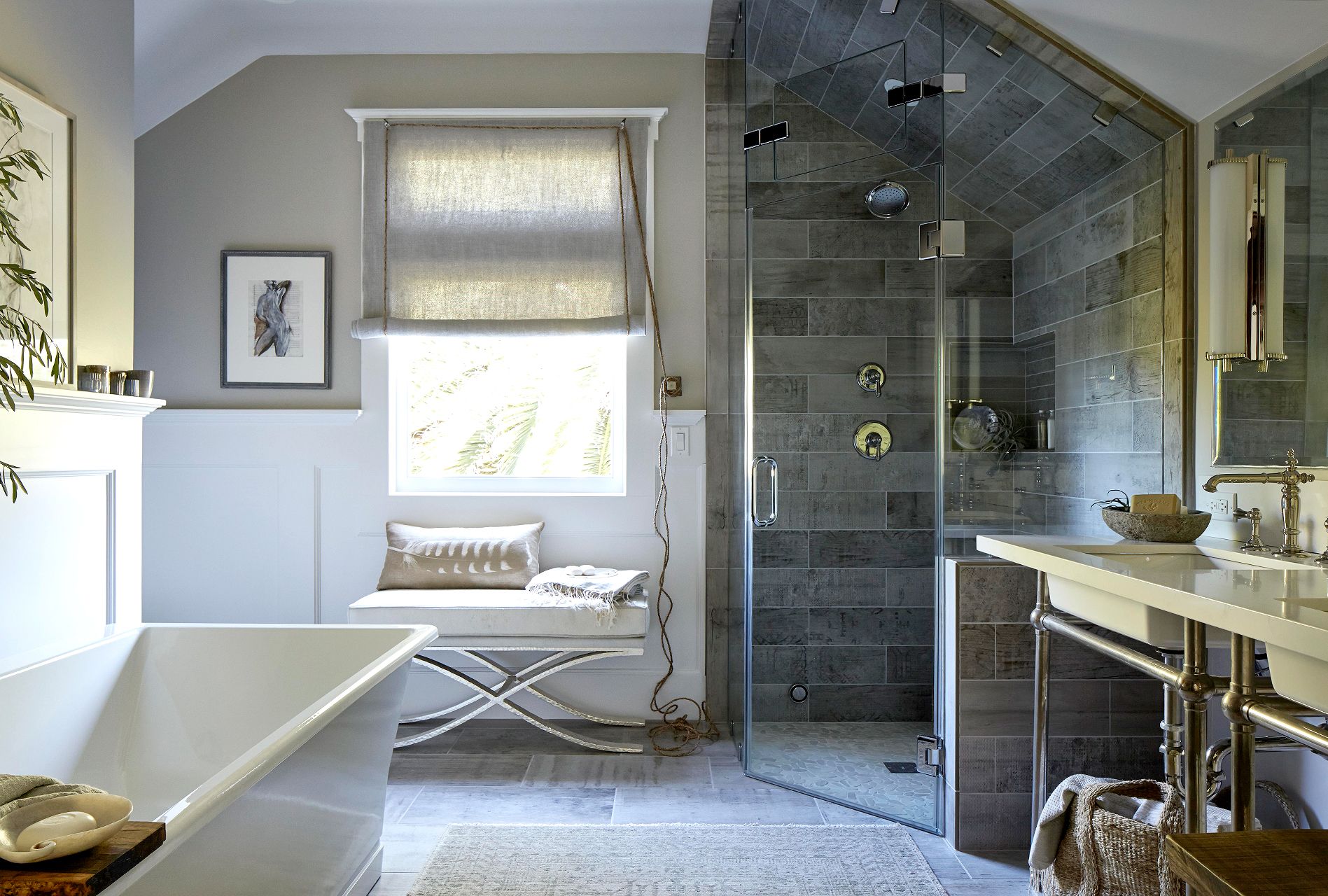
The days of the man cave and home theater are over. Now, homeowners are looking for luxurious spaces where they can indulge in self-care every day. The press release pointed out spa bathrooms in particular, and we’ve also seen trends toward saunas, home gyms, and spaces for yoga and meditation. Dedicated spaces for exercise—specifically, pickleball courts or golf simulators—are up 25% in home listings, according to the press release.
2026 is also seeing a major focus on sustainability, which was not a top priority in 2006. Zero-energy-ready listings jumped 70%, whole-home batteries saw a 40% increase in listing mentions, and EV charging stations were up 25%.
Buyers are also refocusing on the longevity of their dream homes, particularly in terms of climate-resilient features. Buyers want weather and climate protection that can keep their home safe in the long term; flood protection and fire resistance are important features for many modern homes.
The Next 20 Years
“If the past 20 years transformed homes from status symbols into personal sanctuaries, the next 20 will be about adaptability,” Pendleton added. “Our homes will be better able to evolve with changing families, changing climates, and changing lifestyles. We expect future homes to be more flexible, resilient, and deeply personal. The smartest homes won’t feel high-tech; they’ll feel intuitive, lived-in, and supportive.”
You can read Zillow’s full report on the brand’s website.




Leave a Reply