

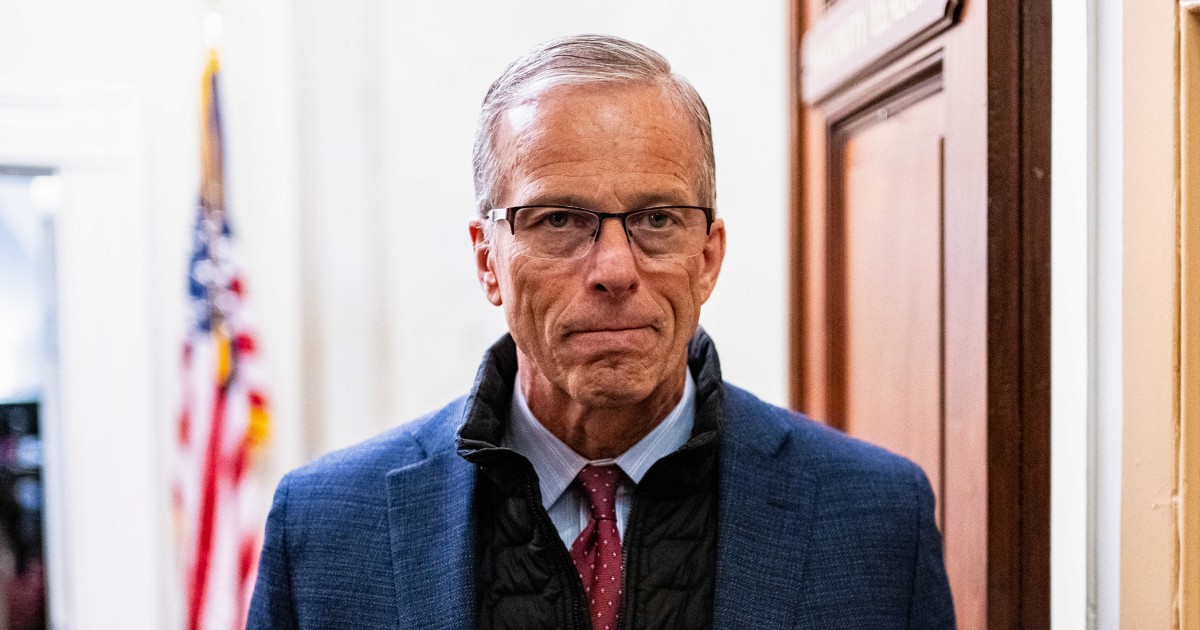
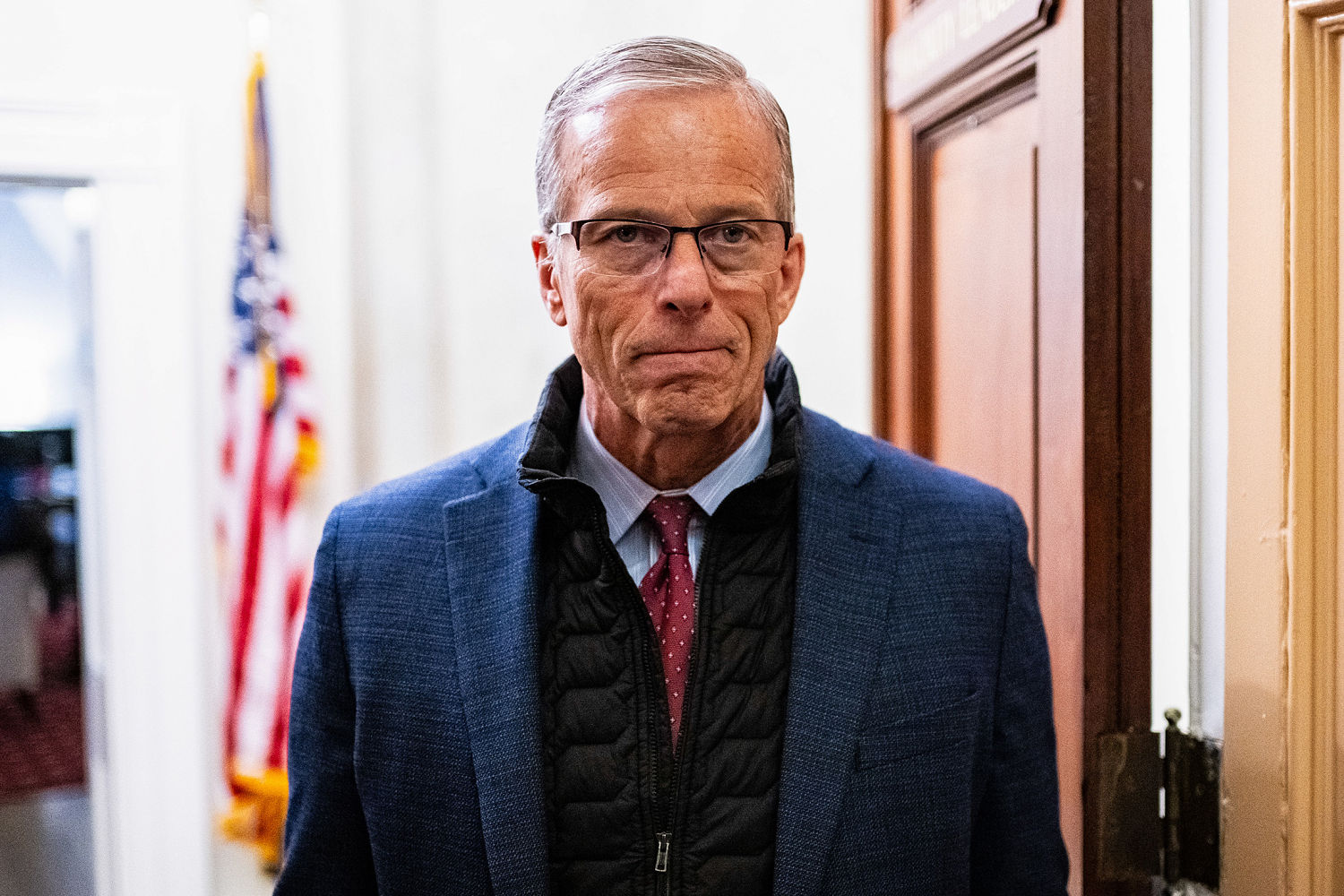
WASHINGTON — Senate Republicans voted Tuesday to bring up the SAVE America Act to overhaul election laws nationwide, kicking off what’s expected to be a highly contentious debate on the floor.
The vote was 51-48, with Sen. Lisa Murkowski, R-Alaska, joining unified Democrats in opposition. Sen. Thom Tillis, R-N.C., didn’t vote.
Senate Majority Leader John Thune, R-S.D., has promised “an extended debate” on the legislation, which President Donald Trump has labeled his “No. 1 priority.” But it doesn’t have a viable path to pass in the Senate.
The legislation would require Americans to show proof of citizenship — passports or birth certificates — in person to register to vote. It would require voters to show photo identification to cast ballots, including by mail. And it would empower the Department of Homeland Security to flag suspected noncitizens to states for disqualification from voter rolls.
Because the House sent it as a “message,” the Senate could begin debate with a simple-majority vote. The debate could continue for days, into the night and potentially through the weekend, according to a Republican leadership aide.
But the bill remains subject to a 60-vote threshold to end debate and move to pass it, and Democrats have made it clear they’ll block it. Thune has said Republicans don’t have the votes to sustain a “talking filibuster” or to trigger the “nuclear option” to change Senate rules and get rid of the 60-vote hurdle.
“It’s a naked attempt to rig our elections,” Senate Minority Leader Chuck Schumer, D-N.Y., told reporters. “We’re ready to be here all day, all night, as long as it takes to ensure the powers of voter suppression do not win the day.”
“Senate Democrats will never let this rotten bill move through this body,” Schumer said before the vote.
Republican leaders have focused on the most popular provision in the bill: the requirement to show photo ID to vote.
“Pretty much everything you do in your daily life involves showing an ID — whether it’s opening a bank account, getting a hotel room, picking up prescription drugs,” Thune told reporters. “You need a card, in many cases, just to get into a library. I mean, these are things that are just basic, fundamental aspects of our everyday life. We certainly ought to be able to apply them to something as important as voting in this country.”
Asked whether he’d be open to negotiating a slimmed-down photo ID bill with Republicans, Schumer replied: “Look, I’m not going to speculate on details. You know what our objection is — our objection, as Democrats, is not to a photo ID. You’d have to define it clearly and properly and easily, but not to a photo ID when you show up to vote. Our objection is it’s a voter suppression bill.”
Trump has called for some revisions to the House-passed version of the bill, which the Senate is now debating, including largely banning voting by mail and adding unrelated prohibitions on transgender athletes and gender-affirming surgery for minors.
Sen. Eric Schmitt, R-Mo., announced Tuesday he would introduce amendments to align the bill with Trump’s preferences. But those amendments would require 60 votes to advance, leaving them — and the rest of the bill — without a plausible endgame.
Sen. Roger Marshall, R-Kan., kicked off floor debate Tuesday by criticizing the Democratic resistance.
“No one on the other side will join us,” he said.
Hours before the Senate opened debate, Sen. Mike Lee, R-Utah, the Senate sponsor of the SAVE America Act, floated primary challengers to Republicans who oppose pursuing a “talking filibuster” to try to push past Democratic opposition.
“If your senators don’t support using the talking filibuster to pass the SAVE America Act, you might need to replace them,” Lee said on X.
Asked by NBC News to respond to Lee, Thune warned that such tactics could jeopardize the Republican majority.
“I prefer to have our fights with Democrats,” Thune said, arguing that members of the GOP conference should be able to disagree on some things given the circumstances of their states. “We may not agree on everything, but I’m way more in favor of ensuring that we have Republicans holding these seats in the United States Senate than handing them to Democrats.”






Leave a Reply