

:max_bytes(150000):strip_icc():format(jpeg)/GettyImages-1433504114-1917ed3ba2db4c009c817fa10ff668e0.jpg)
As the air gets colder in the winter months, many homeowners turn on their heating systems to warm up their homes for the season. While most people have their own personal temperature preference, experts say there is an ideal setting for your thermostat during the winter months. Read on to learn the temperature that heating professionals recommend, and discover the most energy-efficient (yet comfortable!) temperature for your home this winter.
- Nick Barber is the LLC manager at Utilities Now, an online platform that allows customers to access and manage their utility accounts.
- Brad Roberson is president of Aire Serv, a Neighborly company that provides HVAC services to residential and commercial clients.
The Ideal Heat Temperature for Your House in the Winter
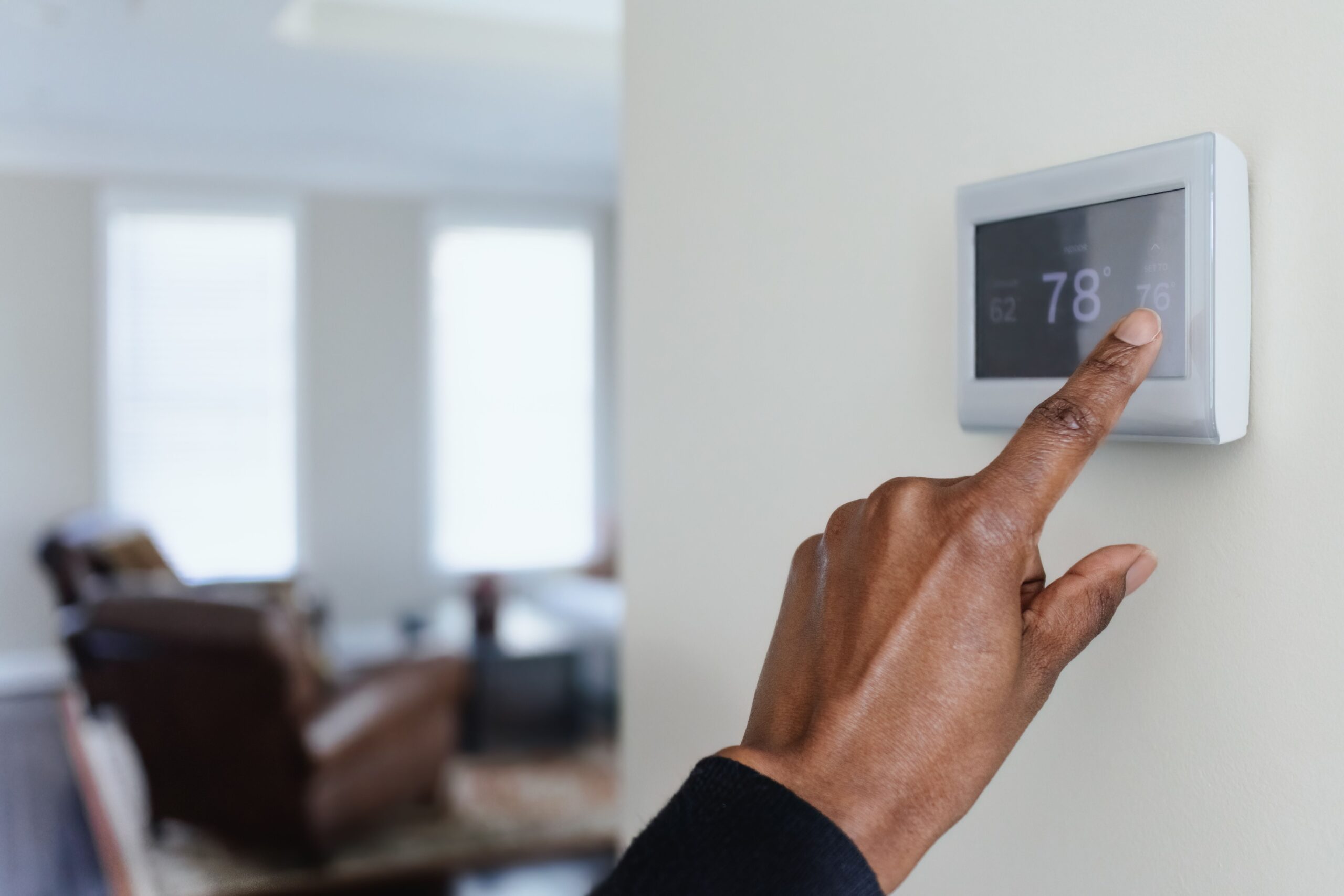
Both experts agree that 68°F is generally the most comfortable daytime temperature for homes in the winter. This thermostat setting will keep you and others in your home comfortable, while keeping your heating costs in check. If this temperature feels too cold for you, Brad Roberson, president of Aire Serv, recommends cautiously adjusting it before cranking up the heat.
“If you feel chilly, try putting on an extra layer of clothing. If that doesn’t help, raise the thermostat by one degree for a few hours and assess how it feels,” Roberson says.
This specific temperature is best for when you’re home consistently throughout the day. Experts recommend adjusting it at night or when you’re away to save energy.
Lower the Temperature at Night
Nick Barber, LLC manager at Utilities Now, says that your thermostat’s setting should be lowered when you sleep or are gone for an extended time.
“I would recommend dropping the temperature 7 to 10 degrees at night—down to about 60°F or 62°F. Not only will this save energy, but with a good blanket or warm bedding, you will stay cozy,” he says. “If nobody is home during the day, drop the temperature to about 55°F to 60°F to prevent wasting heat while still protecting your pipes.”
Consider a Smart Thermostat
To make the daily adjustment from the day to nighttime temperature easier, Barber suggests a smart thermostat. “With a smart thermostat, you can schedule these changes to occur on your specific routine. You can have the heat start back up shortly before you get home from work or wake up in the morning,” he says. “That way, you are always entering a comfortable house without putting your heating system under any stress.”
For added convenience, choose a smart thermostat that lets you control the temperature directly from your phone, Roberson adds. That way, you can adjust the temperature en route, so you don’t come home to a chilly house.
Other Ways to Conserve Energy in the Winter
To continue to cut costs on your heating bill and keep your home comfortable, follow the reset of these energy-saving tips.
- Conserve heat in the parts of the house where you spend most of your time—close off vents and doors to unused rooms to keep the warmth where you need it most.
- If you spend a lot of time in a particular part of your home, like your home office, consider a small space heater instead of the house-wide thermostat.
- Seal drafts around windows and doors.
- Open your blinds or curtains during the day to let the sun in and close them at night to retain the heat.
- Keep your furnace filters clean.
- Have your HVAC system serviced regularly to make sure it runs efficiently.
- Set your ceiling fans to rotate clockwise to pull up cold air and push down warm air.









Leave a Reply