

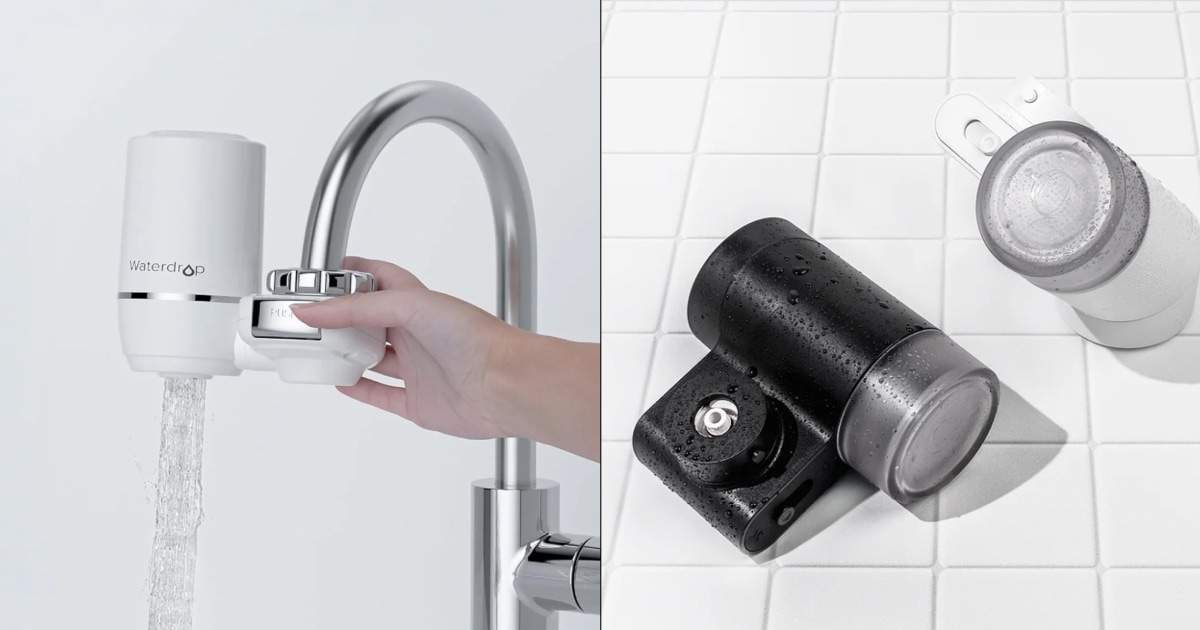
You probably pay a lot of attention to the type of soap you wash your face and hands with, but what about the water you use to rinse suds away? It’s touching your skin, too, and often, it’s filled with impurities like chlorine, heavy metal minerals, rust and even microplastics that can lead to irritation. Bathroom sink filters are the best solution to this problem. They attach directly to your faucet’s spout, so right before water gets to you, it goes through a purification process that gets rid of a ton of gross stuff. Plus, you don’t need to be a professional plumber to install one — it takes less than 10 minutes, and all the tools you need come in the box.
Below, I put together a guide that covers everything you need to know before buying a bathroom sink filter. I also recommended options that meet experts’ shopping guidance, including a few I tested myself.
Want more from NBC Selected? Sign up for our newsletter, The Selection, and shop smarter.
What are bathroom sink filters?
Bathroom sink filters are filtration systems that purify water immediately before it comes out of the spout, says Ash Hicks, a merchant of water treatment and pumps at The Home Depot. (The inclusion of products sold by Home Depot in this article was made independently of Hicks.) The filter traps impurities like chlorine, sediments and odors, so by the time water makes its way to you, it’s as “clean” as possible. Bathroom sink filters are point-of-use filters, which differ from point-of-entry (or whole home) filters: The former attaches directly to and filters water from a single fixture, while the latter attaches to a main water line and filters all the water that comes into your home.
The best bathroom sink filters
All of the bathroom sink filters I recommend below align with experts’ shopping guidance, and I tested a few myself after brands sent me courtesy samples — I’m trying options on an ongoing basis, so I’ll continue updating this list to share my first-hand experiences. Each option comes with one pre-installed filter (you have to buy replacements after a certain period of time), and I made sure that brands provided third-party testing data online or sent it to me via email to back their performance claims.
Each filter on this list fits most standard bathroom faucets that have circular, removable aerators. An aerator is a small mesh screen located on the end of a faucet’s spout that adds air to the water stream and helps control its flow rate, or how much water comes out over time. The first step of installing any bathroom sink filter is removing your faucet’s aerator, which brands’ instructions walk you through — you also get helpful removal tools in the box. After removing the aerator, you have to add an adapter to the spout before installing the filter (there’s detailed instructions on how to do that, too). Each option on this list comes with numerous adapters so you can figure out what works best for your spout.
Best overall

My favorite feature of Qure’s Faucet Filter is that you can rotate its nozzle 360 degrees, letting you point it down while washing your hands, up while washing your face and at any other angle as needed. It also lets you switch between filtered and tap mode by sliding a toggle back and forth.That means you can keep it on your spout at all times after installation, but turn the filtration system on and off depending on what you’re using the sink for. The filter removes impurities like chlorine, heavy metal minerals, microplastics, copper, microorganisms and limescale, according to the brand. It comes with numerous aerator removal tools and adapters.

Best customer service

The Filterbaby faucet filter comes with 10 adapters for installation, but if none of them fit your spout, you can contact the brand via email and they’ll send you a custom adapter for free. The filter lets you switch between filtered and tap mode using a toggle. It reduces chlorine, chloramine, certain heavy metal minerals and other contaminants in tap water, according to the brand. You also get four aerator removal keys, three silicone rings and one adapter key with your purchase.
Most compact design

Helios makes the smallest sink filter I recommend, and after doing tons of research about options on the market, I can confidently say it’s one of the smallest ones out there overall. It’s circular and sits right underneath the spout once you install it — most other sink filters are somewhat bulky and extend outward more, so this one is much less noticeable. The filter removes chlorine, heavy metal minerals, rust, PFAS and microplastics from tap water, according to the brand, and it infuses water with vitamin C. It comes with four aerator keys, an aerator removal tool and six faucet adapters.
Most affordable

Waterdrop’s Sink Filter, which is the lowest price option on this list, lets you swap between filtered and tap water mode in seconds by pressing the large button on its front. It removes impurities like chlorine, rust, sand and other small and large particles, according to the brand. The filter comes with an aerator removal tool, as well as six adapters.

How I picked the best bathroom sink filters
Experts say you should consider the following factors while shopping for bathroom sink filters, all of which I considered while curating my list of recommendations.
- Sink compatibility: All of the bathroom sink filters I recommend are compatible with most standard faucets that have circular, removable aerators. They also come with the necessary tools and adapters required for installation. Brands’ websites typically detail exactly which faucets their filters won’t work with, so review that information prior to making a purchase.
- Filter media: The materials inside a filter, called the filter media, determine what impurities it removes as water passes through. Some of the most common filter media are activated carbon, calcium sulfite, ceramic and copper-zinc, which reduce the presence of chlorine, chloramine, hard water minerals and odors in water that can impact your skin and plumbing, according to the experts I talked to. Brands often make mixed-media filters to address various impurities. I only recommended mixed-media bathroom sink filters from brands that disclose what’s inside.
- Certified claims: There aren’t federal regulations around residential water filters, including those for bathroom sinks, so it’s important to review third-party testing data that supports brands’ performance claims, says Hicks. You’ll often find data available on their websites, or you can request a copy via email. Some brands test their filters against voluntary standards set by organizations like public health nonprofits, including the National Sanitation Foundation (NSF). I only recommended bathroom sink filters from brands that provide third-party testing data on their websites or emailed it to me.
- Replacement filters: Filter cartridges don’t last forever, so you have to continuously replace them according to the brand’s directions. “It’s one of the most important steps in ensuring a filtration system continues to perform as intended,” says Hicks. He suggests thinking about whether the cost of replacement filters fits into your budget every 90 days or so, and where you’ll be able to find them when it’s time to place an order. Some brands have convenient subscription services that automatically send you a new filter when you’re scheduled to replace yours. I included information about replacement cost and availability for the bathroom sink filters I recommend.
- Finish: Bathroom sink filters often come in multiple finishes so you can select one that matches your style preferences and/or existing hardware.
Frequently asked questions
Yes, bathroom sink filters can benefit your skin over time by removing impurities that may cause irritation when you wash your face and/or hands, says Dr. Dendy Engelman, a double board-certified cosmetic dermatologist and Mohs surgeon at Shafer Clinic Fifth Avenue.
Tap water is typically treated with a small amount of chlorine or chloramine to kill germs, disinfecting it so it’s safe to drink, according to the Centers for Disease Control and Prevention. But these chemicals can strip away some of the skin’s natural oils, which may make it extra dry and sensitive, says Engelman. Bathroom sink filters help reduce the presence of chlorine and chloramine in tap water so it’s less harsh on skin. They also decrease the concentration of sediments and hard water minerals that can leave behind a residue and make skin care products and soap harder to wash off, she says.
Overall, bathroom sink filters are useful for everyone, but they tend to make the biggest difference for people who have vulnerable skin barriers and conditions like eczema, psoriasis and rosacea. These filters are not a cure-all, however — if you’re dealing with consistent problems, consult your dermatologist.
No, the water that comes out of bathroom faucets (and all the other fixtures in your home) is not filtered, says Hicks. It’s treated and disinfected by a public water supply company if you get your water from a municipality, or the individual homeowner if you have a private well. If you want filtered water, you have to install a point-of-use or point-of-entry (whole home) filtration system, depending on where you live.
Point-of-use filters like filtered showerheads, bath filters and bathroom sink filters are easy to install yourself in any type of home. They only affect the water that comes out of the fixture they’re attached to. On the other hand, point-of-entry or whole home filters need to be installed by professionals on the main water line. They affect all of the water that comes into your home, so they only work for individual houses — if you installed them in an apartment building, they’d impact every unit’s water.
No, bathroom sink filters can’t soften hard water, which has higher-than-average levels of dissolved minerals (mainly calcium and magnesium) in it, says Hicks. Softening hard water is a complicated process that involves an ion exchange, which bathroom sink filters can’t do. However, depending on the type of filter media they’re made with, these filters can reduce the presence of potentially irritating minerals in your water so they’re less likely to cause skin and plumbing issues.
Below are some of the most common types of filter media you’ll see in bathroom sink filters, and what each one removes from water, according to experts. Brands often make filters with mixed media to address numerous impurities.
- Activated carbon filters reduce chlorine and odors in water.
- Sediment filters like ceramic filters reduce dirt, rust, sand, debris and other particles in water.
- Calcium sulfite filters reduce chloramine and chlorine in water.
- Vitamin C (ascorbic acid) filters reduce chloramine and chlorine in water.
- Copper-zinc filters reduce trace heavy metal minerals in water.
To target the most highly concentrated impurities in your home’s water, Hicks recommends getting it professionally tested prior to shopping for a bathroom sink filter. At-home water test kits are available, but they’re prone to user error and not as accurate as those conducted by a professional.
As long as they’re installed properly, bathroom sink filters shouldn’t significantly reduce your water pressure, which refers to how forceful water feels when it comes out of the spout, says Hicks. It’s a possibility, but often, a noticeable decrease in water pressure is a sign that you need to replace the filter cartridge, which gets clogged with impurities over time.
Flow rate refers to the amount of water, measured in gallons per minute (gpm), that passes through a fixture in a certain period of time, says Hicks. There’s federal regulations around flow rate to conserve water — for example, bathroom faucets in the U.S. can’t exceed a flow rate of 2.2 gpm, and some states enacted even tighter restrictions.
An aerator, which is a small mesh screen on the end of a faucet’s spout, helps control flow rate. But in order to install a bathroom sink filter, you have to remove your faucet’s aerator, which means you get rid of a part that controls flow rate. Thankfully, faucets are made with other interior components that significantly restrict flow rate, so don’t worry about your sink filter — it won’t cause your faucet to exceed state or federal limits, says Hicks.
You shouldn’t drink water from bathroom sink filters, says Hicks. Only drink water from filters specifically designed to purify drinking water — they’re built to target contaminants that make it safer to consume. (If you’re looking for a drinking water filter, check out our top picks here.) Sink filters, on the other hand, aren’t designed with consumption in mind, so they mainly target impurities that impact the skin.
Meet our experts
At NBC Selected, we work with experts who have specialized knowledge and authority based on relevant training and/or experience. We also ensure that all expert advice and recommendations are made independently and with no undisclosed financial conflicts of interest.
- Ash Hicks is a merchant of water treatment and pumps at The Home Depot. (The inclusion of products sold by Home Depot in this article was made independently of Hicks.)
- Dr. Dendy Engelman is a double board-certified cosmetic dermatologist and Mohs surgeon at Shafer Clinic Fifth Avenue.
Why trust NBC Selected?
I’m a reporter at NBC Selected who has extensively covered water filtration. I wrote our guide to filtered shower heads and bath filters; I’ve tested and reviewed over a dozen shower, bath and sink filters; and I’ve talked to numerous home and medical experts about the topic. For this article, I interviewed two experts about bathroom sink filters and tested models to share my first-hand experiences with them.
Catch up on NBC Selected’s in-depth coverage of tech and tools, wellness and more, and follow us on Facebook, Instagram, Twitter and TikTok to stay up to date.










Leave a Reply