

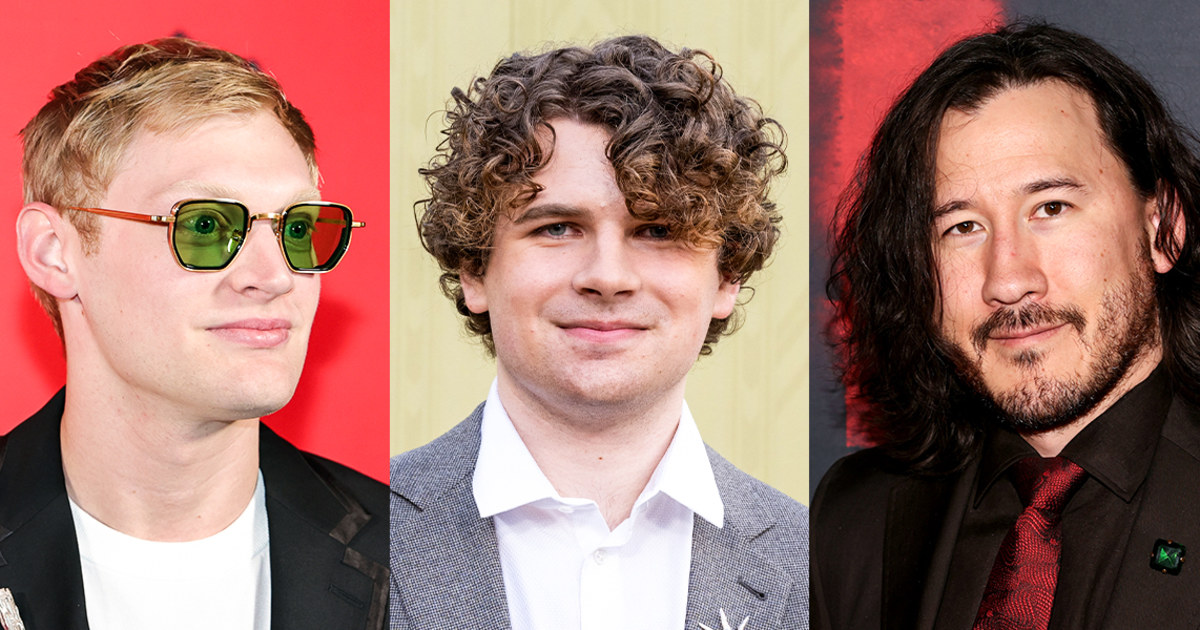
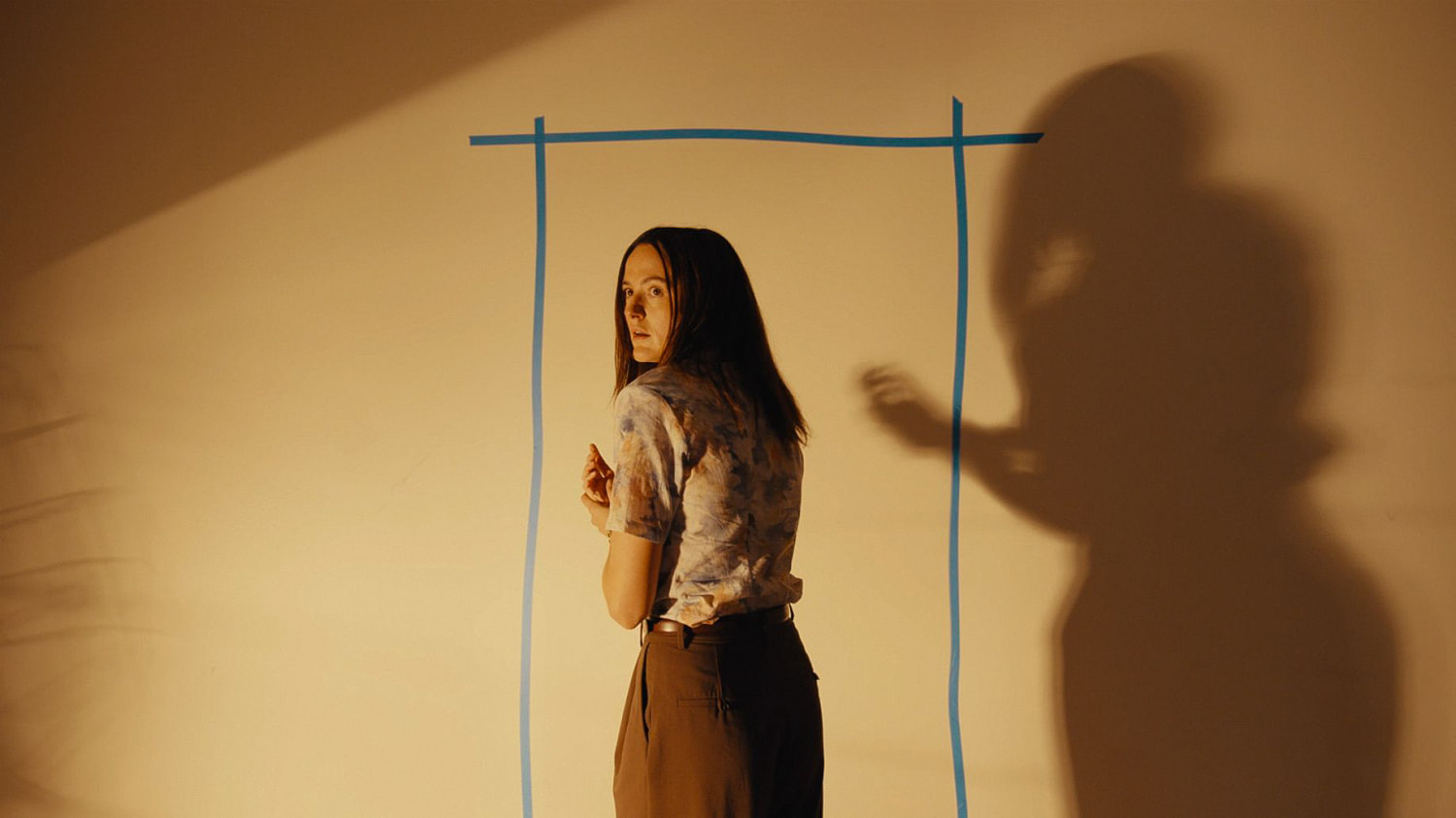
“Talk to Me,” a 2022 film by twins Danny and Michael Philippou, was the first notable horror movie to be made by YouTube filmmakers. The supernatural thriller, about a group of teens who contact spirits with a mysterious embalmed hand, grossed $92.2 million worldwide against a $4.5 million budget. Their next movie, 2025’s “Bring Her Back,” had triple the budget.
Since then, studios have realized they can benefit from filmmakers who already generate authentic online buzz — especially with Gen Z audiences, whose theater attendance rose 25% in 2025, according to Cinema United, a trade organization that represents more than 31,000 movie screens in the U.S.
“Young people want stories that feel authentic to them,” said Kori Adelson, president of North Road Films. She produced “Backrooms” and brought the film to A24. “They also want to go to theaters with their friends, so it’s on us to give them something they want to see.”
But it’s not always an easy path for a creator to transition from having full control to going through the studio system, and coming from the internet world still sometimes carries a stigma in Hollywood.
In the past month, as Parsons’ “Backrooms” generated buzz online, many naysayers began to speculate — without any concrete evidence — that the young director was actually not the one calling the shots on set.
The rumors were so rampant that Mark Duplass, an experienced filmmaker and one of the movie’s stars, weighed in to shut down skeptics.
“Hmmm, with all due respect I don’t remember seeing you on set,” Duplass wrote in a post on X on Tuesday, responding to someone who had said “Parsons absolutely didn’t direct this movie.”
“When I was there, Kane was 100% in control. More so than many directors 3x his age,” Duplass added.
He later doubled down in a video on TikTok, telling his followers he suspects one of the reasons he was hired onto the film is because he “mentors a lot of young filmmakers.”
“I was prepared to help out, and what happened was is he didn’t need any of us,” Duplass said, adding that Parsons was “intensely prepared.”
Even as Hollywood becomes more eager to capitalize on YouTubers and their original IP, that doesn’t mean creators will always opt for the traditional theatrical path.
After all, being an online creator — particularly in recent years — has become a money-maker in its own right.
As filmmaker and commercial director Luke Covert said in a Youtube video last year, “YouTube has a massive audience and people do make tons of money. The truth is if I get enough views, I do make decent money.” To monetize on YouTube, a channel needs to have 1,000 subscribers and 4,000 hours of annual viewing time, according to YouTube’s monetization policy.
In a recent interview with NBC News, Barker said that he actually almost put “Obsession” — which was made for $750,000 and acquired by Focus Features for $15 million — on YouTube.
Before the 2025 Toronto International Film Festival (TIFF) in September, Barker was primarily known on the Google-owned video platform for projects like “Milk and Serial,” a thriller that follows a duo of YouTube pranksters. He and his collaborator Cooper Tomlinson have amassed more than 1 million followers to their “that’s a bad idea” channel.
“There’s a lot of discoverability on there,” Curry said of the platform. “I mean, it would have done well on YouTube probably, and word of mouth would have spread.”
But ultimately he said he is happy with how things turned out — “Obsession” has opened up new doors for him in Hollywood, where he now counts horror genre giants like Jason Blum as one of his biggest advocates. He has another film, titled “Anything But Ghosts,” in the works. A24 recently tapped him to helm a reimagining of 1974’s “The Texas Chain Saw Massacre,” which is itself a touchstone in low-budget horror history.
Adelson said on the studio side, she has seen at least 20 spec scripts from new voices, an indication that there is a big opportunity to have more projects like “Backrooms” on the horizon.
“These YouTube creators have been building their own worlds that producers are all starting to pay attention to,” she said. “And they start to bring [the projects] to the studios to make. We’re seeing that broader trend expand.”



Leave a Reply