

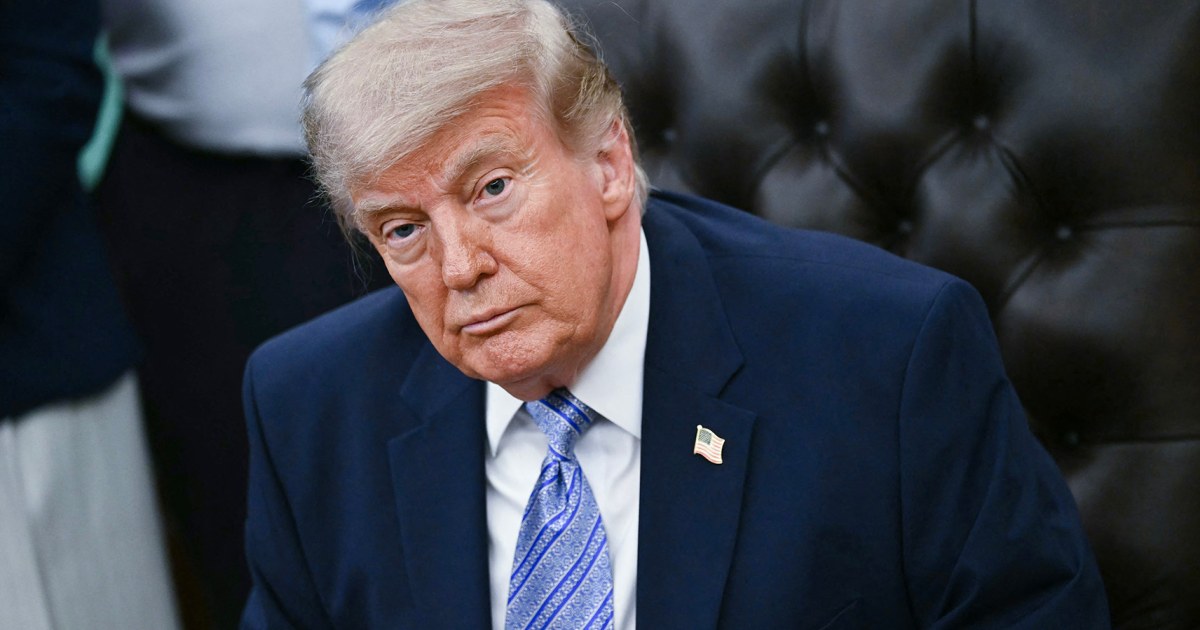
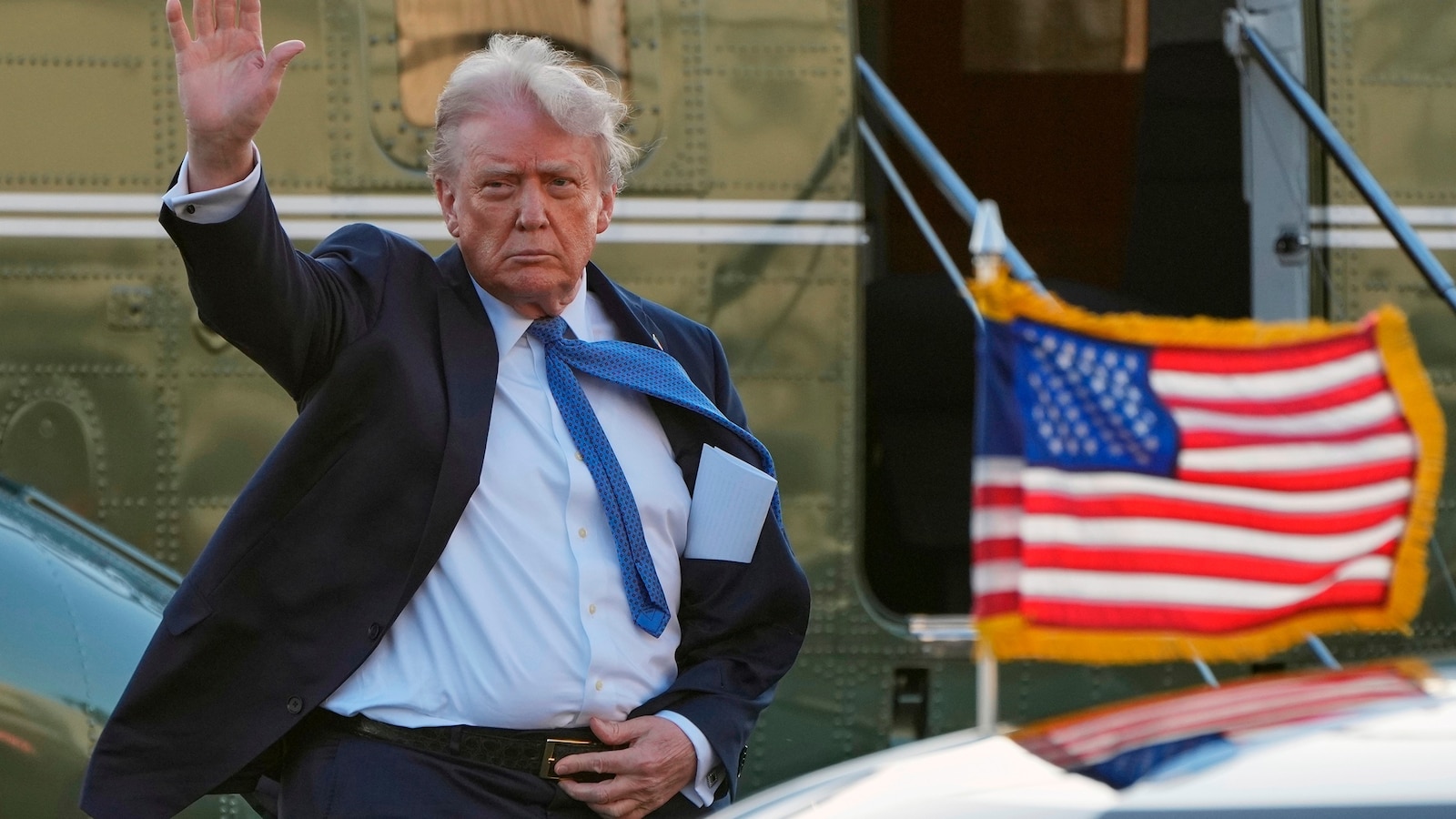
President Trump abruptly delayed the signing of a landmark executive order on AI Thursday afternoon, telling reporters that he had pulled the order at the last minute because it could interfere with American competitiveness on AI.
Subscribe to read this story ad-free
Get unlimited access to ad-free articles and exclusive content.

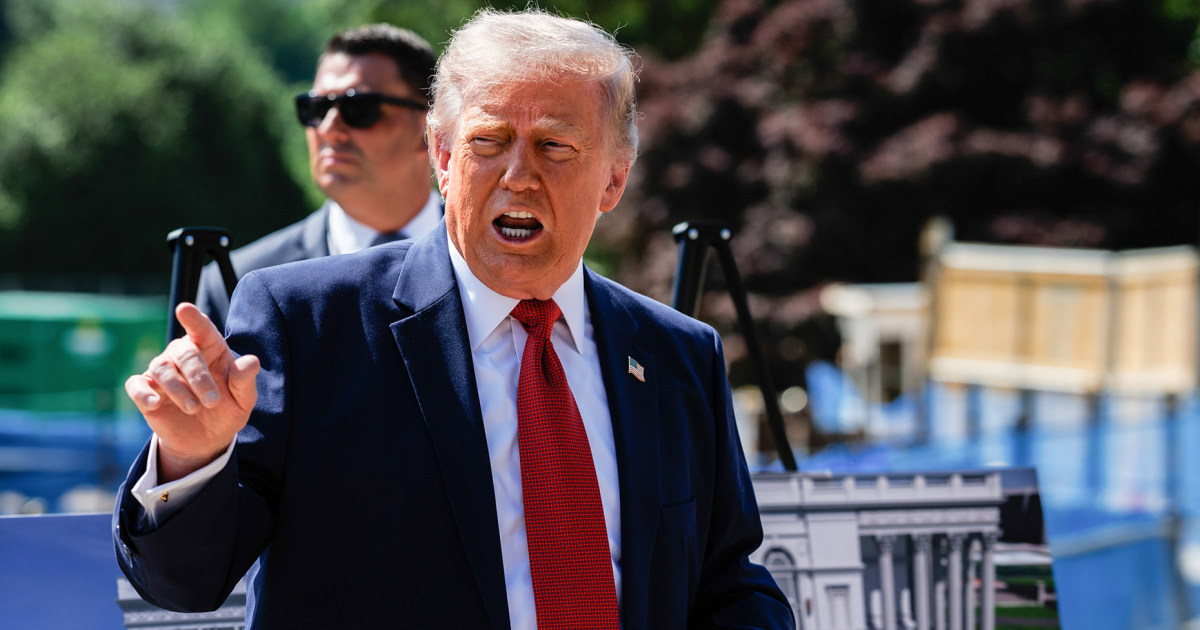
“We’re leading China, we’re leading everybody, and I don’t want to do anything that’s going to get in the way of that lead,” Trump, answering reporters’ questions in the Oval Office during an unrelated event, said about America’s AI industry. “I really thought [the order] could have been a blocker.”
The order, reportedly in development for weeks, was expected to direct federal agencies to shore up key cybersecurity defenses and work with the world’s leading AI companies on a voluntary basis to test advanced models before they are public, according to two people familiar with the draft.
The order’s planned debut came less than two months after AI company Anthropic’s Mythos Preview model demonstrated the novel ability to autonomously discover thousands of severe and critical cyber vulnerabilities, including in leading operating systems and web browsers.
Vice President JD Vance said in a press conference on Wednesday that the administration was prioritizing “protecting people’s data” and “people’s privacy” in the wake of Mythos’ debut. A “bad actor could use Mythos to target various cybersecurity vulnerabilities,” he said.
“Right now, we’re working in a collaborative way with the technology companies, and we’re just trying to make sure that the American people are as safe as possible.”
Anthropic has not released Mythos publicly and instead shared access with a select group of technology companies and government agencies to bolster their cybersecurity defenses.
The executive order would formalize how the federal government oversees the most advanced AI models, according to the sources. The document is split into two main sections: one focused on cybersecurity and the other on testing and vetting frontier AI models.
The order would direct several groups — including the Cybersecurity and Infrastructure Security Agency, the White House’s Office of the National Cyber Director and the Office of Science and Technology Policy — to establish methods to determine which AI models should fall under the new voluntary testing regime.
The order would then charge administration officials with creating a new framework for the government to access and evaluate yet-to-be-released models in conjunction with leading AI companies. The testing arrangements would be voluntary, according to the sources. American tech companies and administration officials have often pointed to regulations with more stringent requirements, like the EU’s AI Act, as a potential threat to American innovation.
The cybersecurity section lays out several new initiatives designed to strengthen national security and Defense Department systems against AI-fueled cyberattacks, according to the people familiar with the matter.
The order would also lay out a directive to promote the use of AI tools to strengthen critical infrastructure, including utility companies and rural hospitals.
The administration has already partnered with some of America’s leading AI companies to test models for safety concerns before they are released. Those evaluations are run by the Center for AI Standards and Innovation (CAISI), housed within the Commerce Department’s National Institute of Standards and Technology (NIST).
A recent announcement about expanded pre-deployment testing between CAISI and Microsoft, Google and xAI was removed from NIST’s website several days after it was posted.
On his first day in office, Trump repealed one of President Joe Biden’s key AI executive orders, which laid out its own method for establishing which AI models were considered most advanced or highest risk. Biden’s order, unlike the planned order from Trump, required leading AI companies to share the results of internal testing, security protocols and other development details.



Leave a Reply