



U.S. stocks and bonds sold off and oil continued its weeks long upward trajectory Thursday morning, as optimism faded about possible peace talks or a U.S.-Iran ceasefire.
Thursday also marks 48 hours until the expiration of President Donald Trump’s 5-day pause on strikes against Iran’s power infrastructure.
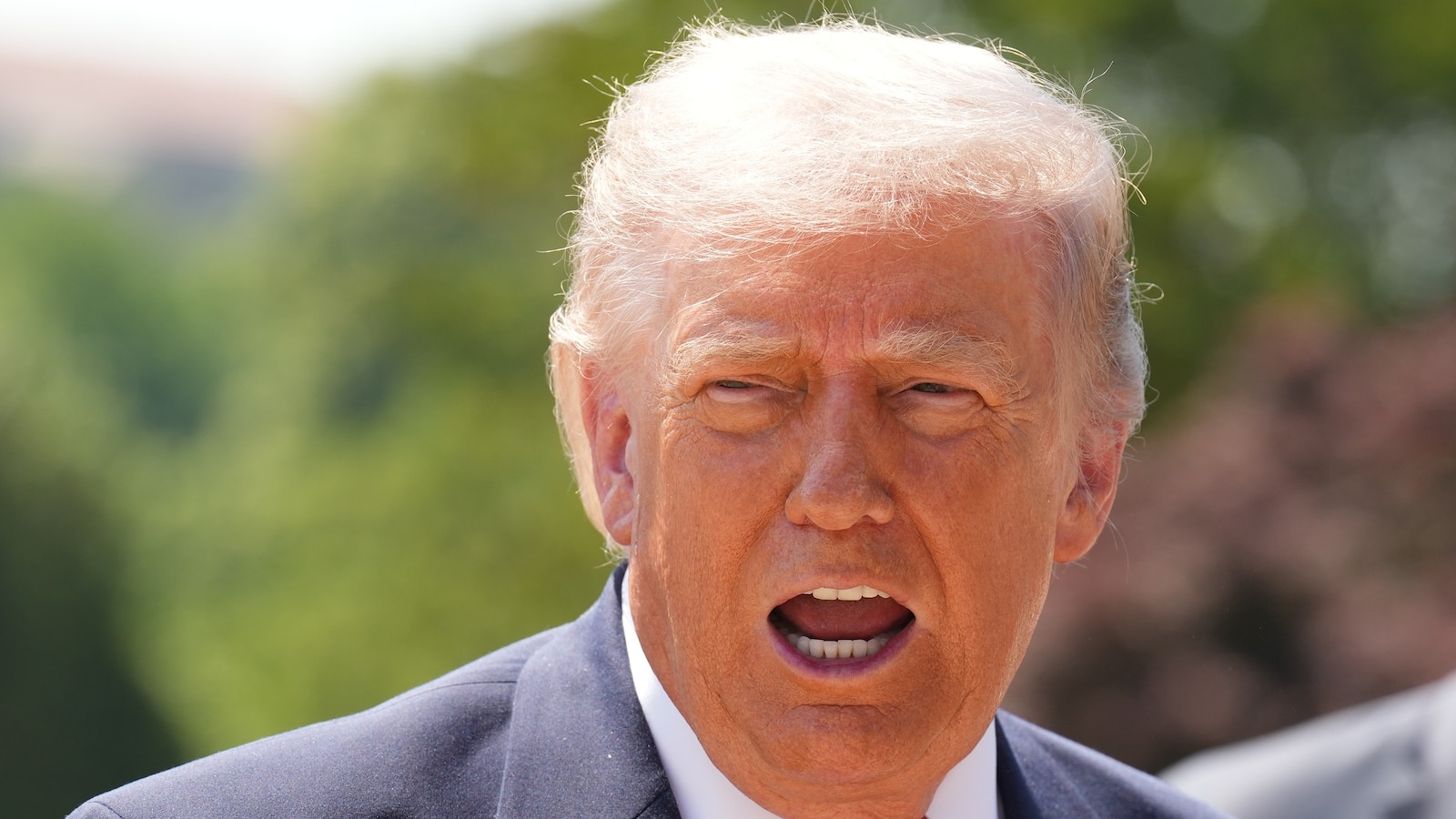
In a social media post, Trump appeared to indicate that talks with the Iranian regime were not progressing. “The Iranian negotiators are very different and ‘strange,’ Trump wrote on Truth Social. “They better get serious soon, before it is too late, because once that happens, there is no turning back, and it won’t be pretty!”
The price of U.S. crude oil approached $95 per barrel, up more than 4.2%. International Brent crude rose 4.5%, to more than $107 per barrel. Since the war started, the cost of U.S. crude oil is up more than 40%. Since the start of the year it has risen more than 60%.
Heating oil, a proxy for jet fuel prices, also spiked 6% early Thursday.
“Several factors are responsible” for this jump in oil prices, wrote Jim Reid, Deutsche Bank’s global head of macro and thematic research, in a note to clients. “A big one is that Iran has continued to reject the messages from the U.S. about some kind of deal, raising questions about whether there is really an off-ramp to the conflict in the days ahead.”
“Market attention is quickly turning to the end of Trump’s 5-day deadline from Monday,” he wrote.
S&P 500 futures pointed to losses of nearly 1% when the opening bell rings at 9:30 a.m. ET. Nasdaq 100 futures indicated they would fall more than 1.1%, Dow futures showed were down about 400 points and Russell 2000 futures were tracking a drop of 1.5%.
The “de-escalation playbook” was put on hold this morning, “with posturing headlines creating a lot of noise and little clarity on actual ceasefire progress,” JPMorgan’s trading desk wrote in a note to clients.
“Markets have generally sided with the U.S.’ intent to off-ramp,” they wrote, but stocks pulled back because “oil prices failed to hold below $100, also pressuring gold and rates,” they wrote.
Bonds also sold off, driving yields higher. The 10-year U.S. Treasury bond yield rose to nearly 4.4%. The yield on the 20 and 30-year bonds approached 5%.
Treasury yields, especially for the 10-year bond, heavily influence consumer lending rates. As a result, mortgage rates have risen from around 6% at the start of the war on Feb. 28 to more than 6.4%, as of early Thursday.
Stock indexes in Asia had begun to sell-off overnight. China’s Shanghai index and Hong Kong’s Hang Seng index both fell 1%, while Korea’s Kospi slid 3.2%.
These indexes were also weighed down by big drops in shares of tech companies, including Samsung, after Google revealed a new, more efficient use of storage and memory systems for artificial intelligence.
The Stoxx 600 in Europe followed, and as of 8:40 a.m. ET it was trading lower by 1.2%. Flagship stock indexes in Germany, France, Italy, and the U.K. tumbled 1%.








Leave a Reply