

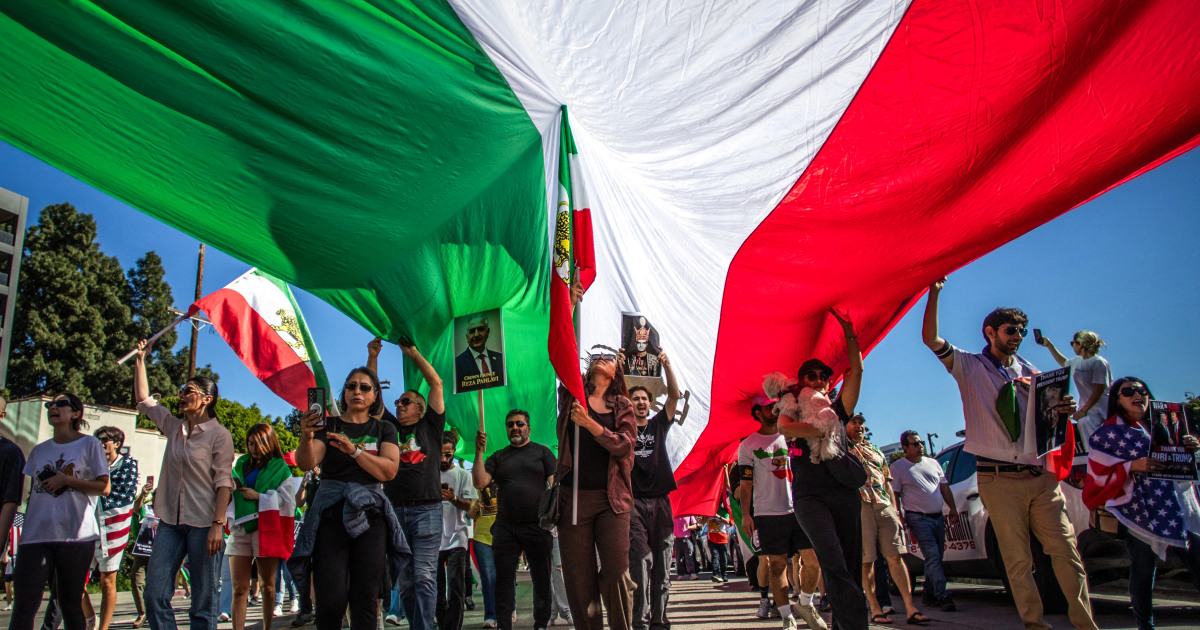
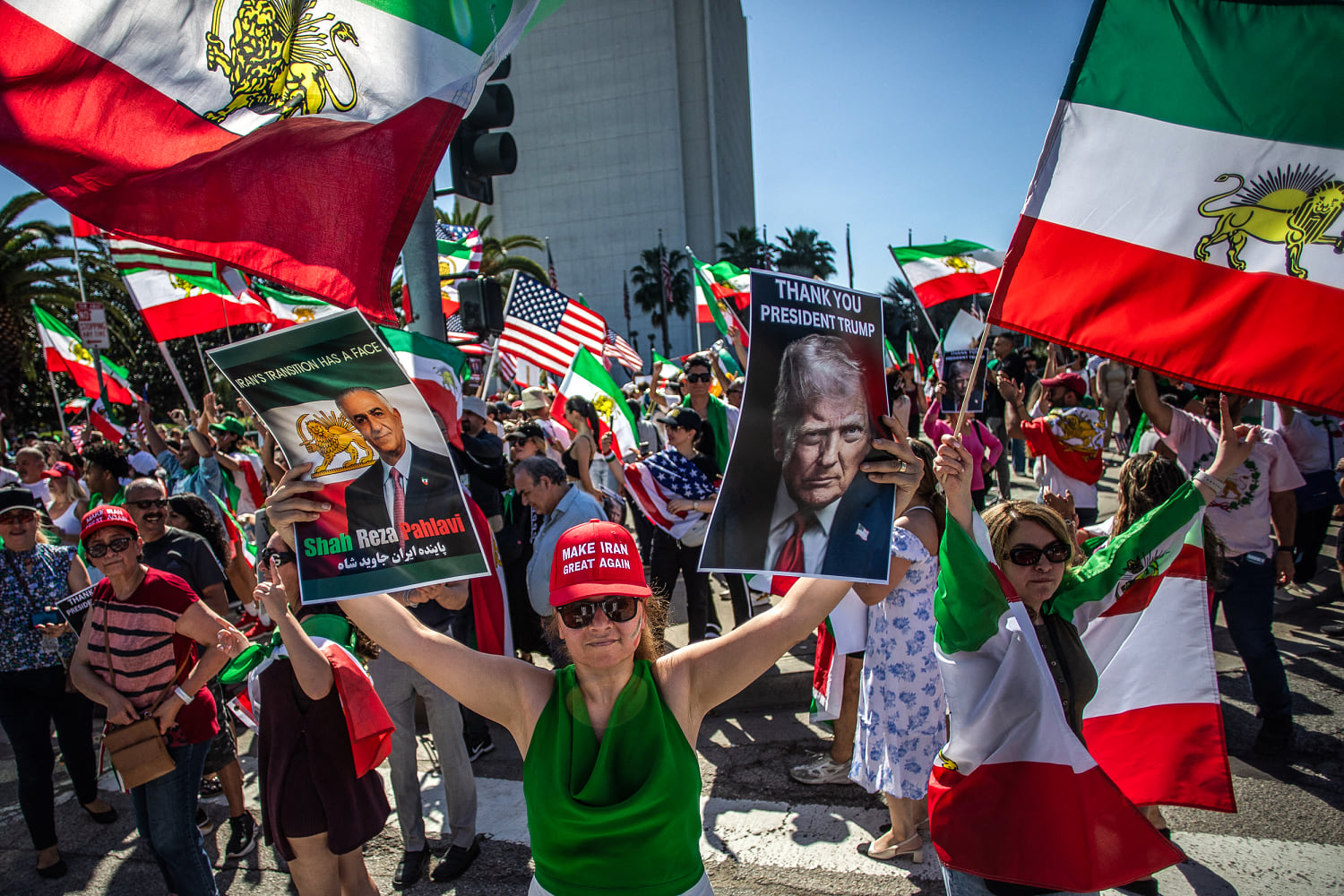
“We are not a monolith,” the Iranian Diaspora Collective, an Instagram account with over 81,000 followers, wrote in a post. “Millions of people will never share the same ideology or identity and that plurality is the strength of any free society.”
Los Angeles-based pastor Ara Torosian, a Christian who moved to the United States from Iran in 2010, said it breaks his heart to see the destruction of historic sites and the deaths of innocent people, especially young children.
But from his perspective, the pain people are suffering now rivals generations of suffering from dissidents who did not support the regime. Torosian said he was jailed and beaten when the Revolutionary Guard found Christian items in his Tehran home.
Like many, he rejoiced when the supreme leader was killed. “This is not happiness you see in the streets,” Torosian said. “We celebrate the hope that this regime will end.”
While he has a “hate-love” view of foreign intervention in his homeland, he said his disappointment is largely directed toward Iranians who oppose the strikes altogether.
“We don’t want war, but at the same time what do we do? We tried protesting against the regime and they just killed more people,” he said, referring to this year’s deadly demonstrations in Iran. “War is the only hope for a new Iran.”
Some Iranian Americans, like New York-based activist and commentator Ariana Jasmine, said they understand the reasoning behind those who back the war. But she feels like a “black sheep” within the Iranian diaspora because she is not for it.




Leave a Reply