

:max_bytes(150000):strip_icc():format(jpeg)/GettyImages-187864491-70c4b868ebba4bc9a49e29eae0ba399b.jpg)
As warm weather approaches, your HVAC system won’t need to work as hard to keep the home comfortable throughout the day, making this an ideal time to focus on its seasonal maintenance. Each year, homeowners should take the time to check for any issues and perform routine upkeep to ensure it is ready for spring.
If you neglect the HVAC system for too long, spring will quickly pass you by, leading into the hot, demanding summer months when the air conditioner runs daily to keep the home cool. So, to prevent potential problems before it’s too late, experts advise preparing before spring hits by checking this one crucial component.
- Jason DeSantis is an HVAC general manager at Zone Heating & Air.
- David Lewis is a seasoned HVAC pro and the owner of Mission AC and Plumbing.
The Top Priority Before Spring
HVAC systems are constantly working to keep the home at just the right temperature for you, so it should come as no surprise that such a vital system requires regular maintenance to continue functioning efficiently. After a long winter season, HVAC maintenance should be a priority, especially if you live in a colder area of the country where your HVAC system is under high demand to keep your home warm.
However, there are many aspects to a fully functional HVAC system. So much so that it can actually be overwhelming if you don’t know where to start. To simplify things for you, Jason DeSantis, HVAC general manager at Zone Heating & Air, says the first thing you should check is your HVAC air filter. “We notice 80% of failures are due to systems having a dirty filter, causing premature breakdowns,” he says.
Why Checking the Air Filter Matters
The air filter might seem like a relatively trivial part of your HVAC system compared to ventilation, coils, refrigerant, drainage, and other more technical aspects, but it is actually very important to the system’s ongoing functionality. DeSantis says, “A clean filter means better air quality and better efficiency overall, which means savings on your utility bills.”
If you don’t change your air filter, it gradually accumulates dirt, hair, and other debris, forcing the HVAC system to work harder just to move air through it. This gradually increases your energy bills each month and puts strain on the HVAC system, which could contribute to early failure.
How to Check and Replace an HVAC Filter
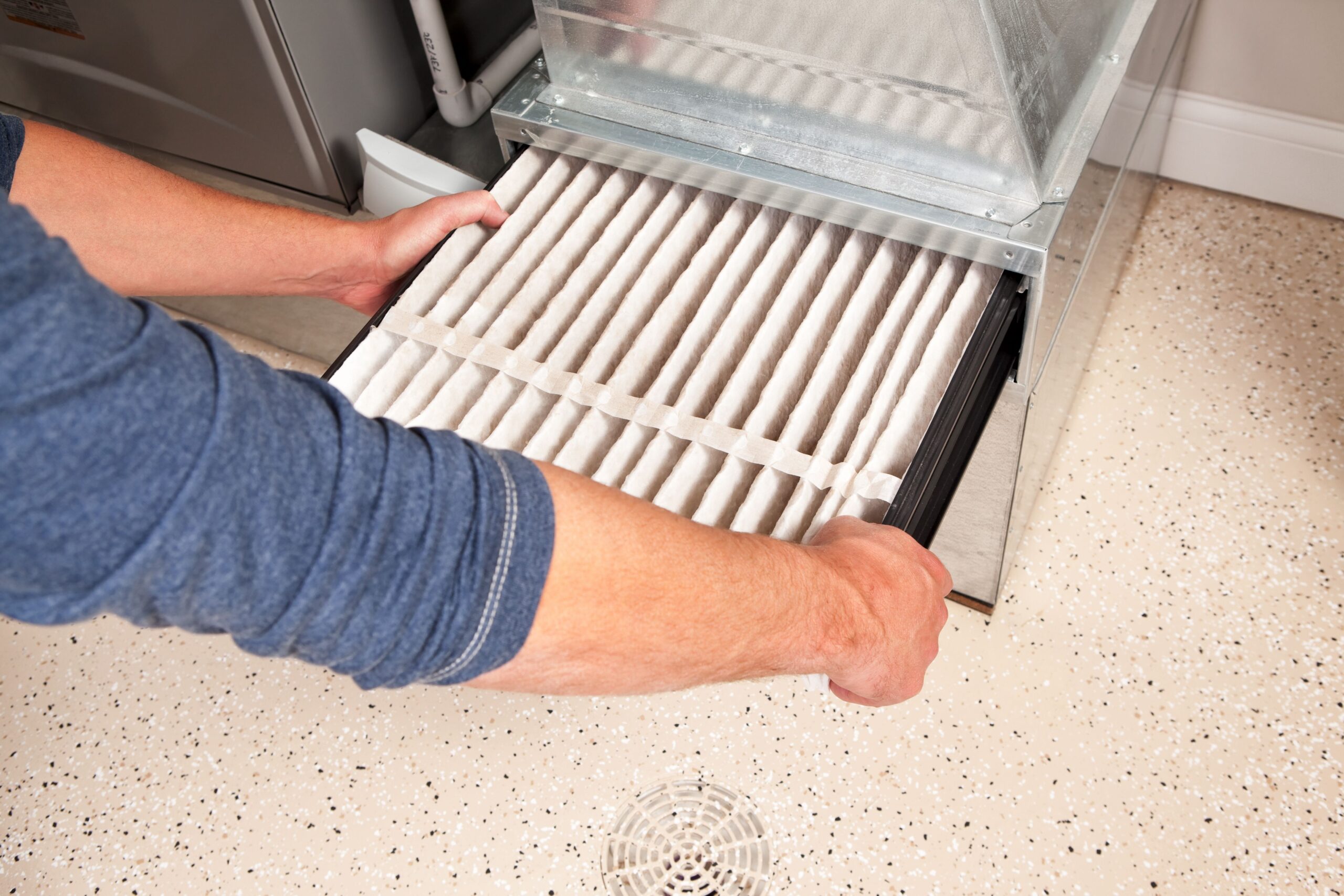
Checking an HVAC filter is relatively easy, making it a job that just about any homeowner could handle on their own. You can typically find the HVAC filter in a dedicated slot or compartment in your furnace or air handler unit where the ductwork connects to the main system. Have a spare filter on hand to replace the old one, especially if it has not been changed all winter.
“Pull the filter out—it looks like a thin piece of cardboard with a filter in the center. Hold it up to the light. If you can’t see light through it, you definitely need to replace it. Even if you can see light, people with pets or allergies should put a new one in each month,” says David Lewis, owner of Mission AC and Plumbing. “There are arrows on the new filter to show you which way to slide it back in.”
Signs It’s Time for HVAC Maintenance
HVAC maintenance should be carried out regularly on a standard schedule. “It is recommended that systems get biannually serviced every six months by the manufacturer to maintain warranties of the equipment,” notes DeSantis. However, if you don’t currently have a set schedule, there are several signs to watch for that could indicate your HVAC system needs maintenance.
- A sudden, unexplained increase in utility bills. This suggests the system is working harder than necessary.
- Poor air circulation. Clogged filters, ductwork issues, or a failing motor can cause this issue.
- Grinding, banging, clanging, or squealing sounds. These noises suggest mechanical failure, such as loose parts or failing bearings.
- Some rooms are freezing while others are hot. This indicates the system is struggling with distribution or capacity.
- The system turns on and off frequently. Beware of this, as it is likely causing excessive wear and tear.
- Musty, smoky, or burning smells. If you notice these scents coming from vents, it likely indicates mold, electrical issues, or damaged components.
- Stale or humid air. The air conditioner is likely not properly dehumidifying.
- Rust, corrosion, or moisture. If you notice these around the unit, it indicates potential refrigerant or drain line issues.
When to DIY and When to Call a Pro
There are several aspects of HVAC maintenance that a DIYer with knowledge of their system can handle, such as checking and replacing the air filter. However, there are also more complex aspects of it that should be inspected, maintained, and repaired only by a trained HVAC professional.
“Any homeowner can change the filter or keep the vents clear. You can clear the area around the unit, removing branches and leaves. But if you need help with coils or refrigerant or drainage, that’s when a technician needs to help you out,” says Lewis. Additionally, any major problems or repairs should be conducted by a trained pro, and at least once per year, you should have the entire system inspected and given a tune-up by an HVAC technician.













Leave a Reply