

:max_bytes(150000):strip_icc():format(jpeg)/davidtsay241112.BHG.SanDiego.0143final_preview-52c0e37d44534f3fb411e3005eae7ed1.png)
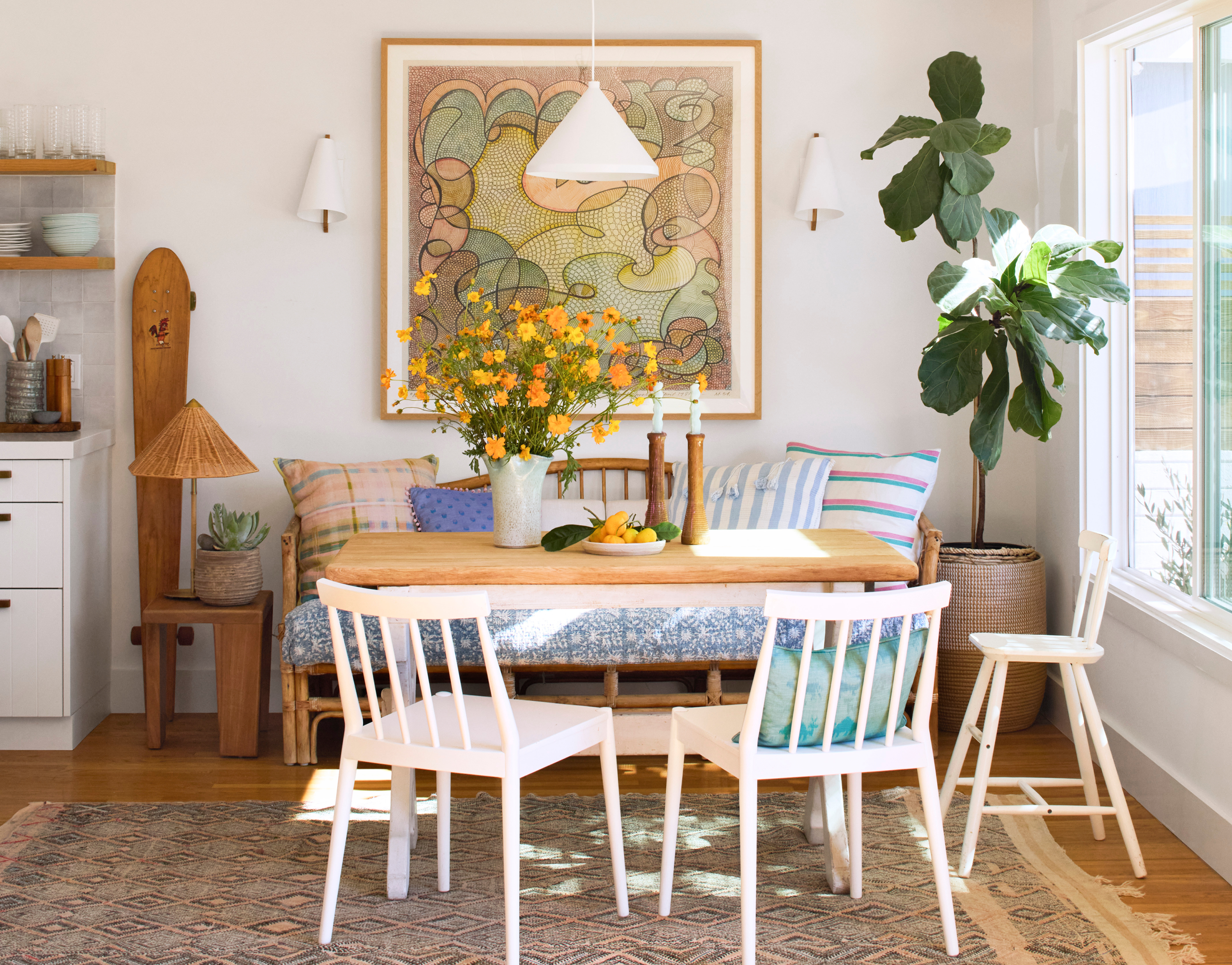
Never underestimate the power of good lighting; it can transform a space with the flip of a switch. “Lighting isn’t just about style or a finish—it sets the tone for a space and directly affects how it makes you feel,” says Julee Ireland, an architectural interior and product designer. “It’s the jewelry of your home.”
With this idea in mind, it’s easy to see why making the wrong lighting move can spell disaster for the aesthetic you’re aiming to create. “Even the most beautiful space can fall flat if the lighting isn’t right, which is why intentional lighting choices are one of the simplest ways to support health, wellness, and create timeless design,” says Ireland.
To help you avoid common lighting pitfalls and create a space that shines, Ireland and Dan Mazzarini, founder and principal of New York-based design firm Mazzarini & Co., share the lighting styles you should avoid and what to replace them with. With these simple swaps, you can maximize the benefits of this MVP design element.
- Julee Ireland is an architectural interior and product designer, as well as the founder of Home Renovation School, an online design and renovation course.
- Dan Mazzarini is the founder and principal of New York-based design firm Mazzarini & Co.
1. Standard Round Recessed Lights
“The 4-inch round recessed can lights have become about as passé as it gets,” Mazzarini says. While recessed lights used to be considered a luxury, it now feels rather generic. “We’re moving away from uniform downlighting and prioritizing more layered, indirect light sources,” he says. This might look like picture lights, recessed coves, or lamps outfitted with shades.
If you’re already committed to recessed lighting, add dimmers to create a more personalized experience. Installing battery-operated picture lights can provide indirect light, add depth, and highlight focal-point pieces like art without requiring an electrician’s visit.
2. Matchy-Matchy Lighting
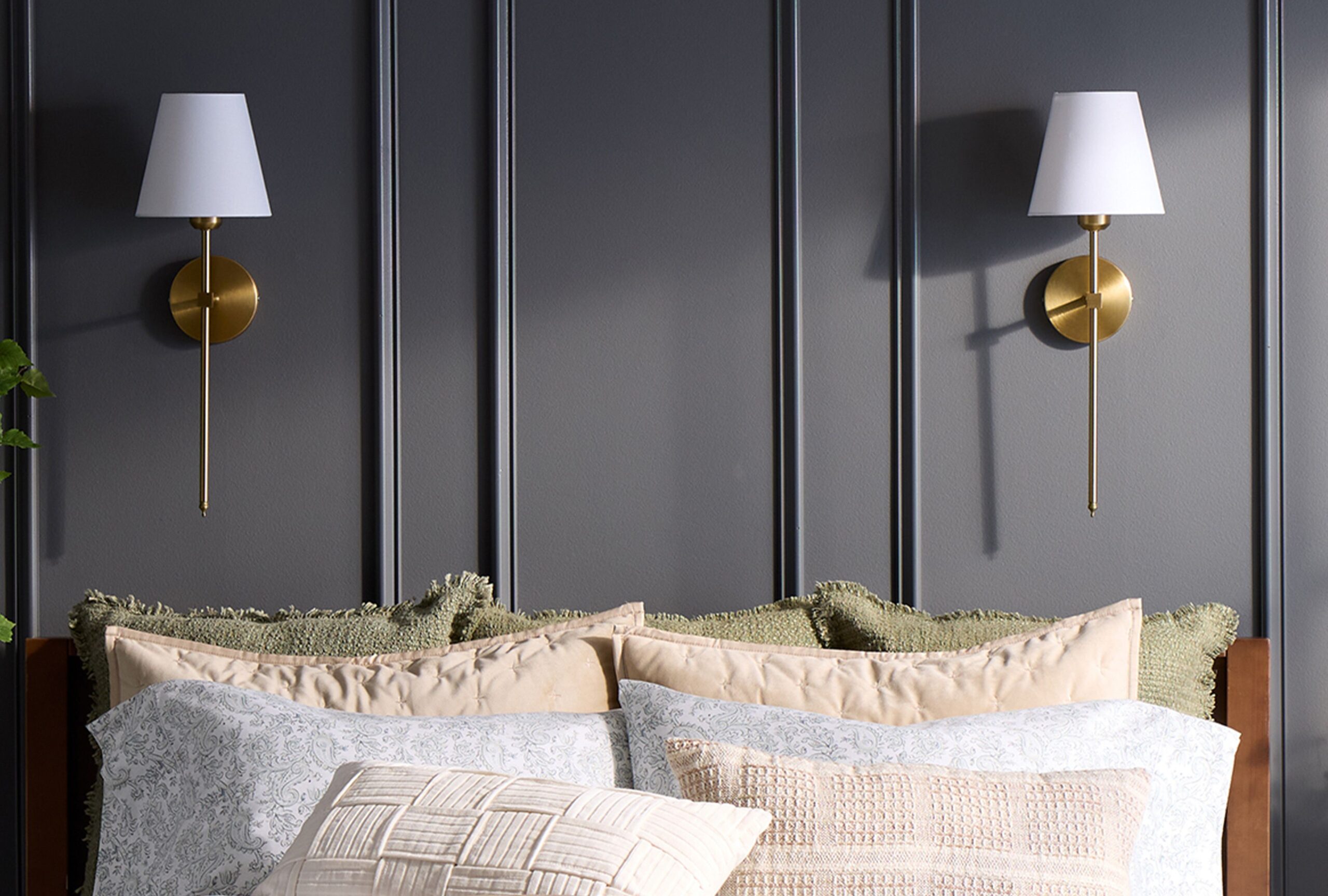
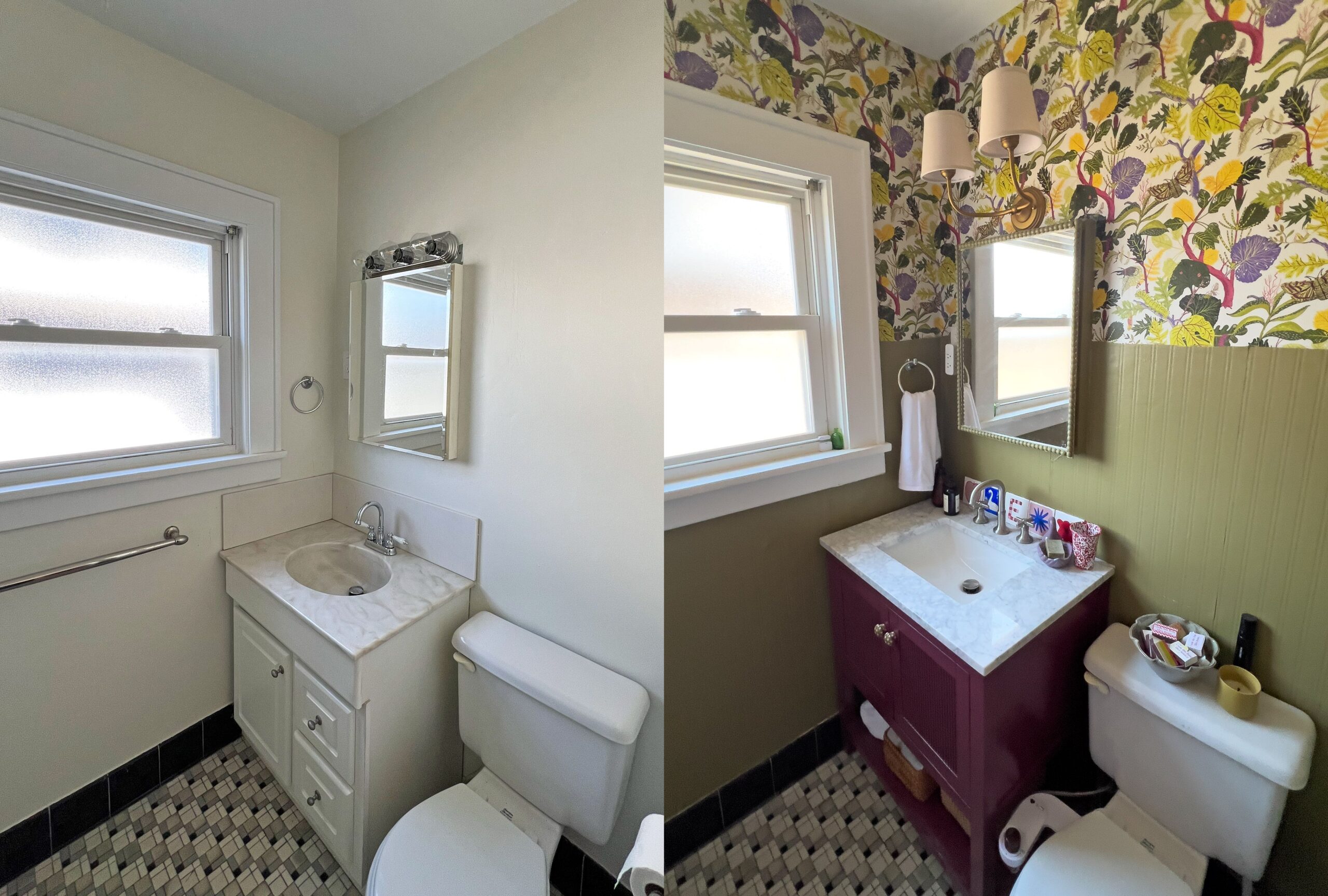
Ireland says it’s time to ditch your matchy-matchy lighting and, instead, lean into mixed finishes and varying metals. “A curated mix of finishes creates a more layered, collected, and intentional look,” she says.
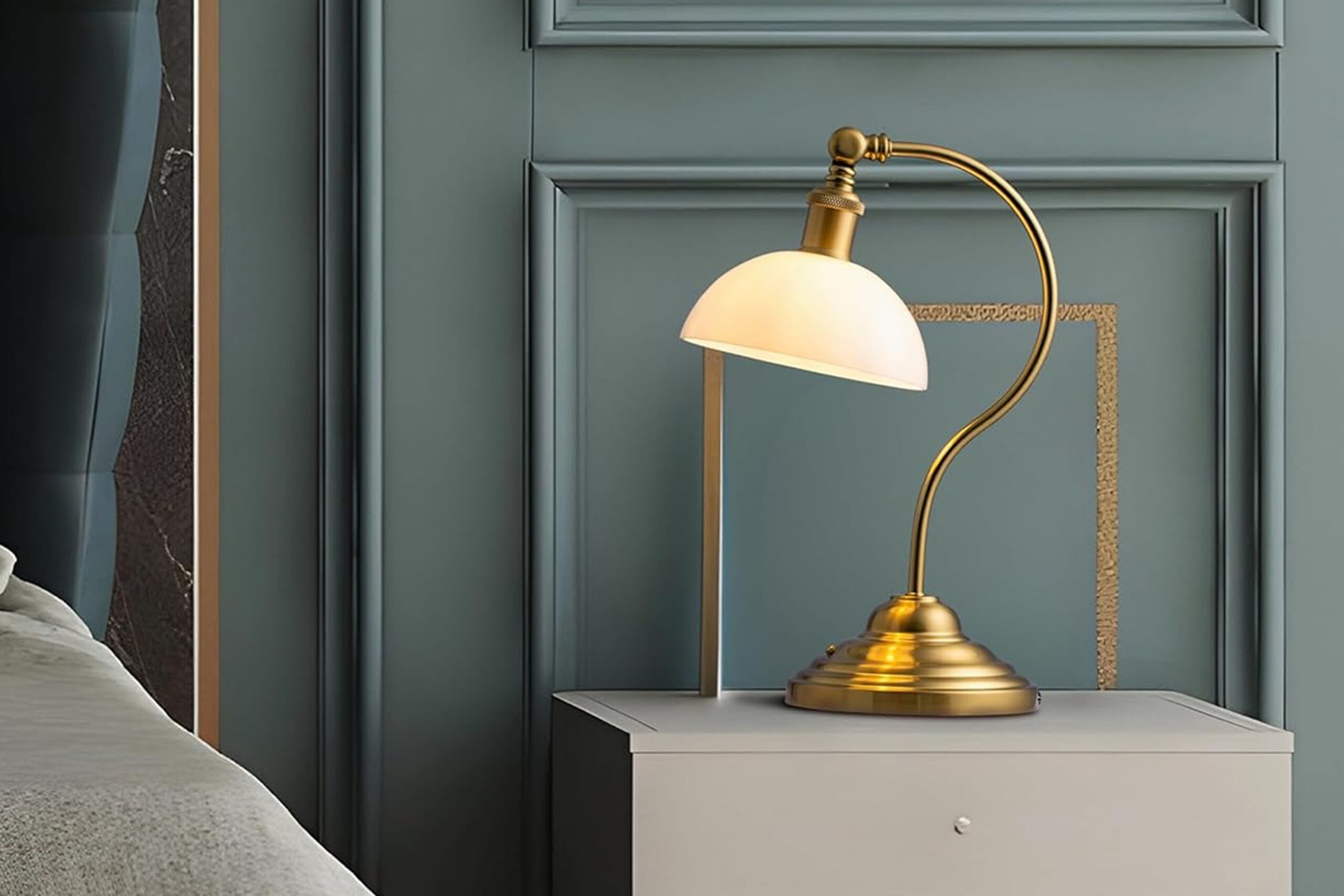
Consider playing with sconces, table lamps, and overhead lights. Choose a variety of finishes you naturally gravitate toward, such as antique brass, polished nickel, matte black, etc. Mixing and matching these finishes throughout your home’s lighting story can create a truly unique and collected look. “It’s more personality-driven, treating each space as its own, and moving away from cookie-cutter moments,” says Ireland.
3. Cool Tones
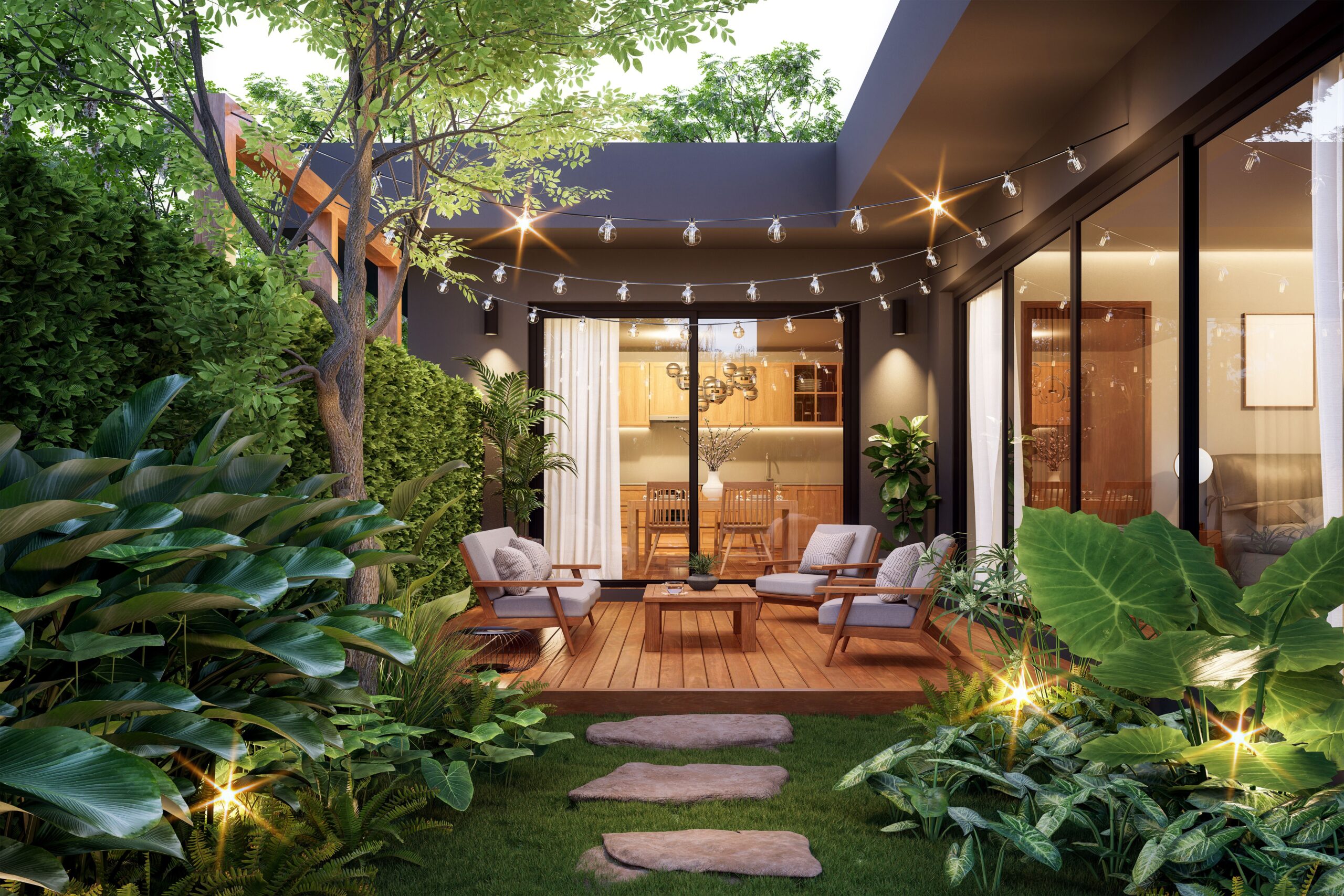
“Warmer, softer lighting creates tones that feel more aligned with nature and spaces where we simply feel better,” says Ireland. Luckily, this is one area where you can make a few simple swaps that result in a total transformation in minutes. Mazzarini suggests starting by warming your bulb to 2700K wherever possible.
Next, look for ways to dress up those bare bulbs that were so popular in the past decade by installing clip-on shades. “Lighting should soften a space, not overwhelm it,” says Ireland. With these techniques, you can create a calm and inviting space in a flash.
4. Mass-Market Fixtures
“Design is moving away from trend-driven lighting and toward sculptural, artisan pieces that feel personal,” Ireland says. Lighting isn’t strictly functional anymore. Instead, the designer says it’s being used as art that reflects the individuality of the people who live in the space.
Start by swapping out your fixtures one by one as you find lighting that speaks to you. Whether it’s a large, antique pendant, a funky sconce from a garage sale, or a pair of hand-me-down buffet lamps that you’ve admired for years, let your lighting be as unique as you are and build upon the aesthetic that you’re aiming for in your space.
5. One-Level Lighting
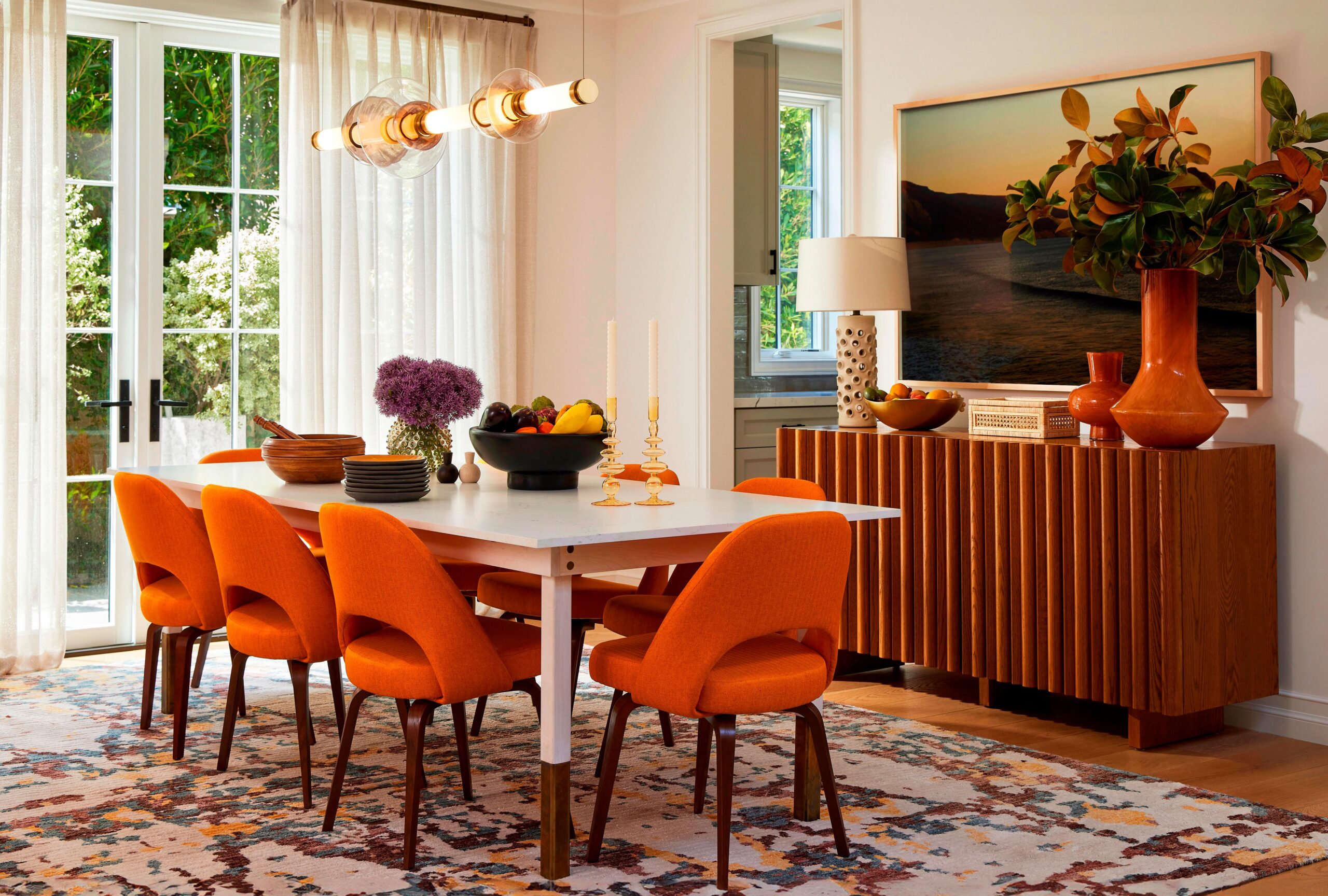
Ireland says we’re continuing to create a more layered lighting experience by ditching the one-focal-point fixture and instead looking to a blueprint that uses a combination of accent, ambient, and task lighting. ”When it comes to lighting, the more layers the better,” she says. “Layered lighting creates depth, brings finishes, fabrics, and textures to life, and adds comfort and flexibility so each space in your home can function beautifully throughout the day and night.”






Leave a Reply