

:max_bytes(150000):strip_icc():format(jpeg)/bhg-renovated-neutral-bathroom_8zjuKwd4asDAAZOC6gADnl-97fd76eca8924713bbab9c11b17f6172.jpg)
Key Takeaways
- Choose the right bathtub depending on your family’s needs, available sizes, and bathroom space.
- Select between standard and custom tubs and know whether the tub will be used for soaking, kids, or quick showers.
- Take any accessibility needs (wheelchair access, grab bars, or low entry) into consideration when choosing a new tub.
When planning a bathroom upgrade or custom-building a new home, many people are surprised by the options available for a tub. It is easy to be impressed by designer faucet features and stylish sink finishes, but tubs don’t seem to require much consideration. Think again. There are many styles and types to choose from, but comfort often depends on size.
A tub that’s too small can be next to impossible to put to good use. An oversized tub can waste water or make stepping in and out a safety hazard. With so many options and regional differences in sizing, homeowners should do their homework before making a costly mistake. Choosing the right bathtub size involves balancing industry standards, your family’s personal needs, and the available space in your bathroom. Here are some questions to consider.
Marty Baldwin
1. Standard Bath Sizes
Standard bathtub sizes vary widely by location. In the United States and Canada, the most common tub type is the alcove tub. They are also called back-to-wall tubs because one side is mounted against a wall. These tubs typically measure about 60 inches long by 30-32 inches wide, and around 14-16 inches deep. However, each manufacturer varies, so you should confirm the dimensions, not just the design.
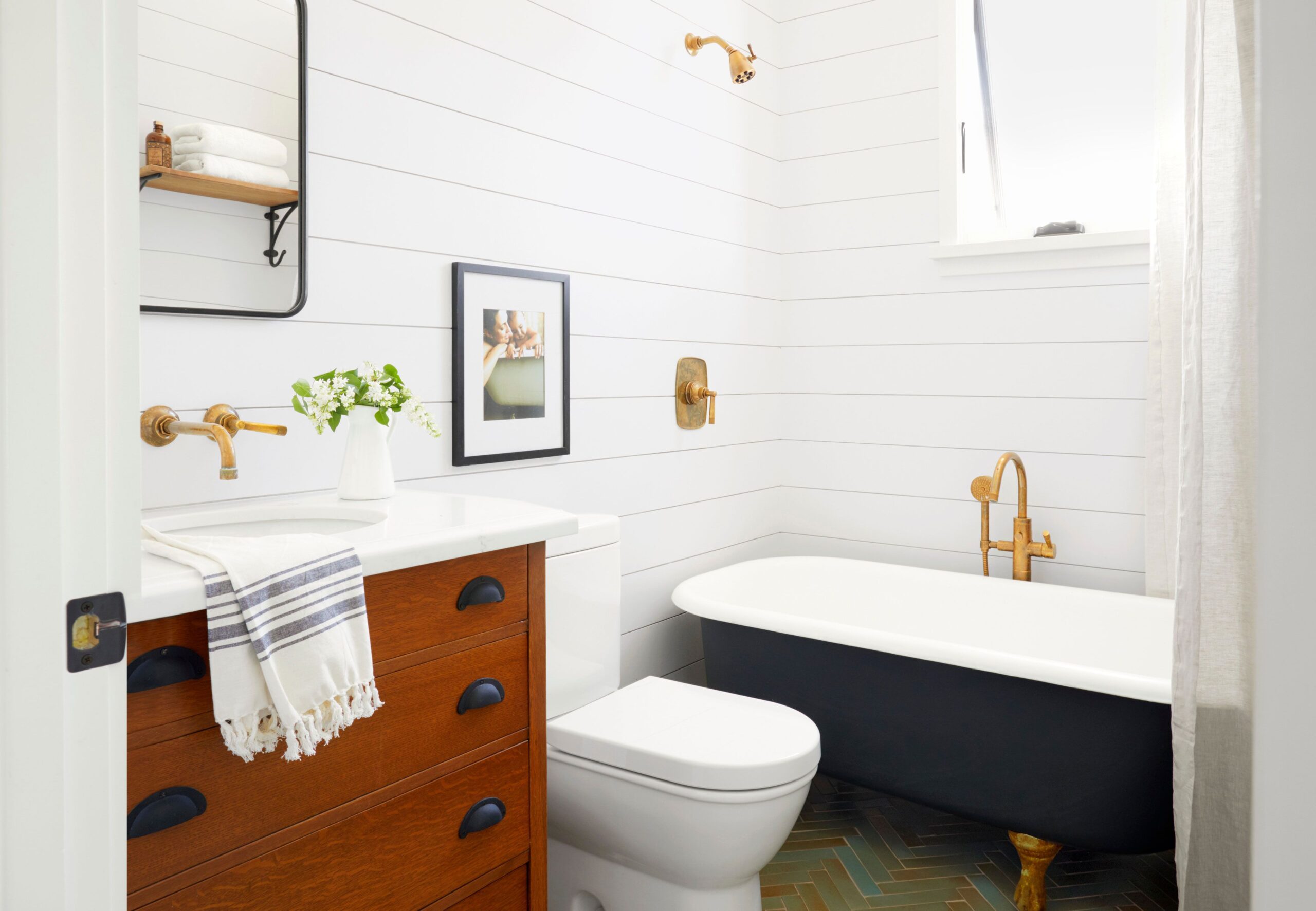
These typical tub dimensions provide space for a shower combination, but not all tubs are meant to be used with a shower. Some vintage or luxury tubs are freestanding or soaking tubs. They may range from 66 -72 inches in length, but they tend to be much deeper than a standard tub. They may also feel wider, simply because they are spaced a bit away from the wall and usually have some floor space on all sides.
What’s standard in one place is extraordinary in another. In Europe, where bathrooms are often more compact, tubs in modern homes tend to be about 5-10 inches shorter than in the U.S. However, heritage buildings around the world may feature bathtubs custom-made to fit the space, the plumbing of the time, and the common height of the original owners. These regional differences and the age of the tub may influence the size of the tub you find in your existing home, as well as the styles you might find on the market that best suit your space and tastes.
2. Custom Tub Considerations
A custom tub is not necessary for most homes today, but certain factors can make it a smart decision. One of the biggest considerations to consider is the height and build as well as the ability levels of the people who will be using it.
A standard-sized bathtub may not comfortably fit someone over six feet tall with long legs. If people in your home enjoy a soaking tub for relaxation, rehabilitation, or other purposes, newer models with a reclining backrest can make a world of difference for users who prioritize comfort. The layout and size of the bathroom also play a key role in deciding if custom is the right choice. Narrow bathrooms, round or unusual plumbing configurations may require nonstandard shower and tub configurations.
A custom tub is just that, fully customized. The materials can be selected from acrylic to cast iron, based on your flooring and style preference. For sizing, going custom can also maximize angles, accommodate historic walls, or work with low- or high-clearance ceilings. If the space is challenging, then a pre-manufactured model may not work. Remember, door frames matter too. If you can’t fit a new tub into the bathroom, you may need to modify or reglaze the existing tub rather than installing a new one.
3. Determining Tub Depth
Sizing a tub isn’t just about measurements and layout. It is critical to consider who will actually use the bathtub. A family with young children might prioritize a tub with lower sides, making it easier for kids to climb in safely and for adults to lean over comfortably while giving baths. That same tub wouldn’t be appropriate for an athlete or someone who uses the tub for muscle recovery. In those cases, a longer, deeper soaking tub is recommended to fully submerge the limbs and relax them.
However, for aging adults or people with disabilities, taller tub walls or deeper tub beds can pose safety challenges. In such cases, a tub with a lower step-in height or built-in seating can be key to safety and long-term use. In both cases, tub sizes will differ from those of a traditional alcove tub. The height of a tub’s edges can significantly affect day-to-day comfort and ultimately determine how often the tub is used for its intended purpose.
Adam Albright
4. Accessibility Features to Review
Families may find it hard to choose a tub that suits everyone. After all, some people raise children and grow old in the same home and the same tub. However, some life conditions require added support for bathing, which may affect the optimal size of your modern bathtub.
Walk-in tubs, for example, are designed with a built-in seat and a watertight door, allowing users to enter without stepping over a high edge. These tubs are around 38-47 inches high, a bit taller than standard models. There are also slide-in wheelchair models with space for grab bars. In many cases, accessibility features don’t have to affect tub size, but some configurations and layouts offer more flexibility than others. If accessibility is a concern, it’s worth consulting a specialist to find a bathtub that can meet current and future needs.
5. Evaluate If the Tub Is for Soaking, Showering, or Both
If the tub will be used for quick shower rinses, a shallower alcove model with a shower enclosure may be the most efficient option, particularly in apartments that need a snug fit. However, if the tub is intended for therapeutic soaks, then size and depth are key.
A deep, freestanding or round Japanese-style soaking tub may add luxury or efficiency for people committed to daily dunks. These typically offer water depths of 18 inches or more and prioritize comfort. Whirlpool or jetted tubs for hydrotherapy are also normally larger to accommodate bubbling and pressure. Households that want this long-term functionality have to plan the space to accommodate it.
In the end, choosing the right bathtub size is a lot about form and function. Assess who will use it, how often, and for what purpose, and remember to try out tubs in the storeroom before committing to your forever tub sight unseen.





Leave a Reply